African Development Bank Approves $100 Million Loan for Sustainable Infrastructure
The African Development Bank Group (AfDB) has made a significant move in advancing sustainable infrastructure across Africa and Asia by approving a US$100 million loan to the Emerging Africa and Asia Infrastructure Fund (EAAIF). This strategic investment aims to bolster the fund’s efforts in mobilizing additional private capital for transformative projects in renewable energy, digital connectivity, transport, and other critical sectors. The initiative stands as a testament to AfDB’s long-term commitment to fostering inclusive growth and climate resilience in emerging markets.
Scaling Infrastructure with Private Investment

Pexels
The EAAIF, managed by Ninety One – a firm under the Private Infrastructure Development Group (PIDG) framework – plays a crucial role in addressing the finance gap for infrastructure development in underserved regions. The newly approved loan is part of EAAIF’s broader financial strategy to raise US$300 million in long-term debt by 2025. By doing so, the fund plans to deploy over US$850 million in Africa and Asia by 2027, creating robust infrastructure that supports economic development while fostering environmental sustainability.
According to Mike Salawou, AfDB Director of Infrastructure and Urban Development, the partnership is designed to “unlock long-term financing for critical projects that power economies, create jobs and improve lives.” Such reliable financing can help draw in private investors, enabling more high-impact development projects. The collaboration underscores the essential link between public institutions like AfDB and private capital in delivering meaningful socioeconomic outcomes in emerging regions.
Driving Renewable Energy and Digital Transformation
Pexels
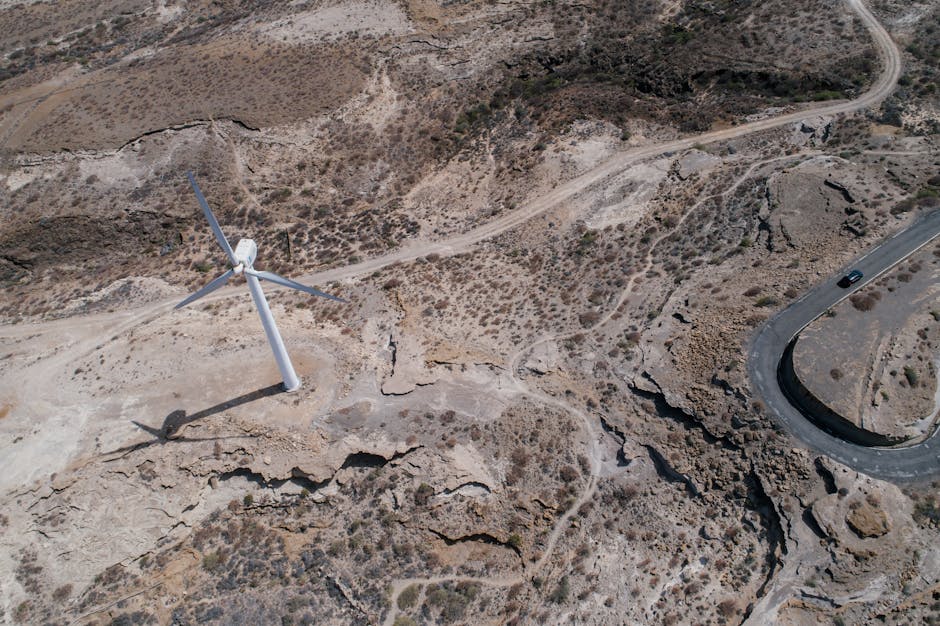
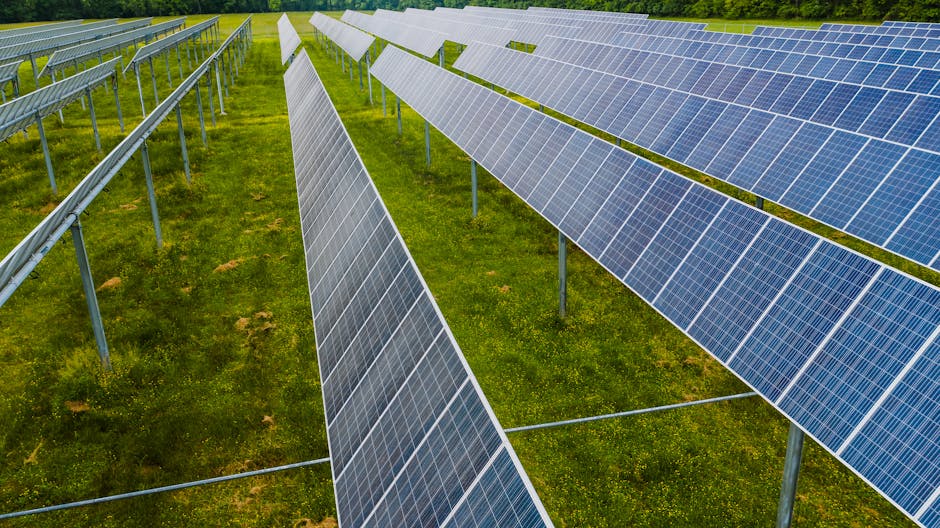
The focus of the funding lies heavily on sectors that promote a sustainable and inclusive future. Renewable energy projects funded by EAAIF aim to reduce dependency on fossil fuels and advance clean energy solutions, which are crucial for combating climate change. Additionally, investments in digital connectivity will bridge the digital divide, providing greater access to technologies that empower businesses, education systems, and healthcare services. Improved transportation infrastructure will also enhance trade opportunities, regional collaboration, and daily quality of life in many underserved communities.
Sumit Kanodia, Director at Ninety One, emphasized the impact of the funding, stating that it will help scale projects that “drive inclusive growth, create jobs, and build climate resilience across the region.” By tackling key bottlenecks in infrastructure funding, this initiative supports long-term, sustainable economic development while benefitting millions across Africa and Asia.
Strengthening AfDB’s Legacy in Development
Pexels
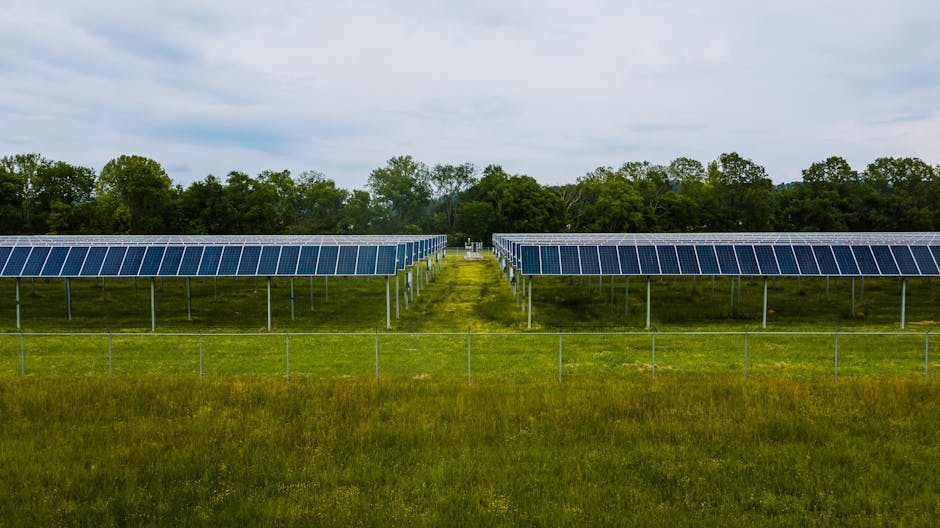
This latest loan marks the fourth such investment that the African Development Bank has provided to EAAIF, reinforcing its commitment to impactful partnerships. By channeling funds into projects with measurable social and environmental outcomes, AfDB is maintaining its role as a leader in infrastructure development. The collaboration with EAAIF sets a benchmark for public-private partnerships, showing how joint efforts can effectively address critical developmental challenges.
As the global focus shifts toward sustainability and inclusive growth, initiatives like this illustrate how targeted financial support can yield multifaceted benefits. Beyond creating jobs and improving lives, these projects also contribute significant value to building climate resilience and closing infrastructural gaps in regions where it is most needed.