Nokia and NVIDIA Forge Partnership to Revolutionize AI-Powered RAN Networks
Nokia has announced a strategic partnership with NVIDIA to stabilize its declining Radio Access Network (RAN) revenue share and pioneer the next-generation evolution of AI-powered mobile networks. This collaboration focuses on embedding AI and machine learning directly into RAN software and compute platforms, offering wireless network operators significant enhancements in performance, power efficiency, and total cost of ownership (TCO). With this initiative, Nokia aims to unlock new opportunities in 5G-Advanced and 6G networks, effectively addressing key network operator concerns while positioning itself as a leader in AI-native telecom solutions.
NVIDIA’s Critical Role in Nokia’s Future
Pexels
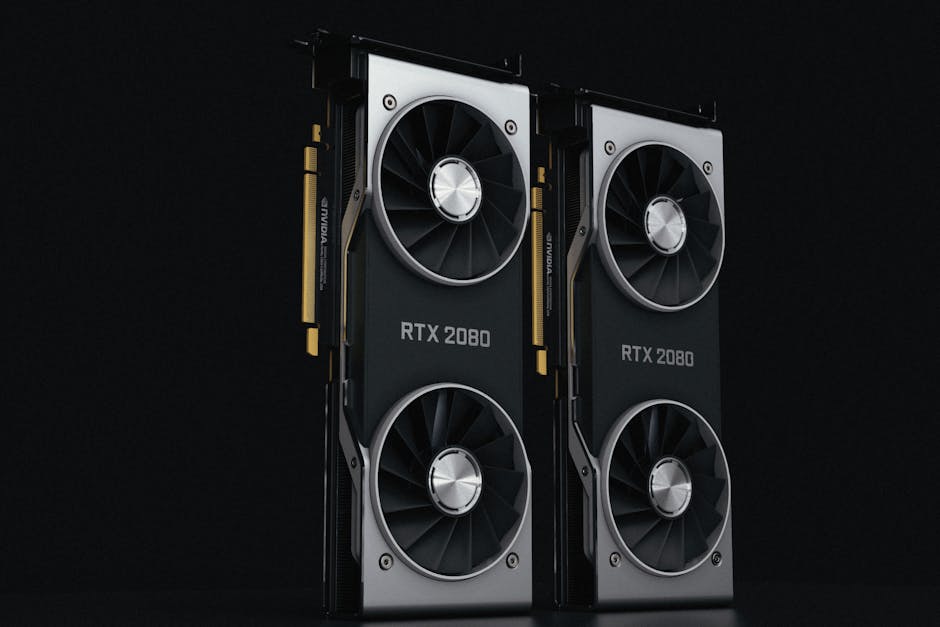
The $1 billion investment by NVIDIA into Nokia establishes a robust platform to integrate NVIDIA’s cutting-edge GPUs into Nokia’s RAN portfolio by 2027, with trials expected to begin as early as 2026. These GPUs will power an AI-RAN architecture that transforms traditional RAN designs into dynamic AI grids, enabling real-time optimization of network operations. This marks a significant shift for NVIDIA, as the company adopts a pragmatic approach by targeting parity with existing RAN infrastructure on performance, cost, and power efficiency metrics. This tactical strategy ensures a justifiable return on investment (ROI) for operators, treating AI functionalities as value-added options rather than mandatory features.
The potential impact of this collaboration is immense. Nokia and NVIDIA envision telecom networks evolving from basic connectivity solutions into distributed computing fabrics that underpin future technologies like autonomous vehicles, industrial digital twins, and humanoid systems. By leveraging GPUs to drive latency-sensitive and bandwidth-intensive AI workloads at the network edge, this partnership sets the stage for the widespread deployment of transformative use cases.
Key Deployment Strategies and Industry Implications
Pexels
Nokia’s approach to integrating NVIDIA GPUs into its AirScale RAN portfolio revolves around three progressive deployment models: purpose-built Distributed RAN (D-RAN), virtualized RAN (vRAN), and Cloud RAN (C-RAN). Each model is designed to minimize operational disruptions while maximizing the utility of existing network infrastructure. The initial phase will emphasize purpose-built D-RAN deployments, allowing operators to enhance capacity by inserting new GPU cards into existing AirScale slots. This incremental upgrade strategy aligns with network operators’ preference for cost-efficient, site-level enhancements to their infrastructure.
As the technology evolves, Nokia expects GPU-enabled AI-RAN solutions to gradually capture approximately one-third of the $30 billion RAN market by 2029. This trajectory represents a pivotal shift towards AI-integrated telecom infrastructure. However, the adoption rate of advanced architectures like Cloud RAN and multi-tenant RAN remains dependent on operators’ architecture and commercial preferences. Nokia aims to stay competitive by leveraging faster innovation cycles and software differentiation, supported by this groundbreaking partnership with NVIDIA.
The Road Ahead for AI-Native 6G Networks
Pexels
Nokia’s long-term strategy centers on stabilizing its RAN share and transforming into a leader in AI-native 6G networks. The partnership with NVIDIA offers a promising path forward in key markets, including North America, Europe, India, and select Asia-Pacific regions. Early indicators suggest that Nokia’s efforts are beginning to pay off, as evidenced by slight improvements in its RAN revenue share outside North America in 2025 compared to 2024.
The success of this partnership hinges on both Nokia’s ability to scale its GPU-based RAN deployments and NVIDIA’s capacity to deliver carrier-grade economics and reliability for its GPUs. If successful, this collaboration could redefine the telecom industry’s approach to mobile network design, placing a stronger emphasis on AI-led innovation while addressing operators’ cost and performance concerns. With the global telecom market poised for a 6G revolution, Nokia and NVIDIA stand at the forefront of shaping the future of wireless connectivity.