Europe Commits to Advanced Satellite Connectivity Amid Global Challenges
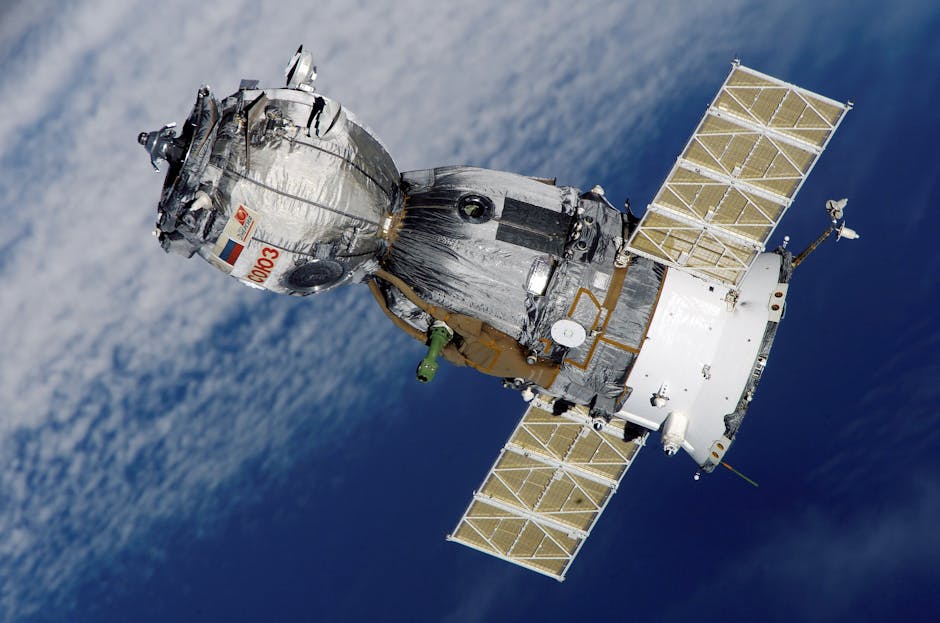
In an era characterized by unprecedented technological advancements and geopolitical shifts, Europe is reaffirming its commitment to secure and advanced satellite communications. During the European Space Agency’s (ESA) Council meeting at Ministerial Level in Bremen, Germany, critical decisions were made to strengthen Europe’s innovation, resilience, and leadership in the satellite telecommunication sector. This milestone will not only shape Europe’s capabilities but also extend support to small and large companies across Europe and Canada, enabling them to compete on the global stage.
Driving Innovation Through the ARTES Programme
Pexels
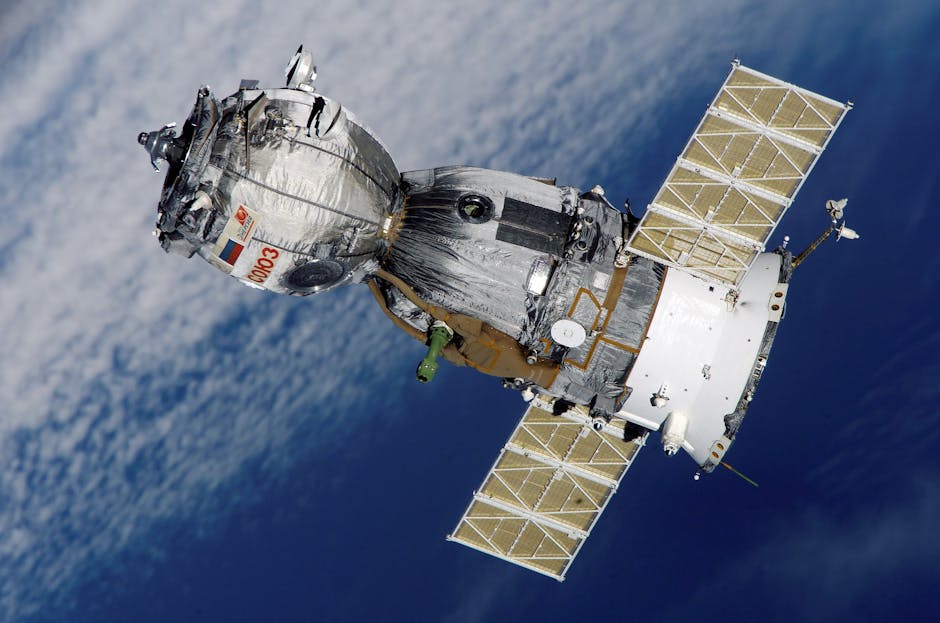
The cornerstone of ESA’s plan to bolster satellite connectivity lies in its Advanced Research in Telecommunications Systems (ARTES) programme. This initiative turns groundbreaking technological concepts into robust products, systems, and services, empowering European and Canadian industries to tackle market and security challenges effectively. By mitigating the risks associated with innovation, ARTES has successfully introduced companies to the satellite communication market, fostering a landscape where ideas flourish into reality.
From revolutionary advancements in optical and quantum communications to space-based 5G applications, ESA has been at the forefront of transforming the telecommunications landscape. Innovative projects such as HummingSat and Novacom, along with the mission-critical HydRON initiative, aim to create a true ‘internet of space.’ These developments are poised to enhance Europe’s independence and resilience in the rapidly expanding GEO market while laying the foundation for global leadership in satellite communications.
Secure Connectivity for a Sustainable Future
Pexels
Secure communications remain a core focus for ESA, and this year’s subscription aims to expand transformative technologies like Quantum Key Distribution (QKD). Through projects such as SAGA, Eagle-1, Eagle neXt, and QKDSat, ESA seeks to lead the next generation of secure connectivity, ensuring cybersecurity across aviation, maritime operations, and critical infrastructure. Furthermore, ESA is pioneering efforts to achieve seamless integration of terrestrial and satellite networks for 5G connectivity, aligning with Europe’s growing participation in the direct-to-device revolution.
These advancements also extend to the fields of aviation and environmental sustainability. ESA’s Iris Global project promises to revolutionize air traffic management by making it greener, safer, and more efficient. In addition, the allocation of space capabilities will be instrumental in safeguarding the radio-frequency spectrum from harmful interference, further underlining Europe’s proactive stance in technological development.
The Evolution of IRIS2 and Beyond

Pexels
The European Union’s IRIS2 initiative is a centerpiece of ESA’s vision for secure and resilient communications services. This flagship space program aims to develop a multi-orbital satellite constellation led by the SpaceRISE industrial consortium. Designed to act as the backbone of the European Resilience from Space initiative, IRIS2 will integrate Earth Observation and Navigation, providing real-time critical solutions for emergencies and enhancing operational efficiency for European citizens and governments alike.
Moreover, ESA’s Moonlight program continues to prepare Europe for leadership in lunar communication and navigation. This ambitious initiative seeks to extend infrastructure beyond Earth by enabling hundreds of planned lunar missions to explore and sustain activities on the Moon. With this year’s subscription, Moonlight is set to position Europe as a first mover in interplanetary connectivity, bridging the gap between Earth and the lunar surface and solidifying Europe’s reputation as a global innovator.
Shaping the Future of European Connectivity

Pexels
Laurent Jaffart, ESA’s Director of Connectivity and Secure Communications, emphasized the importance of these initiatives during the CM25 meeting. With a budget exceeding €2 billion, ESA’s vision is to connect everyone, everything, everywhere, and at all times. By collaborating with member states and partners, ESA aims to further Europe’s competitiveness, leadership, and autonomy in a rapidly evolving global communications ecosystem. As global challenges intensify, the push for faster, more reliable, and secure connectivity underscores Europe’s determination to lead in satellite innovation and ensure a sustainable future for its citizens.