The Critical Role of Telecom Data in Modern Urban Planning
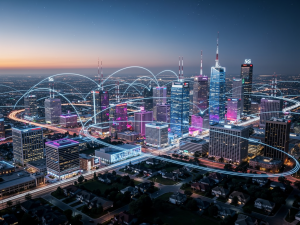
Urban planning has transformed drastically in recent years, thanks to advancements in telecommunications infrastructure, geospatial data, and digital twin technology. Cities no longer simply involve zoning and physical infrastructure; today, planning also integrates robust digital networks, including broadband, 5G, and IoT systems. As urban spaces grow more complex, decision-makers face challenges like climate resilience, sustainable design, and ensuring digital inclusion. GeoTel, a leader in telecommunications infrastructure data and geospatial solutions, plays an integral role in addressing these challenges by providing the data tools necessary for smarter urban development.
The Shift Towards Data-Driven Urban Planning

Pexels
Traditional urban planning largely focused on physical infrastructure such as roads, water, and energy systems. However, the digital era demands a more interconnected approach to accommodate innovations like remote work, smart city applications, and sustainable urban living. GeoTel’s comprehensive telecom datasets—which include fiber routes, lit buildings, cell towers, and central offices—enable urban planners to integrate telecom infrastructure seamlessly with roads, utilities, and environmental systems. This is essential for building neighborhoods that meet both present and future connectivity demands.
A standout example of this integration is the Tampa Bay Regional Planning Council, which employs AR models to illustrate climate-resilient infrastructure in an engaging and transparent manner. These visualizations are not only tools for public awareness but also frameworks for integrating GeoTel’s telecom data to highlight network connectivity as a cornerstone of urban resilience and citizen engagement.
The Role of GeoTel in Shaping Smarter Cities

Pexels
GeoTel’s TeleTracker platform allows planners to layer telecom data alongside other critical infrastructure elements like transit, utility lines, and flood-risk areas. This spatial layering is vital for creating urban digital twins—data-driven models that simulate the behavior of infrastructure networks in tandem with environmental and social factors. Most existing digital twins overlook key telecom connectivity layers, but including data such as fiber routes and broadband nodes can enable more dynamic and inclusive urban models.
GeoTel also focuses on ensuring redundancy and resilience within urban telecom networks. Planners can leverage these data insights to avoid future connectivity issues, better coordinate utility upgrades, and optimize broadband rollouts. For instance, its tools have been instrumental in planning projects under programs like the $10.5 billion GRIP initiative, ensuring precise, data-driven infrastructure investments.
Achieving Sustainability and Engagement Through Connectivity

Pexels
Modern urban planning cannot succeed without a focus on sustainability and resilience. GeoTel’s tools allow planners to strategically incorporate connectivity into low-carbon solutions and disaster-resilient neighborhoods. Fiber backhaul placement, broadband node distribution, and edge computing centers are some of the critical components highlighted through GeoTel’s datasets, ensuring communities are prepared for IoT demands, climate risks, and digital equality.
Another significant trend in the field is the use of immersive visualizations like GIS, AR, and VR to engage stakeholders and citizens. By incorporating telecom data into these visualizations, GeoTel helps showcase future connectivity plans, such as fiber deployments and smart city sensor networks, fostering public trust and inclusivity in decision-making processes.
Takeaway: Treat Connectivity as a Core Urban Planning Layer

Pexels
Urban planning today is far more complex than it was in the past. While traditional elements like zoning and roads remain fundamental, the inclusion of robust connectivity data has become equally important. GeoTel occupies a critical space in this evolving ecosystem by providing actionable telecom and GIS data that planners, developers, and policymakers can use to create smarter, more resilient, and better-connected cities.
As cities grow and technology continues to advance, ignoring telecom infrastructure will only lead to underserved and less adaptable urban spaces. By partnering with GeoTel, planners can bridge the gap between physical and digital infrastructure, ensuring sustainable growth and a higher quality of life for all residents. Whether you’re designing a new city block, upgrading infrastructure, or planning a smart city initiative, the question remains: where is your connectivity data?