The Growing Market of AI-Driven Semiconductors and Custom Chips
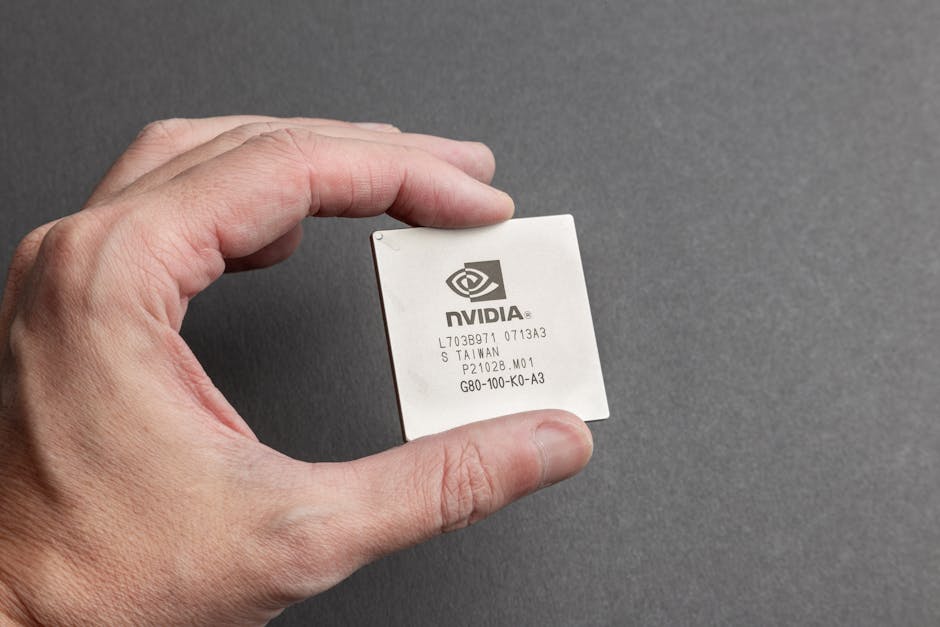
The global market for AI-related semiconductors is experiencing an unprecedented boom, fueled by the rapid adoption of artificial intelligence across industries. Analysts project that the revenue from AI-focused chips will grow at an annual rate of 18% over the coming years, more than five times faster than that of traditional semiconductor segments. By 2025, AI semiconductors are expected to account for nearly 20% of global chip demand, contributing $67 billion in revenue, with further expansion toward $165 billion by 2030. This market growth highlights the increasing reliance on specialized hardware to meet the performance and efficiency demands of advanced AI applications.
The Rise of Custom AI Chips
Pexels
Conventional computing hardware is no longer sufficient for the needs of today’s expansive AI systems such as Large Language Models (LLMs) and generative AI. Custom AI chips, designed to optimize neural network tasks like training and inference, are emerging as the solution to these challenges. These purpose-built processors include Application Specific Integrated Circuits (ASICs), Field-Programmable Gate Arrays (FPGAs), Neural Processing Units (NPUs), and Tensor Processing Units (TPUs). Compared to traditional CPUs and GPUs, these specialized chips offer significantly higher performance per watt, making them essential as AI workloads grow exponentially.
One notable development in this space is the partnership between OpenAI and Broadcom to create advanced custom silicon. In this multi-year, multi-billion-dollar deal, OpenAI is focused on designing cutting-edge hardware, while Broadcom handles the development of chips capable of embedding complex AI model capabilities directly into their architecture. This collaboration underscores the importance of custom silicon in scaling AI while improving efficiency and reducing costs.
Key Players and Innovations in the AI Chip Market

Pexels
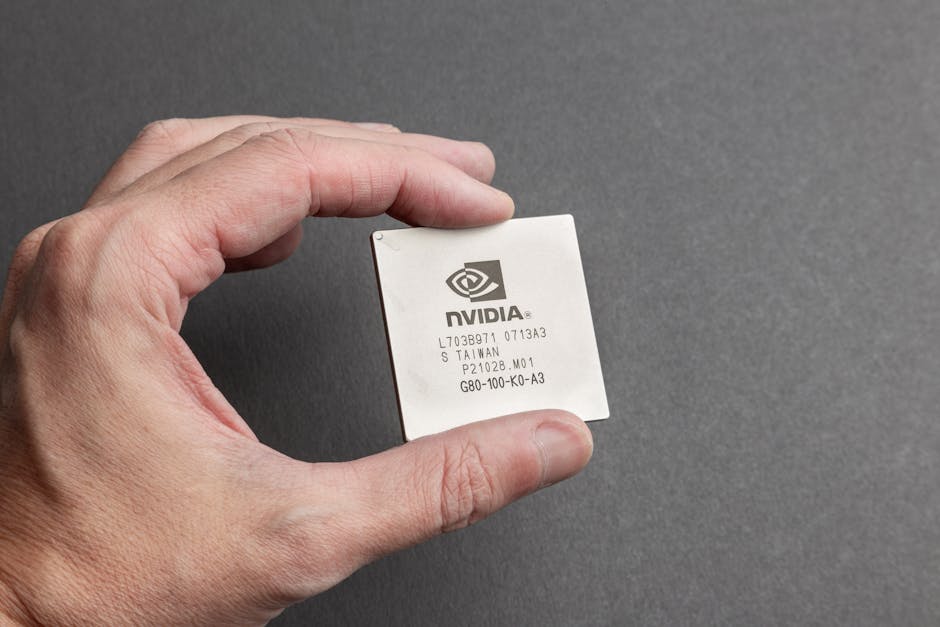
NVIDIA dominates the AI chip landscape, holding an impressive 80% to 92% market share, thanks to its highly popular GPUs and CUDA software ecosystem. NVIDIA’s continued leadership is attributed to its ability to support AI workloads on an unmatched scale. Competitors like AMD are also gaining traction, with products such as the MI300X targeting a growing slice of the AI chip market. AMD’s market share, which currently ranges between 4% and 7%, is expected to rise significantly as the demand for AI accelerators grows. Meanwhile, Intel remains a smaller player but is striving to expand its presence with its Gaudi 3 AI training platform, targeting an 8.7% market share by the end of 2025.
Big tech companies such as Google, Meta, Amazon, and Apple are also entering the custom silicon race. Google, for instance, has developed its 7th-generation Tensor Processing Unit (TPU), known as Ironwood. Designed to optimize large-scale AI workloads, Ironwood delivers up to four times the performance of its predecessor while enabling superpods of over 9,000 interconnected chips. This high-performance TPU is poised to challenge NVIDIA’s dominance, providing significant efficiency and scalability for generative AI applications across industries.
The Future of AI Hardware

Pexels
The development of custom AI chips represents a transformative shift in the semiconductor industry, as these specialized processors become essential for real-world AI deployment. From automation and robotics to healthcare and finance, AI-powered innovations rely heavily on the performance and efficiency of these chips. With advancements in hardware racing alongside AI software development, the importance of tailored silicon cannot be overstated.
As the demand for AI solutions continues to rise, the semiconductor industry stands at the forefront of a critical evolution. Companies investing in custom silicon are poised to drive the next wave of technological breakthroughs, solidifying the role of AI chips as the backbone of modern computing infrastructure. The future of technology, from autonomous systems to real-time decision-making tools, will be built on the capabilities of these groundbreaking processors.