The Telecom Revolution in 2026: AI, Digital Services, and Emerging Market Growth
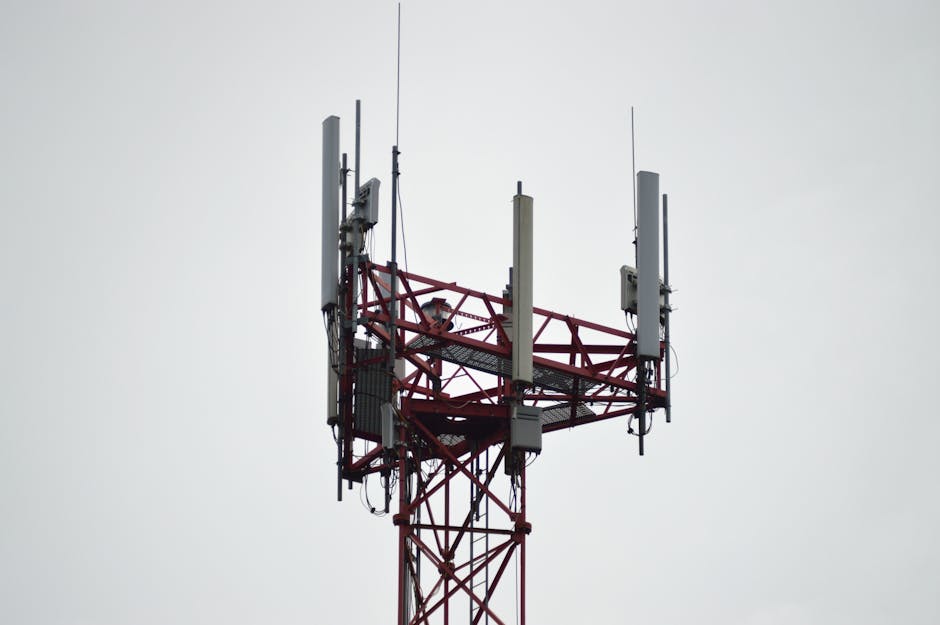
The telecommunications industry is entering a transformative era, with 2026 poised to become a milestone year driven by AI integration, digital service expansion, and growth in emerging markets. As communication service providers (CSPs) shift focus toward monetizing beyond connectivity, new strategies from top-tier operators highlight a significant evolution. The next few years will see the industry reimagine operations and services, unlocking unprecedented opportunities for revenue growth and customer satisfaction.
AI: The Driving Force Behind Telco Innovation
Pexels
The rise of AI has already begun redefining the telecom sector, moving from small proof-of-concept trials into wide-scale implementations. In 2026, AI-driven solutions will fundamentally transform multiple segments of CSP operations, including customer engagement, predictive maintenance, and network optimization. With CSPs sitting on vast amounts of customer data, AI-powered tools like real-time BSS (Business Support Systems) solutions will enable hyper-personalized marketing campaigns that increase customer loyalty while cutting operational costs.
One critical challenge in AI adoption is ensuring compliance with stringent data sovereignty laws, which will drive operators to adopt localized AI solutions. Telecom companies are partnering with technology providers to develop language-specific AI models that cater to regional linguistic and cultural nuances. Localization is particularly vital for emerging markets, where language diversity has historically excluded millions from digital services. This push for inclusivity via AI-based solutions ensures that digital services reach previously underserved populations.
New Revenue Streams Beyond Connectivity

Pexels
With Average Revenue Per User (ARPU) from traditional connectivity services in decline, CSPs are turning their focus to digital services and B2B solutions. Industry pioneers like Jazz in Pakistan have successfully positioned themselves as digital service providers, with non-connectivity offerings making up nearly 30% of their total revenue by late 2025. From education to healthcare and entertainment, CSPs are leveraging partnerships with local entities to ensure services align with regional needs.
What’s more, operators are monetizing cutting-edge technologies for enterprise customers, offering solutions like edge computing, cloud services, AI-driven applications, and vertical-specific ICT offerings. For example, industries like manufacturing and healthcare are benefiting from customized digital solutions that integrate seamlessly with 5G network slicing capabilities. This functionality allows telcos to offer differentiated, SLA-backed connectivity with guaranteed performance metrics—a competitive advantage particularly for B2B markets hungry for reliable and scalable solutions.
Emerging Markets Lead the Way in AI and Connectivity

Pexels
Contrary to historical narratives of emerging markets lagging behind mature ones, 2026 will mark a tipping point where resource-constrained operators leverage AI to outpace their global counterparts. With limited legacy systems weighing them down, many emerging market CSPs are better positioned to adopt cutting-edge, AI-powered autonomous networks. These self-optimizing networks deliver improved performance, reduced operational costs, and enhanced agility while adhering to localized security and compliance frameworks.
Localization promises to address the internet relevance gap for billions of users. Initiatives like India’s AI4Bharat are empowering operators with open-source models that support Indic languages, enabling broader service accessibility. Local-language AI will transform education, healthcare, and financial inclusion, providing economic opportunities across low- and middle-income regions. The GSMA predicts that connecting the remaining billions of unconnected individuals could contribute $3.5 trillion in global GDP by 2030, with 90% of this value flowing to these regions.
Securing the Future with End-to-End AI-Driven Governance

Pexels
As AI scales across telecom operations, security emerges as a critical challenge. Traditional security models are not equipped to tackle real-time, autonomous decisions made by AI agents. In 2026, operators will prioritize embedding zero-trust architectures within AI governance frameworks to mitigate risks associated with autonomous systems. Continuous authentication, encrypted operations, and rigorous audits will become essential components of next-generation telecom infrastructures.
Operators that embrace secure, open AI models will unlock new growth avenues through reduced costs and more efficient operations. From automated fraud detection to AI-powered network management, the convergence of AI and robust governance will ensure CSPs maintain customer trust while scaling their services.
The Transition to AI-Native Networks

Pexels
Alongside operational shifts, networks themselves are undergoing a revolution. The rise of AI-powered Radio Access Networks (AI-RAN) in 2026 will enable CSPs to handle the spike in generative AI-driven traffic, characterized by unpredictable, bursty flows. AI-RAN integrates advanced machine learning algorithms directly into the network fabric, optimizing performance and energy efficiency while enhancing user experiences. Emerging markets will lead these innovations, converting telecom infrastructures into distributed AI grids that localize processing while minimizing latency.
This shift underscores a broader industry trend: CSPs moving from traditional connectivity providers to becoming national AI infrastructure hubs. By offering real-time AI solutions via their extensive infrastructure footprints, operators can foster significant societal advancements in areas such as agriculture, smart cities, and digital inclusion.
As we advance toward a more connected, intelligent world, 2026 will be a pivotal year for the global telecom industry. Successful CSPs will transform into digital service companies, lean into AI adoption, and champion localized solutions. By addressing gaps in inclusion, security, and innovation, telecom operators can secure both a sustainable future and their place at the forefront of the digital economy.