Telecom Strategies for 2026: Navigating AI, Data Sovereignty, and Evolving Networks
As the telecom industry approaches 2026, businesses are preparing for a rapidly transforming landscape defined by advancements in edge AI, regulatory requirements around data sovereignty, and innovative monetisation strategies for media. The upcoming year signifies a shift beyond mere connectivity speeds, demanding telecom leaders to focus on crafting intelligent networks that enhance efficiency while addressing challenges related to data residency and compliance. With operational automation, hardware evolution, and stricter regulations converging, the industry faces new opportunities and challenges in equal measure.
The Rise of AI and Automation in Telecom

Pexels
Artificial intelligence (AI) has moved past its experimental phase and is now a core driver of operational efficiency in telecom. According to Gavin Jones, Director of Wholesale Partners at BT Wholesale, intelligent automation tools such as AI-powered service-desk systems have already accelerated issue resolution times and enhanced IT service management metrics. By reducing mean time to resolution (MTTR), telecom partners are not only improving customer satisfaction but also freeing up valuable resources for high-value strategic activities that drive growth and profitability.
While automation streamlines routine processes, the human element remains a crucial differentiator. Jones emphasizes that customer-focused communication, trust, and advisory capabilities are pivotal for competitiveness. In 2026, channel partners must balance cutting-edge technology with a human-centered approach to deliver exceptional value to their customers.
Data Sovereignty and Compliance: The New Normal

Pexels
In an era of heightened regulatory scrutiny, data sovereignty has risen as a dominant factor for enterprises selecting network providers. Organizations are increasingly demanding secure, low-latency networks that guarantee data residency compliance, especially in multi-national environments where compliance boundaries can vary. Leaders must conduct comprehensive audits of existing telecom providers to confirm adherence to residency requirements without compromising on performance.
The concept of “Network 5.0” represents a significant leap forward, with infrastructure that inherently understands regulatory requirements. As regulatory pressure grows, the physical location of data processing is becoming as critical as its transfer speed. For businesses, this shift underscores the importance of scalable, compliant network architectures to ensure operational continuity and security.
Hardware Evolution and Edge AI Redefine Devices
Pexels
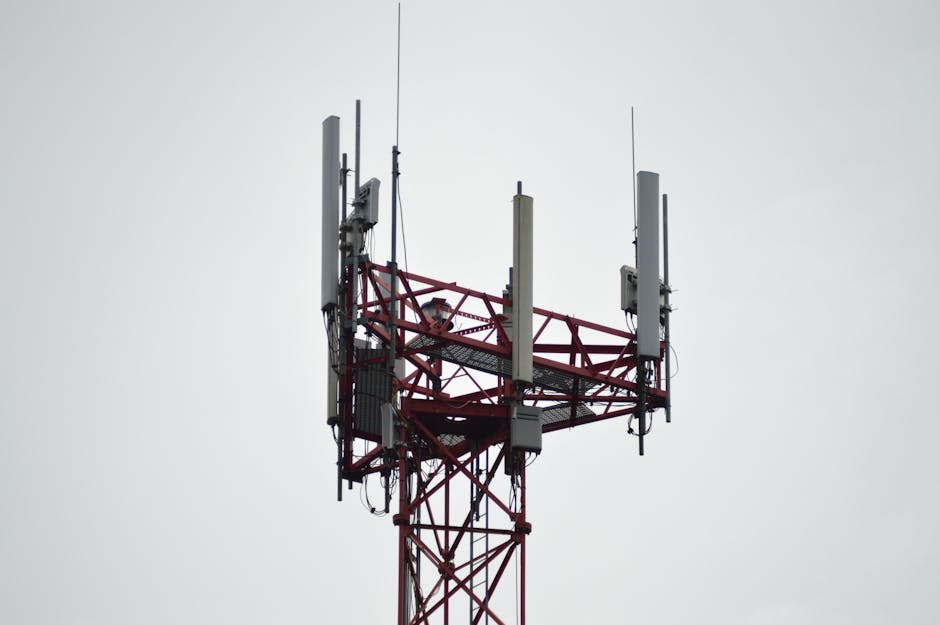
2026 will also see substantial innovation in mobile hardware, with devices increasingly equipped to support local AI processing. Phil Bramson, GM of App Media at Digital Turbine, predicts that onboard AI chips will transform mobile experiences by enabling instant, localized processing. This development not only reduces latency but also enhances privacy, opening opportunities for more personalized, contextual user interactions.
For enterprises, these advancements will significantly influence mobile device management (MDM) strategies. Local AI processing introduces new possibilities for privacy-safe targeting and dynamic engagement, ensuring that businesses can deliver experiences that are both secure and intelligent. Such hardware capabilities are poised to redefine how companies interact with customers across mobile and connected-device ecosystems.
The Monetisation of Media and Evolving Business Models

Pexels
Carrier business models are transitioning far beyond traditional connectivity plans. In 2025, carriers experimented with content-focused revenue streams such as curated content and lockscreen advertisements, and these models are likely to evolve further in 2026. By leveraging first-party device data and distribution networks, carriers are positioning themselves as integral players in full-funnel commerce strategies.
Bramson suggests that future engagement models will be inspired by cross-device ecosystems, integrating mobile, TV, and other connected interfaces to deliver seamless customer experiences. Additionally, the fusion of voice services with collaboration platforms represents an emerging trend. Many resellers and managed service providers (MSPs) are expected to bundle external calling with collaboration tools to simplify operations and reduce costs for businesses.
The year 2026 presents a dual challenge for the telecom sector. While internal operations must be optimized through AI and automation, external dynamics, including data compliance and innovative revenue strategies, cannot be overlooked. By proactively addressing these areas, telecom leaders can position themselves for sustainable success in a rapidly evolving industry.