Private LTE and 5G Networks: Driving Industry Transformation by 2030
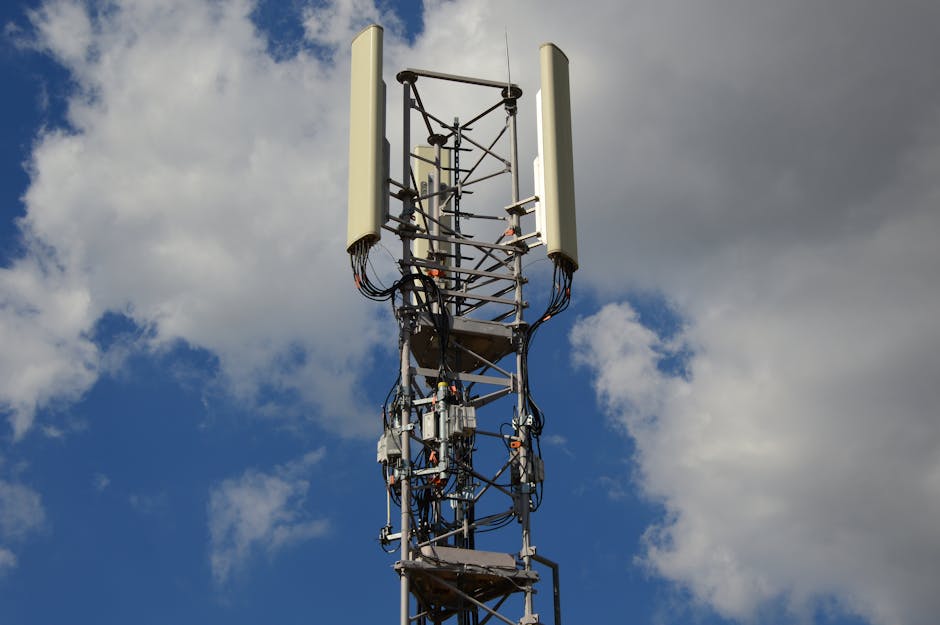
Private LTE and 5G Networks: A Growing Market

Pexels
The private LTE and 5G network market is set to experience unprecedented growth over the next decade, with its value expected to exceed $7.2 billion by 2028, according to a report by SNS Telecom & IT. This rapid expansion highlights the increasing role private networks play across various sectors, as businesses and organizations pivot away from traditional public mobile networks. Unlike the stagnant growth in public mobile network spending, private networks offer a flexible, high-performance alternative for industries looking to modernize their infrastructure and embrace Industry 4.0 innovations.
Private 5G networks, in particular, are emerging as a key enabler for industrial automation, the Internet of Things (IoT), and cutting-edge technologies like edge computing. These networks provide enterprises with secure, low-latency connectivity that fuels operational efficiency, enhances safety, and supports real-time decision-making. As organizations seek streamlined connectivity solutions, private 5G is poised to surpass LTE deployments, creating new benchmarks for connectivity performance and reliability.
Real-World Applications of Private Networks

Pexels
Private LTE and 5G networks are more than just theoretical advancements—they are delivering tangible benefits in real-world scenarios. Major players like Tesla, Hyundai, and LG Electronics have reported significant operational improvements, including the elimination of automated guided vehicle (AGV) connectivity breakdowns in their facilities. Similarly, Peel Ports Group has achieved a tenfold increase in network efficiency at the Port of Liverpool, resolving years of operational challenges posed by poor Wi-Fi connectivity.
The applications of private 5G extend far beyond manufacturing. Public sector organizations, such as police departments in Ontario’s Peel-Halton region, have adopted private networks for uninterrupted data access, ensuring public safety even during commercial network outages. Meanwhile, sports venues and transport hubs such as the Los Angeles Chargers training facility and Crystal Palace Football Club are leveraging private 5G for enhanced engagement and operational efficiency. These examples underscore the versatility and scalability of private networks as businesses across diverse industries incorporate them into greenfield designs to maximize performance from the outset.
Market Growth and Industry Verticals
Pexels
The increasing adoption of private networks is projected to drive a compound annual growth rate (CAGR) of 22% between 2025 and 2028, transforming the ecosystem for private radio access networks (RANs), mobile cores, and transport infrastructure. Over 70% of future investments, or approximately $5.1 billion, will focus on standalone private 5G systems. These networks are expected to revolutionize mission-critical broadband services in industries like public safety, utilities, and defense while dominating Industry 4.0 applications in manufacturing.
Manufacturing currently leads in private 5G adoption for automation and quality control, but industries such as healthcare, logistics, and energy are catching up. Healthcare, the fastest-growing segment, uses private networks for telemedicine and connected medical devices. Ports, warehouses, and transportation hubs leverage private 5G for autonomous operations, while energy companies deploy them in remote areas for secure communication. With governments worldwide allocating dedicated spectrum, enterprises can deploy these networks with greater ease, fostering further adoption.
Opportunities and Challenges Ahead

Pexels
Despite the remarkable potential, deploying private 5G networks presents challenges. High initial costs, specialized technical skills, and spectrum regulation remain barriers, especially for small and medium enterprises. Furthermore, competition with existing Wi-Fi solutions requires enterprises to clearly demonstrate the return on investment for mission-critical applications. However, as technology advances and cost models such as “network-as-a-service” become viable, these barriers are expected to diminish.
The private LTE and 5G ecosystem promises to revolutionize network infrastructure across industries by enabling automation, improving connectivity, and driving innovation. With spending projected to account for nearly a fourth of global mobile network investments by 2030, these networks are steering industries into a smarter, more connected future.