The Future of Broadband: Fiber and DOCSIS Innovations
The Everlasting Debate: Fiber vs. DOCSIS

Pexels
As the broadband industry evolves, fiber-to-the-premises (FTTP) continues to be heralded as the future of connectivity, promising unparalleled speeds and reliability. Yet, the story isn’t as one-sided as it might seem. While fiber is the technology of choice for greenfield deployments and government-subsidized expansions, the versatility and cost-effectiveness of DOCSIS technology ensure its relevance well into the future. Cable operators, including giants like Comcast and Charter Communications, have been doubling down on upgrades to their hybrid fiber/coax (HFC) networks, leveraging advancements in DOCSIS to deliver competitive broadband services at a fraction of the cost of full fiber deployments.
The key to the decision-making process lies in an intricate balance of performance versus cost. Upgrading tens of millions of locations to passive optical networking (PON) can be prohibitively expensive. On the other hand, enhanced DOCSIS technology, such as DOCSIS 4.0, offers gigabit speeds that meet, and in some cases exceed, the needs of most residential and business customers. Its appeal is further amplified by new bundled services like home broadband and mobile packages, which capture market share through affordability and multi-year price guarantees rather than short-term promotional tactics that risk churn.
DOCSIS 4.0 and Beyond: A Technological Leap
Pexels
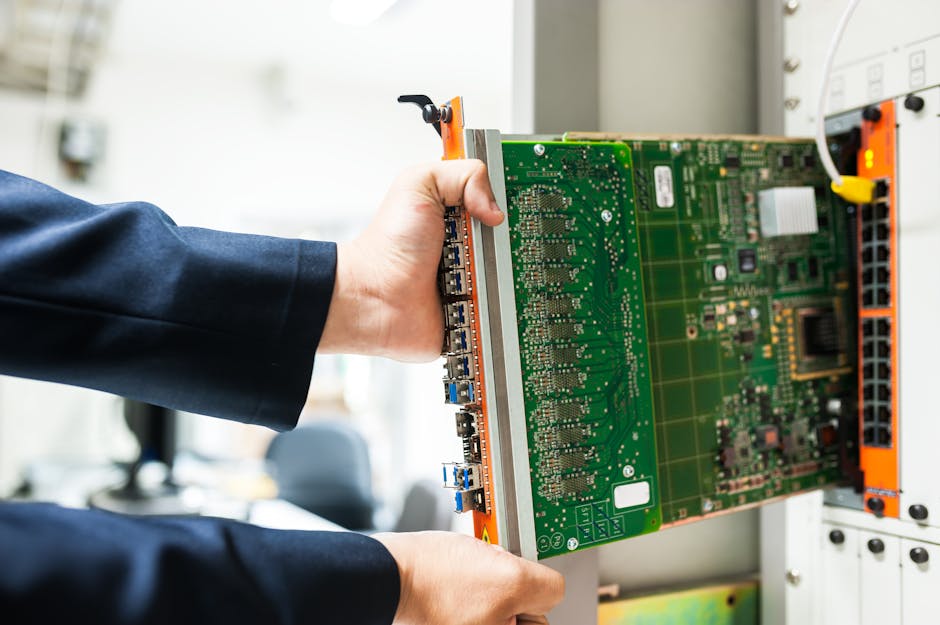
The evolution of DOCSIS technology is far from static, as evidenced by the flurry of advancements showcased in 2025. At the forefront of these developments is DOCSIS 4.0, which introduces features like full duplex (FDX) capabilities and distributed access architectures (DAA). However, the future is even brighter for DOCSIS enthusiasts. CableLabs has unveiled ambitious plans to push the spectrum ceiling from the current 1.8GHz to a potential 3GHz, paving the way for 25 Gbps speeds. Looking further ahead, the industry is considering expanding HFC networks to support a 6GHz spectrum capable of achieving 50 Gbps speeds.
These advancements are not without their challenges. Raising the spectrum requires rethinking power requirements and hardware configurations, such as amplifier spacing, which can be costly and complex. Nevertheless, operators continue to weigh these investments against the high costs of transitioning entirely to fiber, making DOCSIS a pragmatic interim solution that bridges today’s needs with tomorrow’s ambitions.
The Symbiotic Role of Mobile and Fixed Networks
Pexels
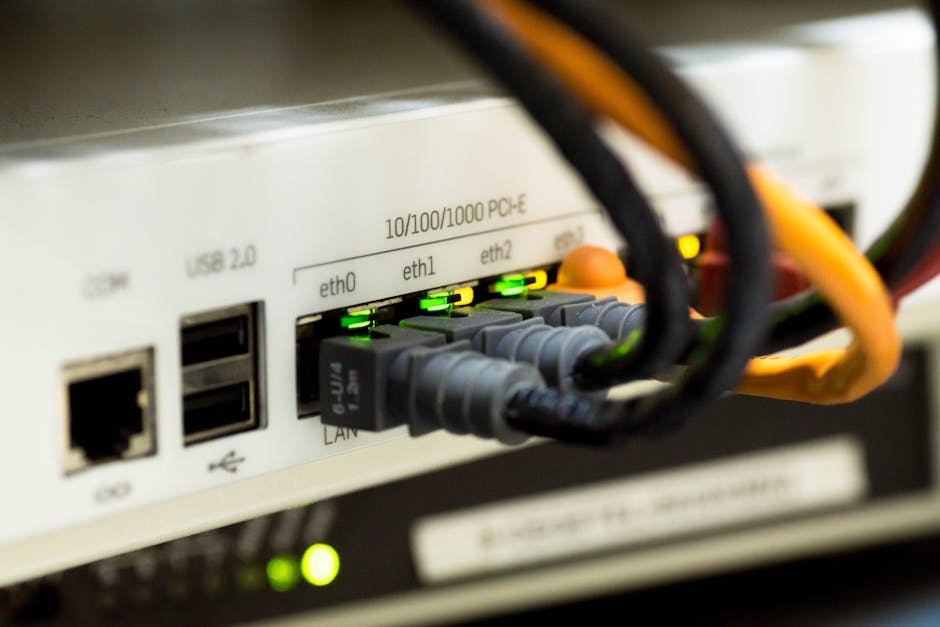
As mobile and wireless technologies grow increasingly sophisticated, their intersection with wired networks is beginning to shape the direction of broadband innovations. For example, Charter Communications recently showcased a groundbreaking “fiber-powered DAS” (Distributed Antenna System) that leverages the existing HFC network. Such developments underscore the flexibility of HFC and DOCSIS-based systems, which can support both wired broadband and mobile networks in tandem. This dual utility ensures that DOCSIS technology remains a cornerstone of connectivity infrastructure even as fiber deployments continue to expand.
Ultimately, while fiber may symbolize the future of connectivity, DOCSIS is not being left behind. The steady evolution of this cost-effective technology demonstrates its ability to compete in a rapidly changing market, offering operators the flexibility and capability they need to address growing demand. As we move toward 2026 and beyond, this dynamic between fiber and DOCSIS will continue to define the broadband landscape. Stay tuned for more developments, as the race to deliver faster, more reliable internet takes exciting new turns.