Starlink’s Direct-to-Cell Tech: Game-Changer or Not for Emergency Responders?
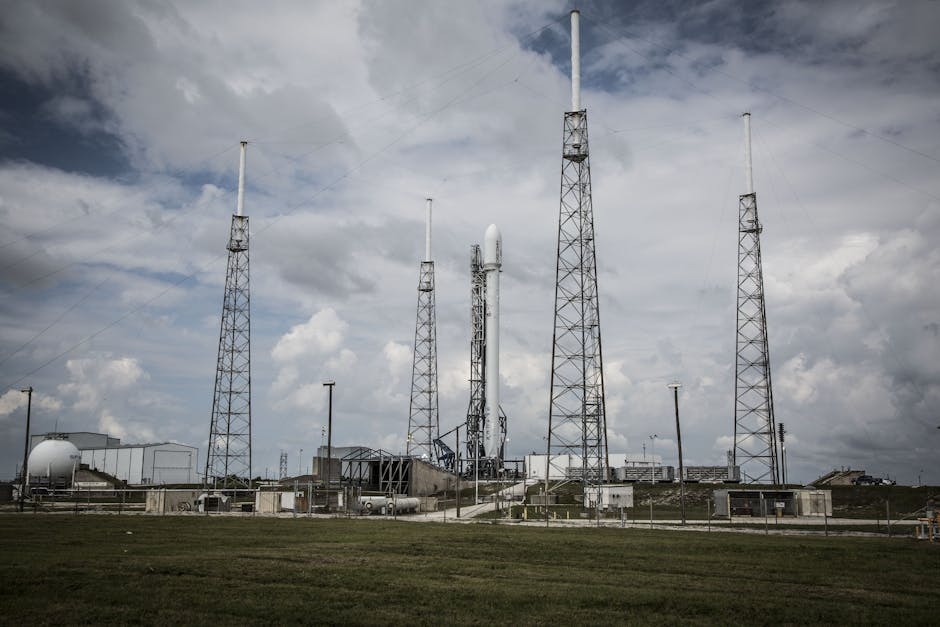
Starlink’s groundbreaking Direct-to-Cell technology is generating waves in the world of telecommunications. By enabling standard LTE-enabled smartphones to connect directly to satellites without the need for specialized dishes or equipment, the technology promises to eliminate coverage gaps and provide connectivity everywhere—from rural roadways to remote mountains. But while this is a milestone for consumers seeking everyday accessibility, the technology falls short in meeting the critical demands of professional-grade systems used by first responders, government agencies, and organizations with high-stakes communication needs.
What is Starlink’s Direct-to-Cell Technology?
Pexels
Starlink’s Direct-to-Cell initiative functions as a revolutionary satellite-broadband service where satellites act like orbital cell towers. Users can rely on their existing smartphones to access satellite networks for messaging, voice, and broadband services through the Starlink app, negating the necessity of purchasing dedicated satellite equipment. With an initial rollout focused on North America, Starlink aims to expand globally, intending to make remote connectivity a simple, widespread reality within the next few years. This development is a significant step toward bridging the communication gap in traditionally unreachable areas such as off-grid locations and isolated terrains.
For the everyday user, the ability to stay connected during backcountry travel, outdoor recreation, or rural living could be transformational. The convenience of relying solely on a standard phone for satellite connectivity is poised to change how people experience remote areas. However, the limitations of this system highlight that it is not yet a replacement for the advanced satellite solutions required in mission-critical scenarios.
Why Emergency Responders Need Professional Satellite Systems

Pexels
While Starlink’s consumer-friendly design prioritizes accessibility, it lacks the reliability and security demanded by first responders and other critical organizations. Mission-critical systems must excel in redundancy, reliability, security, and ruggedness—areas where commercial satellite solutions still have significant advantages over this emerging technology.
1. Redundancy and Reliability
Emergency scenarios require foolproof communication. Unlike Starlink’s single-network architecture, professional satellite systems provide multi-network failover to ensure uninterrupted connectivity during natural disasters, power outages, or catastrophic events. Multiple redundancies are critical when lives depend on reliable communication.
2. Durable Equipment for Harsh Conditions
Consumer-grade smartphones are not designed to withstand extreme environments often faced by rescue teams, firefighters, or military personnel. Rugged satellite phones, push-to-talk radios, and other hardened devices are built for durability, extreme weather, and harsh terrains, ensuring functionality even under the most challenging conditions.
3. Secure and Managed Communications
For government agencies and organizations handling sensitive data, the encryption and secure networks offered by enterprise satellite systems are indispensable. Consumer-grade solutions cannot match the advanced security levels and dedicated bandwidth provided by professional setups.
4. Guaranteed Service Levels
Starlink’s Direct-to-Cell service focuses on universal access rather than guaranteed uptime, rendering it unsuitable for scenarios requiring immediate, dependable communication. In contrast, enterprise-level satellite solutions include service-level agreements, backup pathways, and expert technical support to ensure readiness during emergencies.
Emerging Technology and Future Considerations

Pexels
Starlink’s Direct-to-Cell development undeniably marks an exciting chapter in satellite communication. It has the potential to make satellite connectivity commonplace and versatile. For everyday applications like personal safety or recreational use, this technology will democratize access to once-specialized services. However, its limitations mean it is simply one part of a larger ecosystem for critical communication tools.
At Remote Satellite Systems, we remain committed to adapting to these technological advancements while ensuring our clients, particularly those with mission-critical operations, have access to reliable, multi-layered communication systems. Professional satellite solutions will continue playing a vital role in emergency readiness as this industry evolves.
If your organization is exploring emergency preparedness or seeks resilient satellite communication solutions, feel free to contact us to design a connectivity system tailored to your needs. From Inmarsat and Iridium to emerging technologies like Starlink, we’re here to guide you through the future of satellite technology.