Google and TIA Join Forces to Shape the Future of Hyperscale Data Centers
Rising Demand for Reliable and Scalable Data Center Infrastructure
Pexels
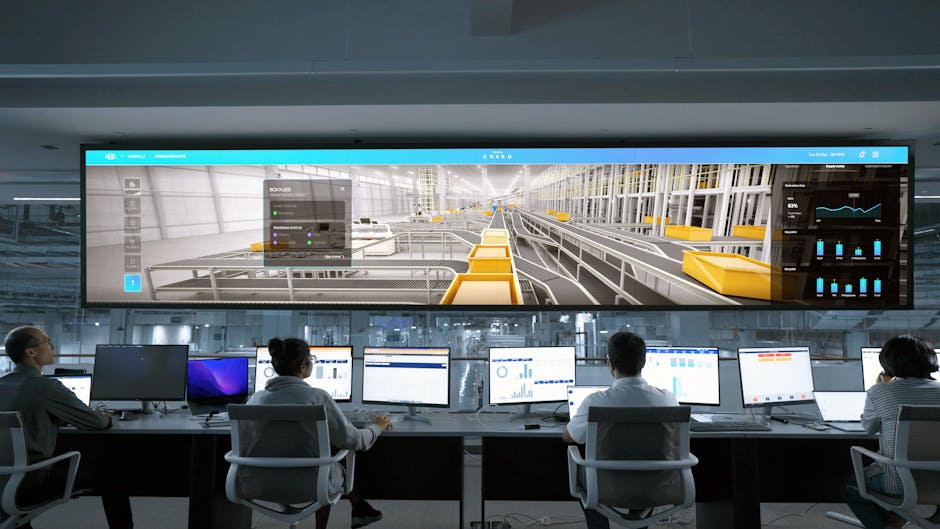
The global demand for compute and data services is growing at an unprecedented pace, creating new challenges for data center performance, reliability, and scalability. With hyperscale operators managing millions of transactions per minute across search, video, and cloud-based workloads, the demand for robust digital infrastructure has reached critical levels. Artificial intelligence (AI) has further accelerated this trend, necessitating advanced capabilities to accommodate exponential growth. Current projections estimate a tripling of global digital demand by the end of the decade, placing immense pressure on data centers to evolve their operations while maintaining fault-tolerant standards.
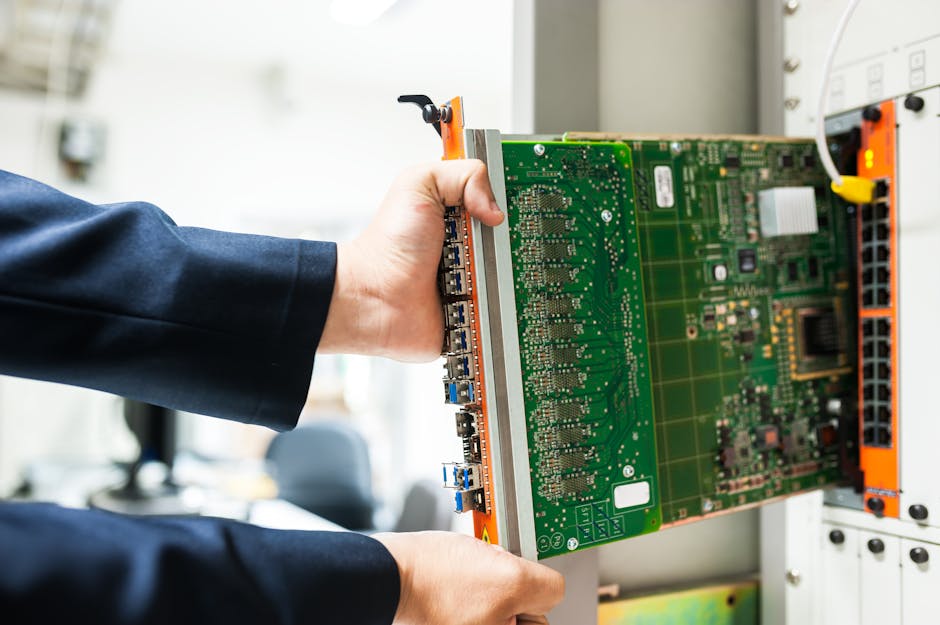
However, this evolution has exposed critical vulnerabilities. Hyperscale operations magnify even the smallest faults, transforming rare failures into daily risks. For instance, hardware components with a one-in-a-million failure rate can become consistent sources of disruption when deployed across millions of devices. These compounding risks make traditional infrastructure standards inadequate for ensuring the reliability hyperscale operators require. As the industry expands, modern solutions are needed to address this increasing complexity and prevent cascading failures caused by inefficiencies.
Why Current Standards Fail to Meet Operational Demands

Pexels
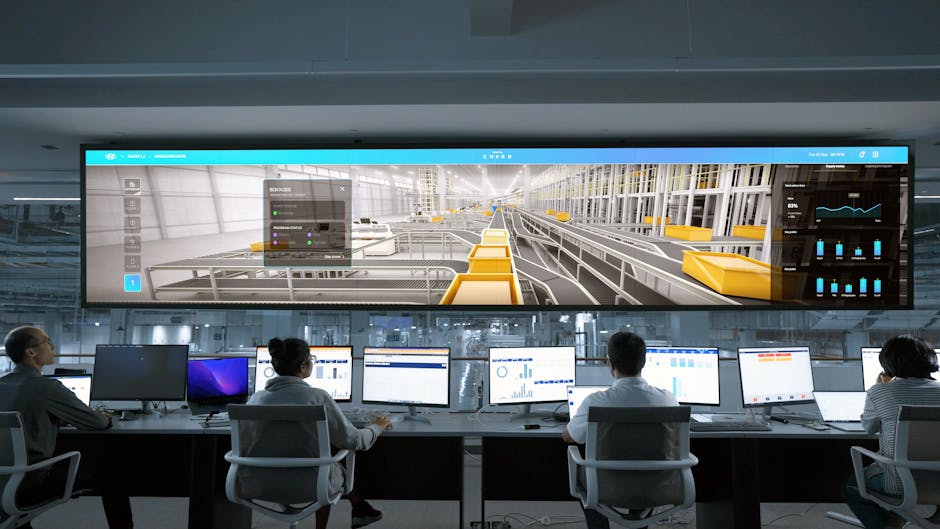
Legacy frameworks and generic certifications fail to address the intricate needs of today’s hyperscale data centers. Industry certifications typically establish broad quality guidelines but are not equipped to provide the level of precision required for hyperscale operations. These outdated standards lack the necessary components to ensure consistency across interdependent systems, such as power, cooling, network, and compute infrastructure. Minor issues left unaddressed can ripple through these interconnected ecosystems, resulting in significant outages and operational instability.
Moreover, hyperscale environments require more than physical durability; they need real-time visibility, predictive maintenance capabilities, and proactive fault tracking. Without standards specifically designed to manage such high levels of complexity, operators face a widening gap between their reliability expectations and the performance achievable under existing guidelines. As demand for AI-ready data centers grows, the industry must adopt new standards capable of meeting these challenges head-on.
A Collaborative Initiative: Google and TIA Step Up

Pexels
Recognizing the mounting challenges associated with hyperscale operations, Google has partnered with the Telecommunications Industry Association (TIA) to develop a dedicated Data Center Physical Infrastructure Quality Management Standard. This new initiative aims to create a framework that supports scalability and complexity while addressing the nuanced interdependencies of modern data center systems. In doing so, Google continues to demonstrate its commitment to operational excellence and global reliability in its data center footprint.
TIA, with its long history of quality management standards, has laid a robust foundation for this new endeavor. The organization’s TL 9000 quality management model exemplifies the value of industry-specific frameworks, and its expertise in crafting standards for data center design and operation is unmatched. Together, TIA and Google can establish a reliable blueprint that hyperscalers, operators, and suppliers can use to meet the demands of the future. By focusing on factors that directly impact operational consistency, this collaboration paves the way for more robust and scalable digital infrastructures.
Looking Ahead: Building a Reliable Digital Future
Pexels
The roadmap for this initiative is ambitious yet essential. The development began with an informational kickoff in December, marking the start of a comprehensive effort to establish metrics, qualifications, and accreditation systems. To enable seamless adoption, a complete ecosystem comprising training programs, auditors, and certification organizations is being developed in tandem with the standard itself. Industry review of the initial draft is expected by the end of 2026, underscoring the urgency of this project.
The new standard, once implemented, will have a far-reaching impact, influencing not just hyperscale data centers but also ISPs, fiber optical networks, and satellite deployments. It represents an opportunity for stakeholders across the digital ecosystem to collaborate on eliminating hidden vulnerabilities while ensuring predictable outcomes. As this initiative gains momentum, it serves as a call to action for industry stakeholders to actively participate in shaping this transformative framework. The combined efforts of Google, TIA, and the broader industry community have the potential to redefine data center operations for decades to come.