RPKI Adoption in 2025: Strengthening Internet Security Through Secure Routing
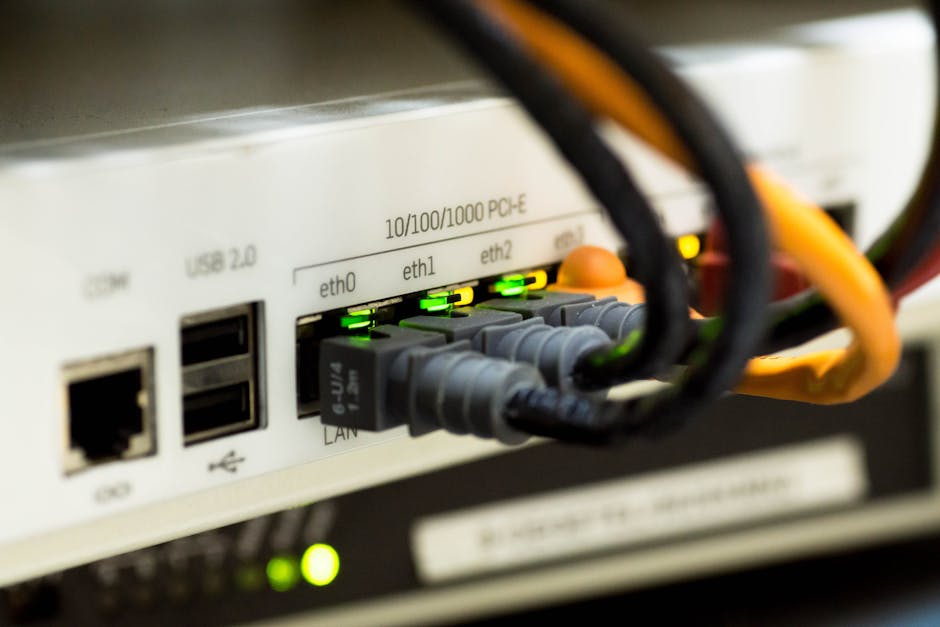
According to APNIC Blog, Resource Public Key Infrastructure (RPKI) has seen significant growth in adoption throughout 2025, solidifying its role as a key technology for securing internet routing globally. This aligns with the rising focus on mitigating cyber threats by enhancing the reliability of Internet protocol infrastructure.
What’s Driving RPKI Adoption?
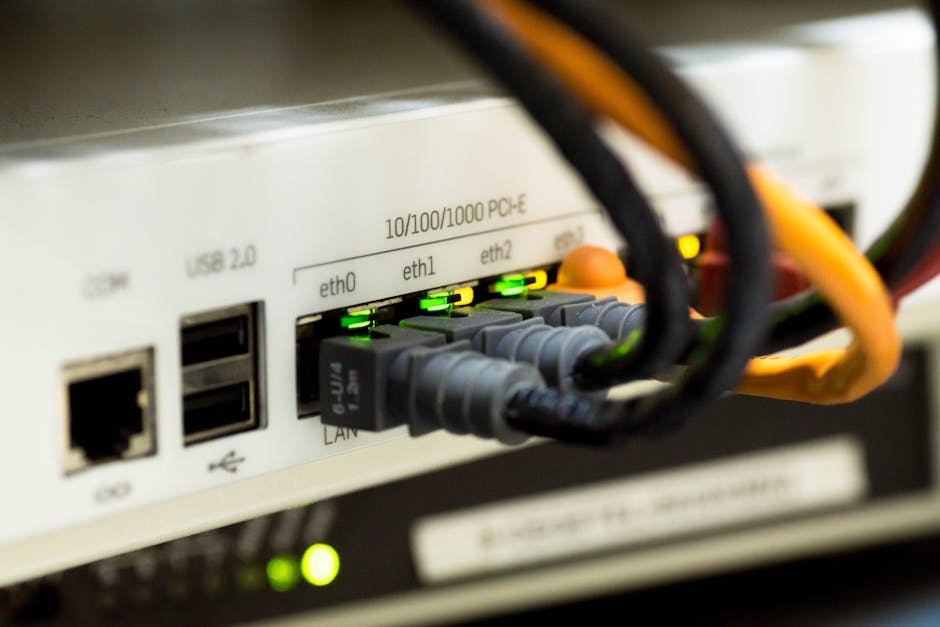
RPKI plays a critical role in preventing route hijacking and IP address spoofing by cryptographically verifying the association between route announcements and their legitimate owners. In 2025, major telecom providers and internet exchanges across Asia-Pacific and beyond have increasingly implemented RPKI to bolster network security.
The adoption surge is fueled by growing pressure on service providers to tighten internet security amid high-profile security breaches worldwide. According to industry reports, approximately 40% of the global ASN (Autonomous System Numbers) now have RPKI-valid route announcements, up from 30% in 2024. This rapid growth is partly attributed to government regulations and industry incentives promoting secure routing, particularly in the EU and Asia-Pacific regions.
The Bigger Picture: RPKI’s Impact on the Telecom Industry

RPKI’s adoption is not just a technical milestone—it represents a shift in how the telecom industry tackles emerging cyber threats. With over 60% of global internet traffic originating from or transiting through just a few major providers, the risks of route leaks or hijacks remain critical.
Key players like NTT, Tata Communications, and Cloudflare have taken proactive measures in implementing RPKI across their networks, setting benchmarks for smaller ISPs to follow. This could level the playing field by enabling smaller regional operators to compete more effectively on security compliance—a growing market differentiator.
Moreover, RPKI strengthens the credibility of Border Gateway Protocol (BGP), which has often been criticized for being outdated and insecure. Its integration paves the way for a safer, more resilient internet backbone—a vital factor in supporting emerging technologies like IoT and 5G.
Future Outlook: Expert Insights and Advanced Use Cases

Looking forward, experts predict that RPKI adoption will become ubiquitous by 2028, given its growing importance in cybersecurity frameworks. However, challenges such as skill gaps in RPKI deployment, lack of awareness in developing regions, and concerns about implementation costs remain hurdles.
Dr. Amanda Li, a leading cybersecurity researcher, highlights: “RPKI represents a major step toward securing critical infrastructure, but there’s a need for ongoing awareness campaigns and financial incentives to drive adoption in underfunded markets.” Li also noted how RPKI intersects with technologies like DNSSEC (Domain Name System Security Extensions) in creating a more secure digital ecosystem.
In addition, advanced use cases such as programmable networks leveraging RPKI for real-time path validation signal exciting opportunities ahead. Combined with increased collaboration among governments and private enterprises, the future of secure routing has never been more promising.
Conclusion: The Road Ahead for Internet Security

As RPKI adoption accelerates, it marks a turning point not only for internet routing security but also for the broader telecom ecosystem. Enhanced routing protocols are vital in safeguarding users from malicious actors while supporting the scalability demands of future networks. What are your thoughts on RPKI’s growing influence in securing the internet? Share your insights below!