Map Africa: How Space42, Microsoft, and Esri Aim to Digitally Transform Africa by 2030

According to African Business, a groundbreaking partnership between Abu Dhabi-based Space42, Microsoft, and Esri has launched Map Africa, a sophisticated satellite mapping initiative designed to create a continuously updated digital map of all 54 African nations by 2030. The project aims to revolutionize urban planning, agriculture, logistics, and national security through the integration of real-time geospatial data powered by AI and satellite technology.
H2: Inside Map Africa’s Ambitious Vision

Map Africa leverages cutting-edge resources to address Africa’s fragmented geospatial data systems. Space42 provides high-resolution satellite imagery, Esri contributes state-of-the-art geospatial mapping and visualization software, while Microsoft Azure powers the platform’s secure and scalable cloud infrastructure. By 2030, the Map Africa project envisions every country on the continent operating live base maps, enabling governments and businesses to access actionable data across a variety of sectors.
The platform’s initial focus (2025 to 2027) is on foundational mapping and pilot programs in select countries. ‘Centers of Excellence’ will serve as regional hubs for training and research, empowering governments and local businesses to sustain and build upon the initiative. By democratizing access to live maps, Map Africa aims to boost innovation and unlock Africa’s potential for long-term sustainable growth.
H2: Why Map Africa Matters for the Telecom and Technology Sectors
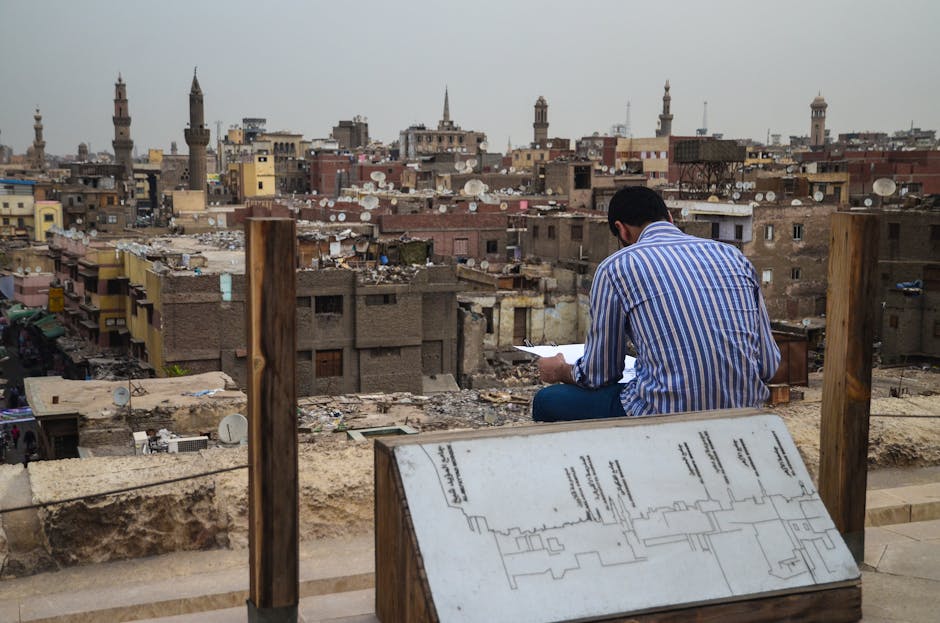
Live geospatial data is poised to disrupt industries reliant on precise mapping and analytics. In telecom, for example, accurate maps of urban and rural areas will enable telecom operators to optimize network installations, expand 5G infrastructure, and improve connectivity across underserved regions. This is particularly significant given Africa’s rapid population growth and ongoing digital transformation, which require innovative solutions to bridge digital divides.
Additionally, the integration of high-resolution mapping is a game-changer for logistics and supply chains. Companies can now optimize transportation routes, reduce costs, and minimize delays with real-time road and infrastructure visibility. Energy companies can strengthen climate resilience by mapping vulnerable flood zones or drought-prone agricultural areas, and governments can use live maps for disaster planning and border security enhancements.
“For telecommunications and other industries, high-quality geospatial data and live updates will reduce operational inefficiencies,” notes Elmuiz Saad, senior VP at Space42. “This platform’s commercial insights have broad applications in agriculture, energy, insurance, and more,” he adds.
H2: Expert Insights and the Roadmap to 2030
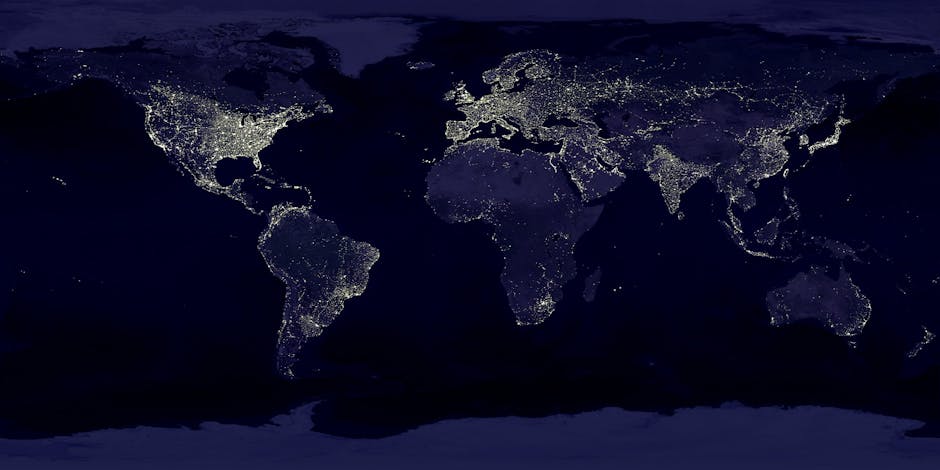
Experts highlight that Map Africa represents a turning point for Africa’s economic development. Yaw Nyarko, a professor of economics at New York University in Abu Dhabi, observes that the initiative could create vital job opportunities and empower African startups through data access and localized applications. “This new ecosystem will help governments and entrepreneurs tackle longstanding issues, from infrastructure planning to socioeconomic challenges,” explains Nyarko.
A key aspect of the project is fostering cross-border cooperation on geospatial data governance. Historically, African nations have relied on siloed mapping initiatives with limited cross-border interoperability. Map Africa’s harmonized approach could position the continent to compete globally by efficiently planning for urbanization, digital inclusion, and climate action.
While the ambitious timeline to achieve full coverage by 2030 raises challenges, Space42 officials remain optimistic. “By combining satellite imagery with AI-driven automation, traditional bottlenecks are eliminated, accelerating this scale of harmonized mapping,” says Yuliya Tarabalka, Space42’s VP of Geospatial and Smart Solutions.
H2: Conclusion: A Game-Changer for Africa’s Future

Map Africa has the potential to transform Africa’s economic landscape by enhancing decision-making, spurring business innovation, and supporting sustainable development goals. As the project progresses, stakeholders in technology, agriculture, urban planning, and telecom stand to benefit enormously. But will the initiative achieve its ambitious targets and fully integrate Africa’s fragmented geospatial ecosystem? Only time will tell.
How do you see projects like Map Africa changing the future of African commerce, connectivity, and climate action? Let us know your insights in the comments below.
For further details, visit the original article on African Business.