6G Developments: How ITU-R and 3GPP Are Laying the Foundation for the Next Telecom Revolution
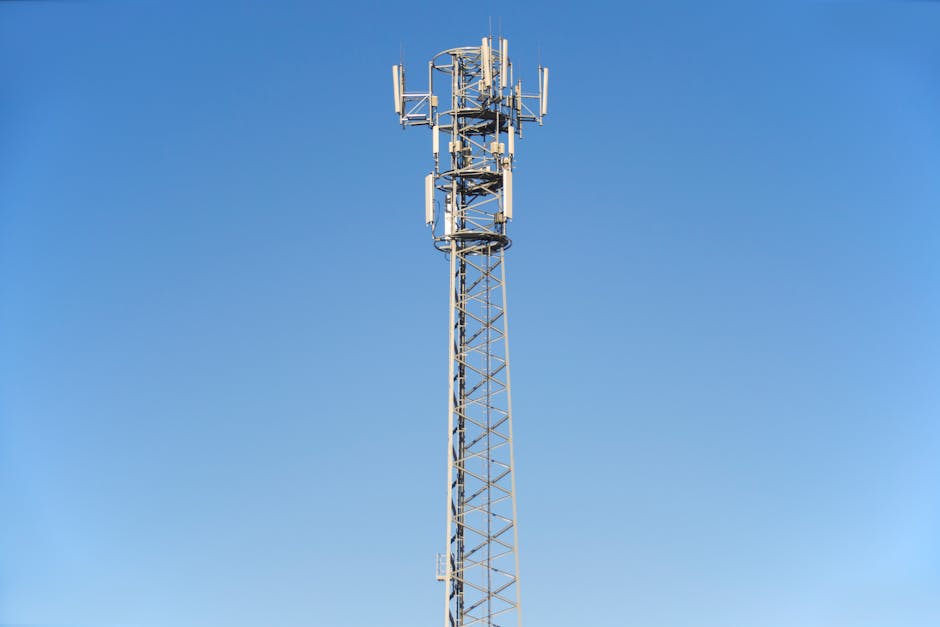
According to Light Reading, the groundwork for 6G wireless technologies is being actively developed by key standardization bodies, including ITU-R and 3GPP, with commercial deployment targeted for 2030. While the 5G era is still unfolding, early work on 6G specification highlights new benchmarks for connectivity, including extreme data rates, AI-driven management, and integrated sensing capabilities.
What ITU-R and 3GPP’s Work Means for 6G Standardization
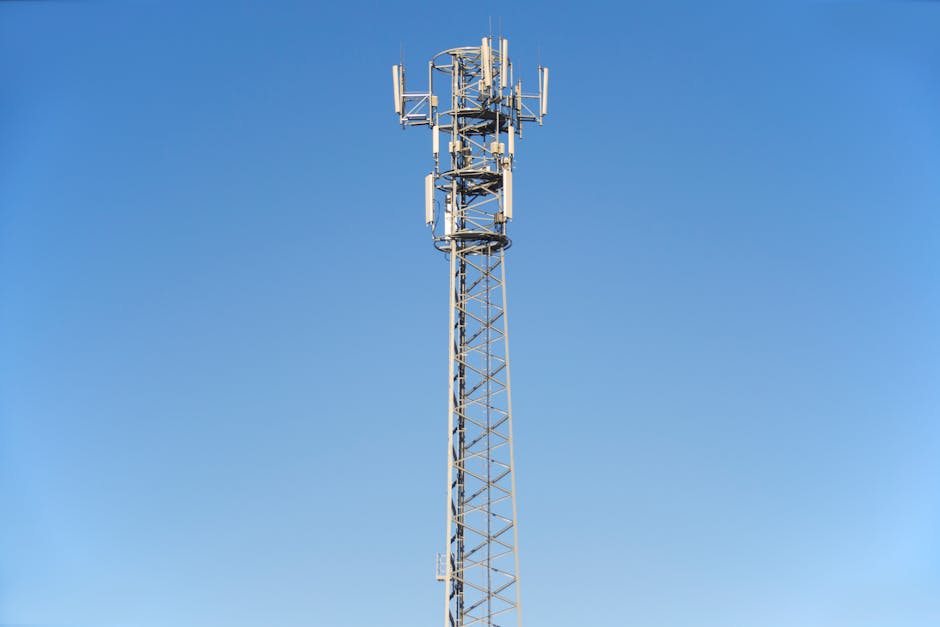
The ITU-R (International Telecommunication Union Radiocommunication Sector) and 3GPP (3rd Generation Partnership Project) play pivotal roles in defining global wireless standards. ITU-R’s framework establishes the broad technical requirements and performance objectives for IMT-2030 (6G) technologies. Meanwhile, 3GPP develops the detailed Radio Interface Technologies (RITs) and contributes them for ITU-R approval. This collaborative approach ensures global alignment on 6G technologies.
As per Light Reading’s report, 3GPP’s 6G development timeline aligns with ITU-R milestones. Early 6G specification work is underway in Release 19 and will continue through Release 21, with the first concrete technical standards anticipated by 2028. Interestingly, the move from 5G to 6G is positioned as an evolution rather than a sharp break, building on advancements in 5G technologies such as advanced MIMO, energy efficiency, and AI integration.
Telecom Market Context: Why 6G Development Matters

The telecom industry is undergoing transformative changes as 5G adoption accelerates worldwide. Research firm GSMA predicts that 5G networks will account for 75% of global mobile data traffic by 2025, propelling the need to define 6G to handle future demands. Key players like Ericsson, Nokia, and Huawei are already investing in early-stage 6G research, while South Korea, Japan, and the United States are funding national 6G strategies.
6G is anticipated to support revolutionary applications in sectors like autonomous transportation, immersive AR/VR experiences, and high-stakes industrial automation. Enabling these applications will require overcoming significant challenges, such as meeting ultra-low latency requirements (<1 ms) and deploying networks that operate efficiently across spectrum bands exceeding 7 GHz—possibly into the terahertz range.
Notably, the recent ITU-R World Radiocommunication Conference (WRC-23) identified frequency bands for further study but deferred formal decisions on 6G bands to WRC-27 in 2027. This delay underscores the complexity of achieving global consensus on spectrum allocation.
Future Outlook: 6G Opportunities and Challenges

Industry experts view 6G as an enabler of seamless, ubiquitous connectivity with integrated space, air, and terrestrial networks. Key themes include cloud-native architectures, AI/ML-driven orchestration, and integrated sensing and communication (ISAC). The latter, in particular, is seen as a critical capability for 6G, enabling networks to gather environmental data for applications like precision agriculture and smart cities.
At the same time, 6G development faces unique hurdles. For one, the lack of clarity around spectrum bands and global standards could delay commercial rollout. Additionally, investments in research and infrastructure will require coordinated efforts among governments, telecom operators, and technology vendors. Dr. Puneet Jain, Chair of 3GPP’s Service and Systems Aspects Working Group, has emphasized the importance of balancing innovation with backward compatibility to ensure a smooth transition from 5G.
Early pilot projects and regional trials could become a reality as early as 2028, driven by leading economies. However, widespread adoption is unlikely before 2030, owing to the complex interplay of regulatory, technical, and financial factors.
Conclusion: Setting the Stage for 6G
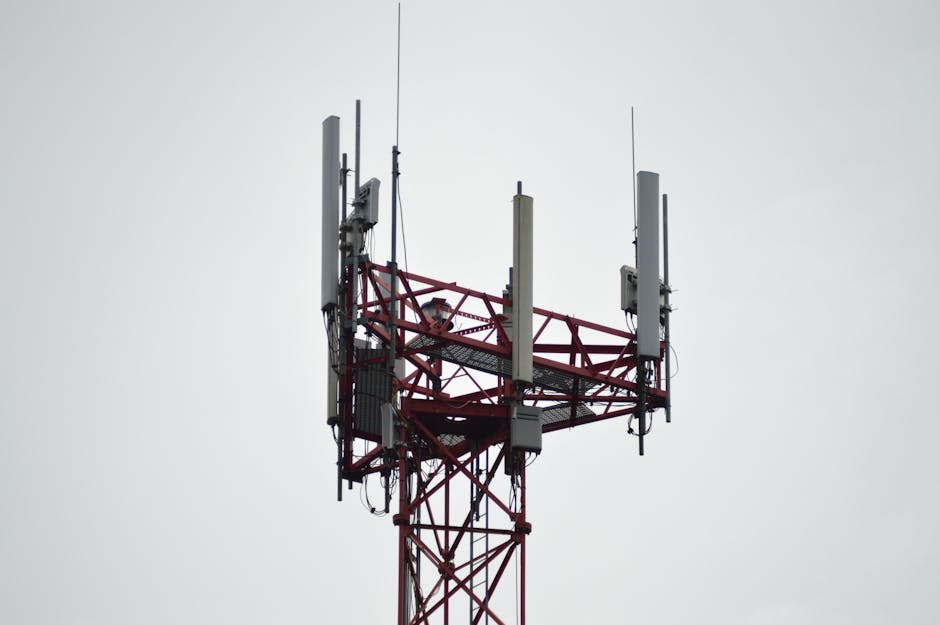
As the global telecom industry prepares for the 6G era, current efforts by ITU-R and 3GPP mark the beginning of a paradigm shift in connectivity. While commercial deployment is nearly a decade away, the decisions made today will shape the networks of tomorrow. What are your thoughts on 6G’s potential to redefine connectivity? Let us know in the comments below!