How Telecom Networks Are Disrupting Weather Sensing Technology
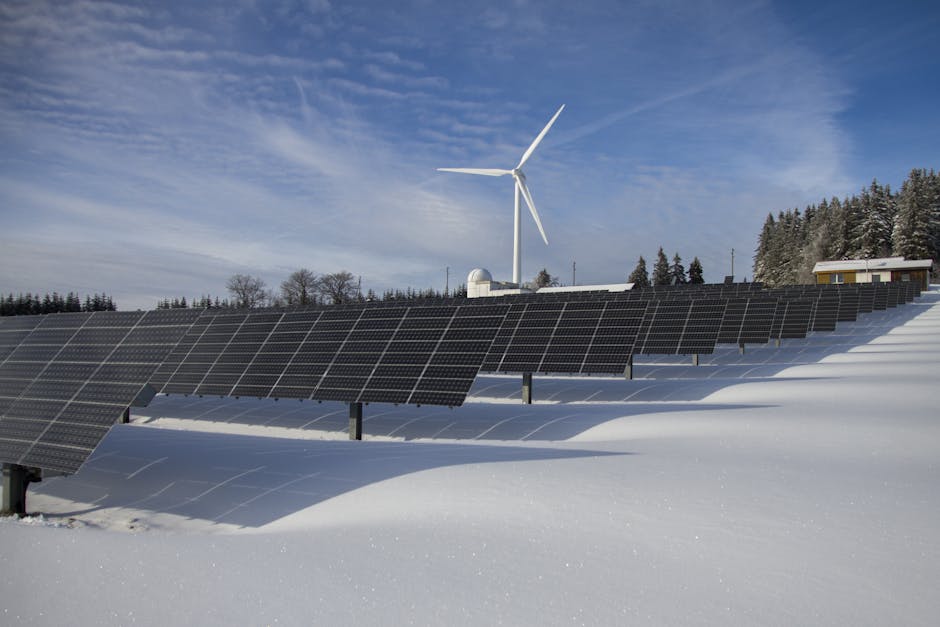
According to Sebastian Barros on Substack, telecom networks may soon revolutionize weather forecasting by leveraging existing infrastructure as an advanced environmental sensing system. Utilizing microwave links, 4G, and 5G signals as virtual sensors, the technology can transform large-scale telecom infrastructure into a dense, real-time atmospheric monitoring network capable of improved forecasting and disaster alerting, with minimal additional investment.
Turning Telecom Infrastructure into a Weather Sensing Grid

Telecom networks harbor significant untapped potential for atmospheric sensing. By analyzing changes in signal strength, timing, or attenuation caused by environmental factors like rain, humidity, and temperature, operators can generate highly accurate, localized weather patterns that were previously unattainable through traditional radar. With over eight million radio sites worldwide—equipped with antennas, backhaul connectivity, and compute power—this infrastructure is primed for repurposing through Integrated Sensing and Communication (ISAC).
The physics behind this approach is already well-documented, with research into GNSS-based estimations and radio signal attenuation spanning over 20 years. The only barrier lies in activating the data, processing the information through edge computing, and exposing it through robust APIs. This process would require no new physical hardware or towers, making it a cost-effective innovation for telecom operators.
Why This Matters for the Telecom and Technology Industries

The repurposing of telecom networks could redefine the role of mobile infrastructure in society. Traditionally, telecom infrastructure has only provided connectivity. However, the integration of sensing capabilities could extend the industry’s scope into environmental intelligence, enabling significant advancements in disaster preparedness, urban planning, agriculture, and even public safety.
According to the European Union Agency for the Space Programme, GNSS systems already contribute to applications like autonomous vehicles and precision agriculture. Similar deployments for telecom networks could give leading companies such as AT&T, Verizon, and Deutsche Telekom a competitive edge with innovative data products.
Competitors in radar technology or specialized weather instrumentation—such as Vaisala or Earth Networks—may face disruption if telecom providers activate these capabilities at scale. Unlike specialized weather hardware, telecom networks already exist across urban and rural areas, providing cost and coverage advantages.
Future Outlook: Real-Time Environmental Sensing as a Game Changer

Experts believe the telecom industry’s transition toward structured environmental sensing is inevitable. Recent efforts around Open Gateway APIs facilitate wide-scale integration, enabling telecom operators to monetize these new services by exposing environmental intelligence to third-party developers and enterprises.
As climate change intensifies, governments and industries are investing heavily in disaster resilience and forecasting technologies. The global weather forecasting systems market was valued at $3.5 billion in 2022 and is projected to hit $6.7 billion by 2030, according to Allied Market Research. Telecom networks equipped with ISAC could claim a significant piece of this growing market.
However, implementation will require cross-industry collaboration, including network vendors, cloud service providers, and regulators, to establish data security and transparency frameworks. Without unified standards, large-scale deployment could remain fragmented, missing the full societal benefits this breakthrough offers.
Conclusion: Is Telecom the Future of Weather Forecasting?

The vision of telecom networks evolving into real-time environmental sensors represents a paradigm shift for the industry. Not only does it add value to existing infrastructure, but it also creates new opportunities in smart city development, disaster resilience, and environmental monitoring.
What are your thoughts? Could telecom networks emerge as the next major force in environmental intelligence? Share your opinions below!