How Telecom Networks Are Becoming Powerful Tools for Real-Time Weather Sensing
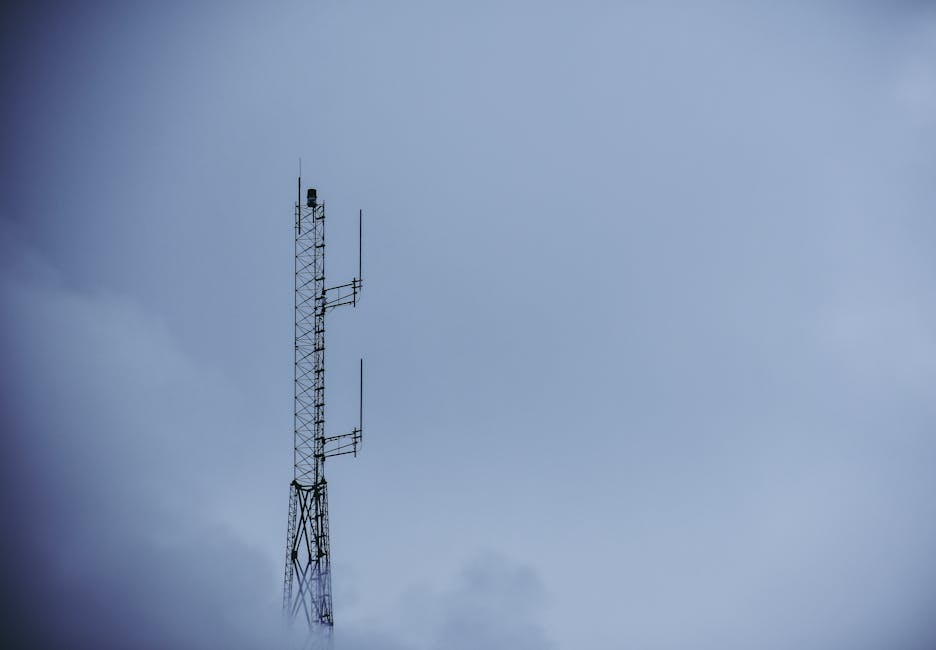
According to Sebastian Barros on Substack, telecom networks are poised to revolutionize weather monitoring by transforming existing microwave links and 4G/5G infrastructure into high-resolution atmospheric sensors. By analyzing changes in signal strength and timing caused by environmental factors such as rain, humidity, and temperature, these networks could deliver real-time weather data, disaster alerts, and granular forecasting without requiring new hardware investments.
How Telecom Networks Can Enable Weather Sensing
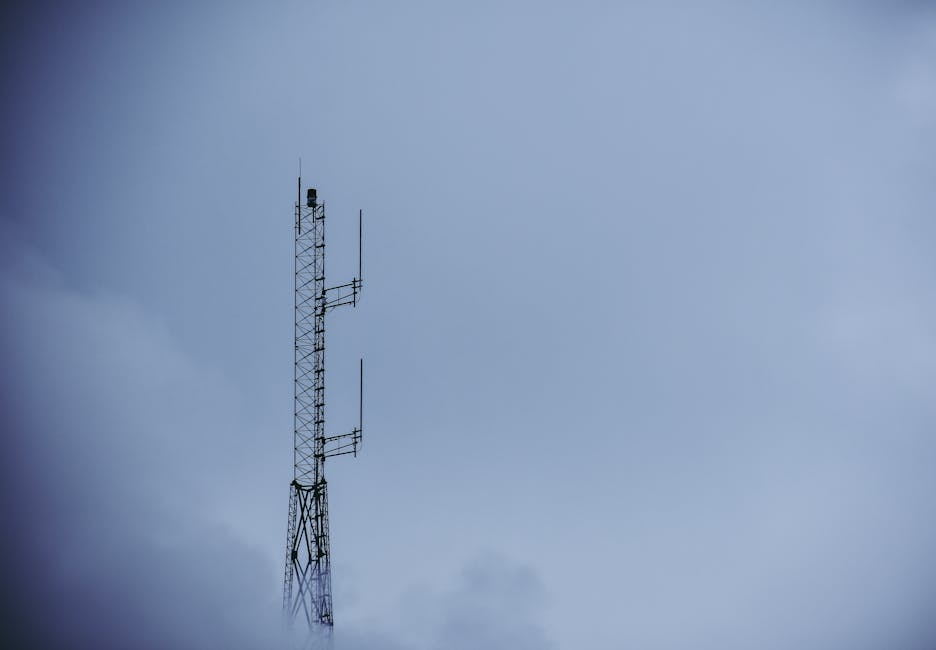
Barros explains that telecom networks, with their existing infrastructure of over eight million radio sites globally, already have the necessary components—power, backhaul, antennas, and compute—to enable atmospheric sensing. The process leverages the physics of signal attenuation, Global Navigation Satellite System (GNSS) data, and radio wave refractivity effects, which have been studied for more than 20 years. These principles are already embedded in the network’s planning and synchronization systems, making the transition to weather sensing more about activation than innovation.
By building a layer of Integrated Sensing and Communication (ISAC) onto existing networks, telecom operators can repurpose radio signals for radar-like functions. This includes detecting rain patterns, monitoring air quality, and even offering real-time object motion detection and crowd flow analysis. The approach does not require additional towers or hardware but instead relies on software-driven architecture and edge inference capabilities—all powered by data that telecoms already collect but seldom utilize.
Why This Innovation Matters for the Telecom Industry

The implications of enabling telecom-based weather sensing are transformative for the industry. Currently, networks provide connectivity as their primary service; however, a pivot towards environmental intelligence offers new revenue streams. For example, telecom operators could provide weather data APIs and open new markets in industries such as logistics, agriculture, disaster preparedness, and urban planning. This could align perfectly with initiatives like Open Gateway APIs, which seek to unlock additional value from telecom infrastructure through data exposure.
The burgeoning demand for hyper-local weather monitoring could represent a multi-billion-dollar opportunity. According to a Grand View Research report, the global weather forecasting market size was valued at $2.4 billion in 2021 and is expected to grow at a compound annual growth rate (CAGR) of 10.4% from 2022 to 2030. Telecoms, by leveraging their dense infrastructure, could tap into this high-growth market, providing cost-effective, real-time solutions compared to traditional weather stations or radar systems.
This innovation also has significant implications for telecom vendors and other stakeholders. Companies like Ericsson, Nokia, and Huawei, which already play critical roles in network infrastructure, may begin to pivot their technologies towards such capabilities, opening new markets and differentiating their offerings.
What Lies Ahead: Expert Perspective

While the technology exists, Barros notes that few operators have adopted this model due to organizational inertia and a focus on connectivity as the primary business model. Operationalizing this capability will require not only technical changes but also strategic shifts to position telecom networks as ecosystem orchestrators rather than mere connectivity providers.
Experts highlight key challenges, including the architecture needed to store, process, and analyze environmental data on such a massive scale. Additionally, regulatory frameworks may need updating to ensure data transparency and reliability without breaching consumer privacy. However, the operational simplicity of integrating weather-sensing capabilities—since no new hardware is needed—makes this a low-barrier, high-reward transformation.
In the long term, telecom-based weather sensing could complement and even replace some traditional methods like radar by offering higher spatial and temporal resolution. Beyond weather, Barros envisions networks being used for structured awareness, including anomaly detection, public safety, and even environmental sustainability initiatives. This positions telecom not just as an infrastructure provider but as a partner in broader societal challenges.
Taking the First Steps

As technological evolution blurs the lines between connectivity and sensing, telecom operators have a critical opportunity to adapt and lead in markets previously dominated by meteorological institutions. What’s your take on telecoms as weather innovators? Could this shift redefine the industry’s value proposition?
Source: Sebastian Barros on Substack