How a Key Development Is Shaping the Future of Telecom Markets

According to IEEE Communications Society, a leading voice in technology advancement, recent developments within the telecom sector are poised to reshape the industry landscape. This announcement, tied to ongoing innovation and strategic market trends, highlights the acceleration of key technologies that impact global connectivity and competition among telecom giants.
Understanding the Latest Announcement

The IEEE Communications Society emphasized the importance of their findings, underscoring the dynamic evolution of telecom networks. While specific initiatives were not disclosed, the association, known for its influence in technology and policy, pointed to emerging trends impacting 5G deployment, broadband expansion, and advanced spectrum usage.
These insights align with broader industry efforts to integrate advanced capabilities such as AI-driven network management, ultra-reliable low-latency communications (URLLC), and expanded rural access infrastructure. Companies like Verizon and T-Mobile have similarly invested billions in competing strategic efforts to dominate key telecom niches.
Market Context and Industry Implications
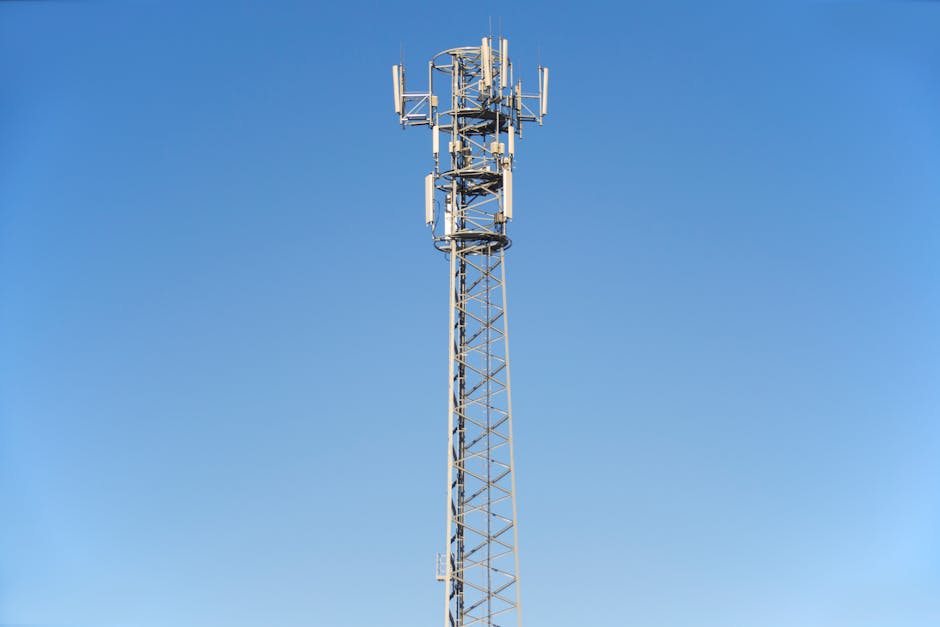
The telecom industry is undergoing massive growth, with an expected market size of $2.65 trillion by 2028, growing at a CAGR of 5.4% from 2022, according to Fortune Business Insights. This surge is driven in large part by global digitization, the demand for seamless connectivity, and the race among telecom players to deliver faster and more reliable services. With IEEE’s recognition of key trends, smaller markets and regions with limited access could see rapid innovation in connectivity—a potential game-changer.
Furthermore, this shift could pressure competitors to increase investment in technology like Open RAN for network flexibility and fiber rollouts to support scalable traffic demand. Companies that fail to adapt risk losing market share in what’s becoming an aggressively competitive industry.
Future Outlook: Expert Analysis

Experts believe that IEEE’s announcement signals a tectonic shift in focusing on next-generation telecom challenges. Tech analyst Sarah Rowe explains, “We’re moving toward a new frontier with telecom companies leveraging not just better infrastructure but intelligent AI systems to predict demand and optimize user experiences.”
In tandem with a focus on carbon-neutral technologies and renewable energy deployment in network setups, future investments are expected to prioritize both sustainability and performance. Emerging areas such as satellite internet, championed by SpaceX’s Starlink and Amazon Kuiper, might also gain leverage as landlocked markets open up to alternative solutions.
Conclusion
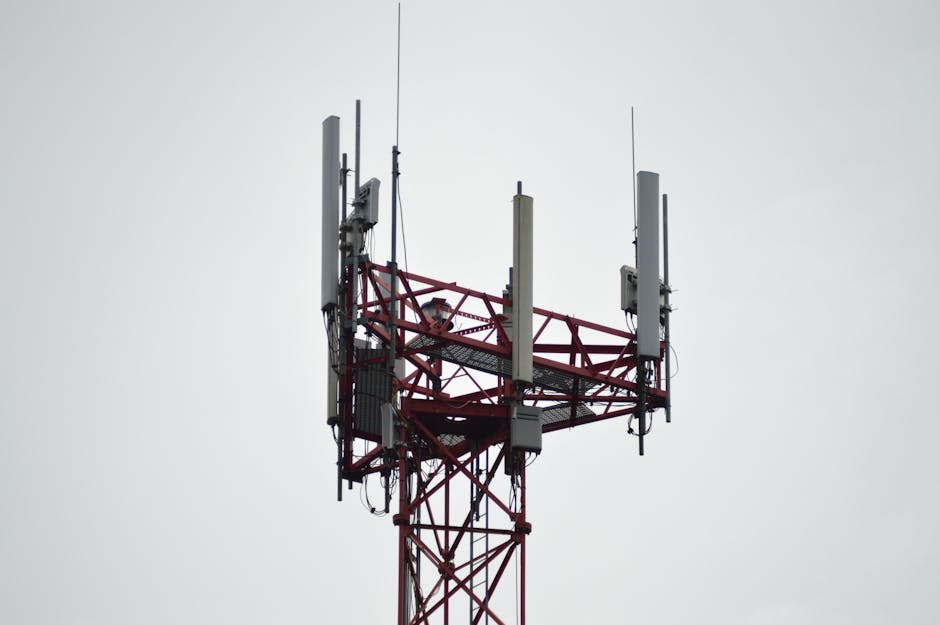
With IEEE Communications Society shedding light on pivotal advancements in telecom technology, the industry stands at a crossroads of innovation and market shifts. As competition heats up among major industry players, companies doubling down on infrastructure, AI development, and emerging technologies could shape the future of connectivity.
What do you think will be the most significant game-changer in telecom over the next decade? Share your thoughts below!