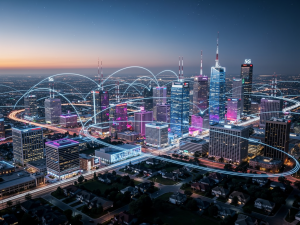
2026: A Transformational Year for Broadband Connectivity in America
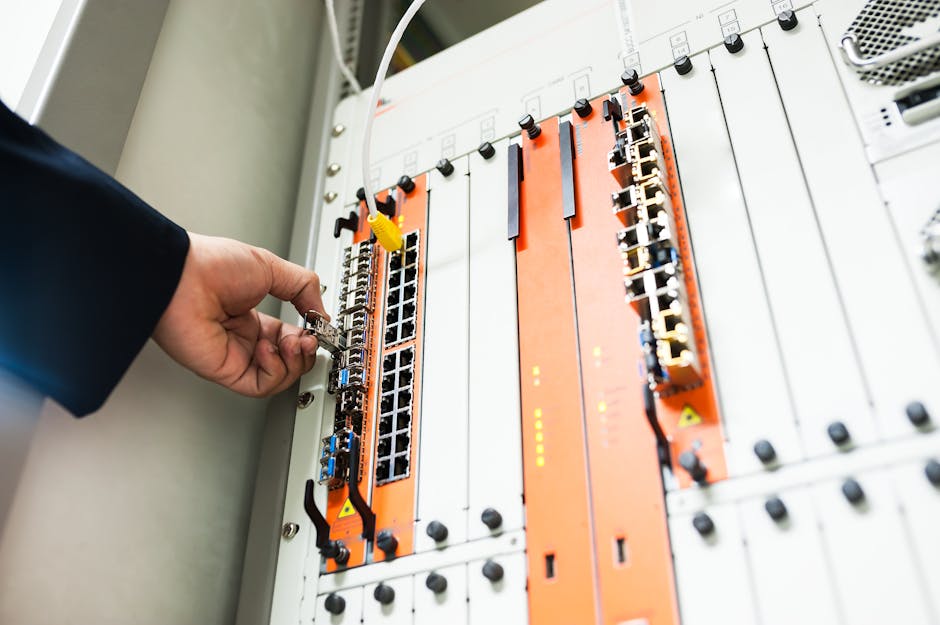
According to USTelecom, 2026 is poised to be a breakthrough year for broadband connectivity initiatives in the United States. With America celebrating its 250th birthday and gearing up for events like the Winter Olympics and FIFA World Cup, this is not just a year for milestones—it’s the beginning of monumental change for nationwide broadband infrastructure powered by policy, investment, and innovation.
Shovels in the Ground: BEAD Program Brings Ambitious Broadband Goals to Reality

The $42.5 billion Broadband Equity, Access, and Deployment (BEAD) program, first announced in 2022, officially moves from planning to implementation in 2026. This transition means that federal and private investment will shape broadband access with real-world impact, creating job opportunities while addressing connectivity gaps in underserved areas. As policymakers and industry leaders roll out the BEAD-funded projects, this marks the most significant broadband infrastructure investment in U.S. history.
However, the success of these projects will depend on streamlining federal and state permitting processes. USTelecom CEO Jonathan Spalter emphasized that timely approval of permits is critical to unlocking high-speed fiber-powered networks’ full potential.
Market Context: The Push Toward Digital Transformation
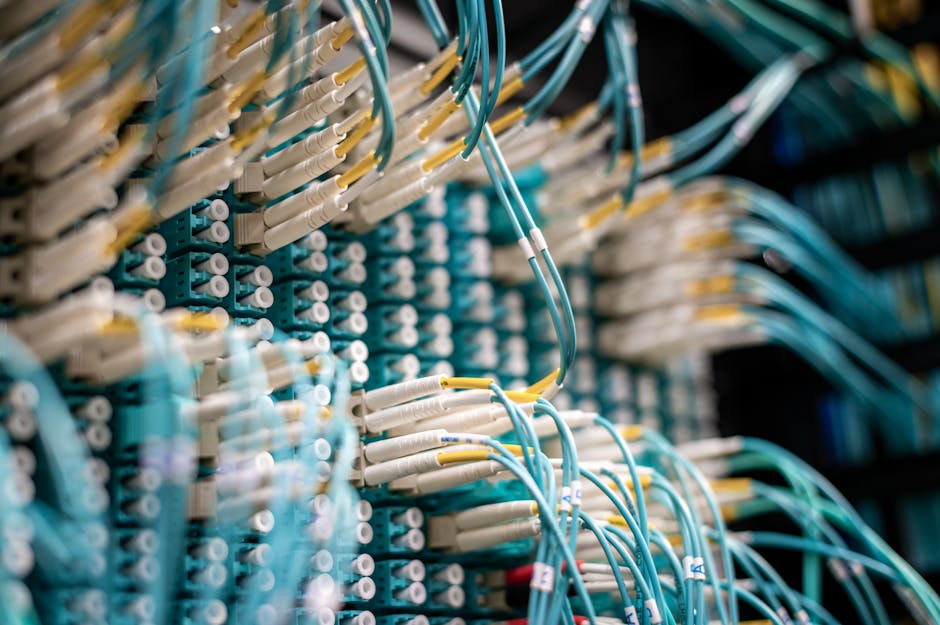
The digital divide remains one of the primary challenges facing the U.S. telecom and broadband industry. Legacy copper networks, which still exist in many areas, are increasingly becoming obsolete due to unreliable performance, security vulnerabilities, and the challenges of maintaining aging infrastructure. According to USTelecom, regulations that require providers to service outdated copper lines need to be revised to accelerate the shift to modern digital networks like fiber-optic broadband.
Fiber connectivity holds immense economic potential. Reports indicate that rural regions adopting fiber networks see an average GDP growth of up to 44%, creating opportunities in areas often left behind in the nation’s digital progress. This economic growth further amplifies the urgency of bridging the digital divide in low-density and remote communities.
The global context also adds pressure. Emerging economies are heavily investing in broadband infrastructure, particularly in Asia and Europe, where gigabit-speed internet is fast becoming the standard. If the U.S. does not modernize its networks quickly, it risks losing its competitive edge in the global economy.
Expert Outlook: Cybersecurity and Rural Development Will Be Key in 2026
Beyond infrastructure, cybersecurity is emerging as a key concern for a digitally connected America. As broadband network reach grows, threats from cybercriminals and state-sponsored hackers are increasing. According to a report by Cybersecurity Ventures, global cybercrime costs are expected to reach $10.5 trillion annually by 2025, underscoring the importance of building digital trust. USTelecom calls for multi-stakeholder collaboration among providers, government agencies, and the private sector to establish unified defenses against cyber threats.
Additionally, rural broadband development will take center stage in 2026, with a renewed focus on ensuring equality in digital access. Investments in rural connectivity won’t just benefit individuals in remote areas but will also create ripple effects, enhancing education, healthcare access, and local economies. Without progress in these areas, rural communities risk falling further behind—and taking potential economic contributions with them.
Shaping the Digital Decade

2026 is more than just another year for the telecom industry—it is a watershed moment for the future of American connectivity. The choices and policies made now will determine whether the U.S. solidifies itself as a leader in global broadband infrastructure or falls victim to stagnation. Policies that facilitate the transition to broadband, including an emphasis on fiber adoption, improved permitting processes, and stronger cybersecurity measures, will define the shape of this digital decade.
What excites you most about America’s broadband transformation in 2026? Are we doing enough to bridge the digital divide? Share your thoughts in the comments below.