Africa’s Bold Transition: From Compliance to Production Sovereignty
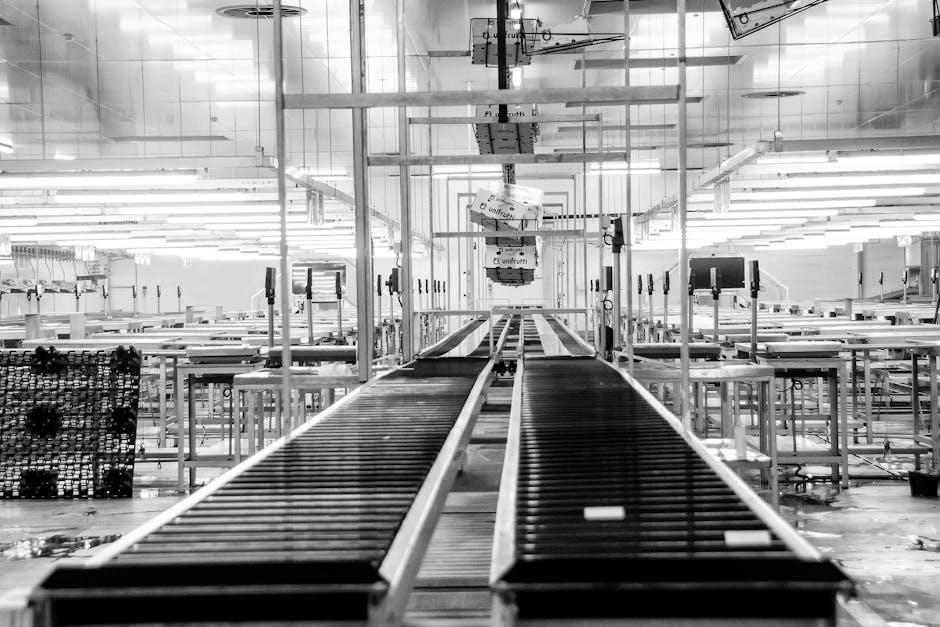
According to African Business, Africa is undergoing a transformative shift, moving away from being a mere compliance player in the global economy to achieving production sovereignty. This transition marks a significant departure from the continent’s historical reliance on exporting raw materials and importing finished goods, signaling a bold vision of growth driven by local manufacturing, technological development, and strategic policy reforms.
The Push for Production Sovereignty Across Africa

The movement toward production sovereignty is driven by several factors, including the decline in foreign aid, notably USAID, and the urgent lessons learned during the COVID-19 pandemic, which highlighted vulnerabilities in global supply chains. Governments across the continent are instituting impactful measures to shift the economic narrative.
For example, in Nigeria, the 2025 Tax Reform Act eliminated corporate income tax for small manufacturers and introduced a 5% tax credit for machinery investments, empowering local production. Meanwhile, Kenya launched its ambitious Bottom-up Economic Transformation Agenda (BETA), establishing County Aggregation and Industrial Parks (CAIPs) to process agricultural produce locally. Similarly, Rwanda revised trade policies, reducing import duties for raw materials in textiles while increasing tariffs on second-hand imports to protect homegrown industries.
Industries across Egypt, Ethiopia, and Guinea are also undergoing crucial reforms. Egypt’s “Golden License” initiative reduces bureaucratic hurdles, while Ethiopia is intensifying import substitution in its industrial parks. Guinea, holding 25% of global bauxite reserves, has enforced policies requiring foreign companies to invest in local alumina production or face penalties.
Market Context: Why This Transition Matters

Production sovereignty is more than just an economic goal; it reflects Africa’s growing desire to build resilience against global disruptions. By fostering local resource processing, innovation ecosystems, and supply chains, African nations are rewriting their roles in global markets.
The African Continental Free Trade Area (AfCFTA), which connects a $3.5 trillion market, is central to this transformation. By developing domestic manufacturing and infrastructure, continent-wide trade integration deepens, reducing dependency on foreign imports. Furthermore, this shift signals a clear message to global corporations: Africa is now prioritizing partnerships that invest in local capacity-building over extractive economic models.
Industries such as pharmaceuticals, textiles, and tech are already benefiting. In health, the Africa CDC’s push for sovereignty demands that global vaccine providers source at least 30% of their supplies from African producers. Similarly, efforts in digital infrastructure, such as Nigeria’s investment in large language models, aim to counter growing concerns over “data colonialism.”
Future Outlook: A Game-Changer for Africa

Africa’s demographic dividend—an estimated 1 billion youth under 25 by 2050—represents its strongest asset. However, achieving production sovereignty requires aggressive and unified policy alignment, continental frameworks, and strategic investments.
Experts argue this shift will position Africa not just as a consumer market but as a global production powerhouse. Marcus Courage, CEO of Africa Practice, notes, “The time for incremental gains is over. African governments must maintain an offensive approach to drive unified productive growth.” Global industries are now being compelled to reassess their strategies, with African leaders ensuring that local industries benefit from technology transfer, jobs, and equitable growth.
While challenges persist, particularly around financing industrial ventures and balancing short-term reliance on imports with long-term sovereignty goals, the momentum is undeniable. Africa’s ambitious turn toward sovereignty could redefine its global economic narrative.
What’s Your View?

As Africa charts its path to production sovereignty, the implications for global trade and industrial investment are immense. Will multinationals adapt to these transformative policies, or will Africa’s path pave new south-south trade alliances? Join the conversation.
Original article source: African Business.