Telkom Indonesia Restores Sumatra Telecom Services After Devastating Floods
According to Developing Telecoms, Telkom Indonesia has successfully restored telecom services across the flood-stricken Sumatra region, reaching an availability rate of 99.9% as of the first week of January 2026. The restoration covers Aceh, North Sumatra, and West Sumatra, which suffered catastrophic damages from floods and landslides starting November 2025. This milestone marks a critical step towards recovery after what government reports call one of the deadliest natural disasters in recent history.
Telkom Indonesia’s Approach to Service Restoration

Telkom employed a multifaceted strategy to bring its services back online, utilizing Wi-Fi access points, mobile and satellite-based internet stations, mobile generators, and backup power systems. Enhanced transmission and access networks enabled connectivity even in highly inaccessible regions. In particular, Aceh—where all 289 sub-districts now have at least one active telecom site—was among the hardest-hit areas.
To further support displaced communities, Telkom has provided free managed Wi-Fi services at Danantara Housing sites in the Aceh Tamiang Regency. These temporary housing facilities are equipped with high-speed internet at 100 Mbps capacity, crucial for communications in rebuilding efforts.
Additionally, Telkom Group reported a substantial financial contribution of IDR123.23 billion (around US$7.3 million) towards disaster recovery. These funds supported free internet posts, healthcare services, public kitchens, psychosocial support, and compensation programs for affected customers.
Understanding the Broader Context: Why This Matters

The Sumatra floods left a grave toll, with over 1,140 fatalities, more than 100 missing persons, and 166,000 homes damaged, as confirmed by government data. With ongoing rescue and relief operations, telecommunications infrastructure plays a pivotal role—not only in facilitating emergency response but also in helping displaced families reconnect with loved ones.
Telkom Indonesia’s rapid response underscores the criticality of resilient telecom networks in disaster-prone regions. The restoration of services in Aceh, North Sumatra, and West Sumatra not only supports immediate crisis management but also ensures continuity for local businesses, schools, and healthcare systems dependent on digital connectivity.
In comparison, other regional telecom operators may face increased scrutiny regarding their disaster-readiness, as weather-related vulnerabilities become more prominent in Southeast Asia. Telkomsel’s restoration success could serve as a model for global telecom providers operating in disaster-prone areas.
Expert Analysis: Telecom Resilience Is Now a Non-Negotiable
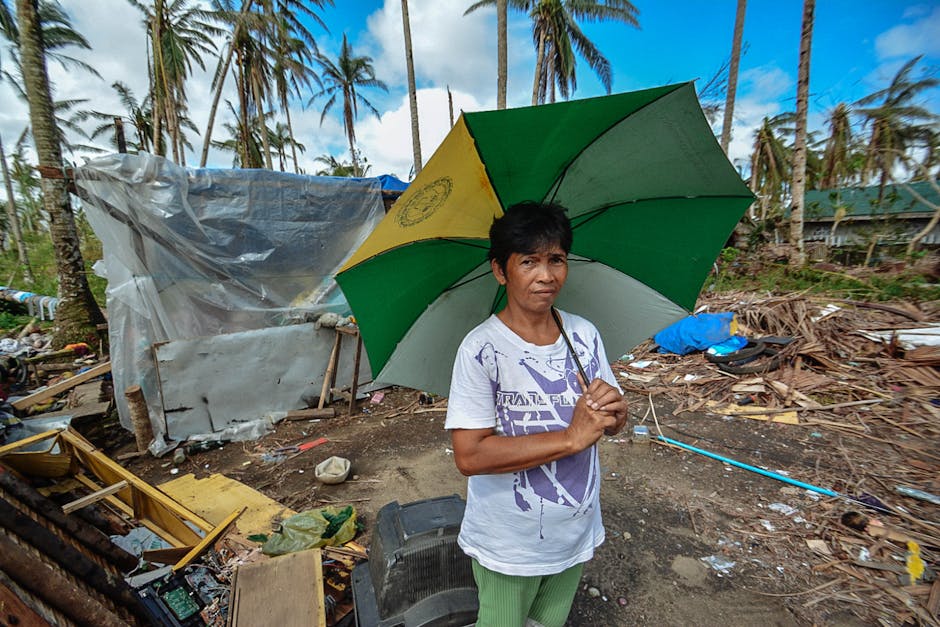
Industry watchers emphasize that Telkom’s disaster management approach shows how proactive infrastructure investments can mitigate risks in volatile regions. “Natural disasters remind us of the importance of maintaining robust backup systems,” says telecom analyst Arya Trisna from Jakarta-based STL Research. “Telkom’s use of satellite internet, backup power, and mobile stations not only restored service but also sustained essential services like healthcare and education.”
As climate change fuels extreme weather events, the telecom industry in Indonesia and beyond will likely experience increased pressure to strengthen networks and adopt advanced technologies like IoT sensors to predict infrastructure vulnerabilities. For Telkom, this restoration effort solidifies its reputation as a national leader in both connectivity and disaster resilience.
Telkom’s Path Forward
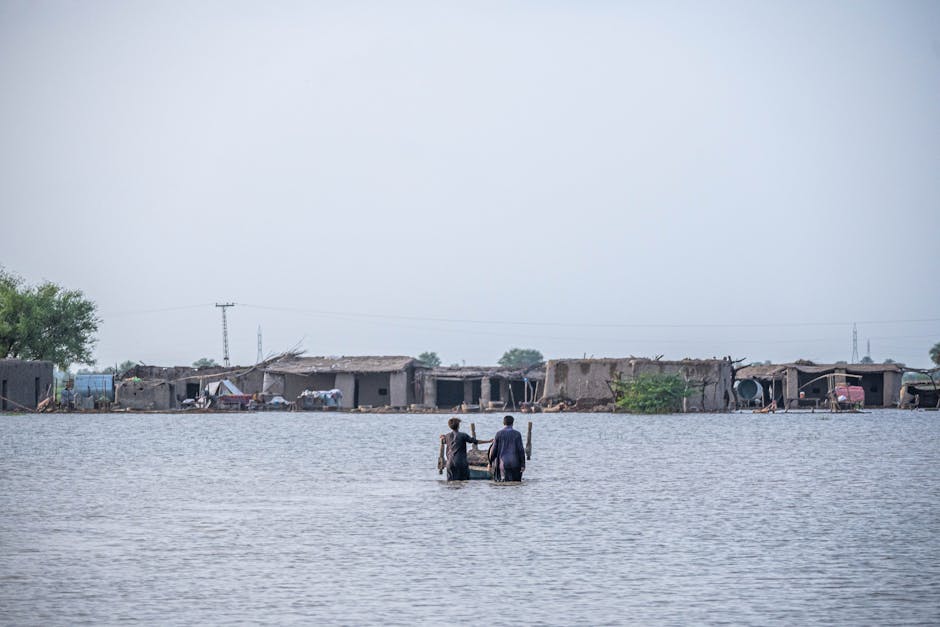
Looking ahead, Telkom is well-positioned to deepen its role in Indonesia’s national disaster management strategy. Analysts predict an increased focus on scalable emergency response infrastructure, including autonomous networks, faster satellite deployments, and real-time mapping solutions. Additionally, Telkom’s demonstrated commitment to affected customers could bolster customer loyalty and set new benchmarks for community-focused innovation in telecom services.
What do you think? How should telecom providers worldwide adapt to similar large-scale disasters? Share your thoughts in the comments below.
Read the original article on Developing Telecoms.