The Fall of Multilateralism: How the Global Order is Shifting Towards ‘Might is Right’

According to African Business, the global order that has underpinned international relations since the end of World War II is under significant strain, with emerging challenges questioning the very tenets of multilateralism. The adoption of a ‘might is right’ approach by powerful nations is increasingly eroding the rules-based world order, raising concerns about the future of global governance.
The Shifting Sands of Global Politics

The erosion of the post-war order, characterized by institutions such as the United Nations, highlights the emergence of near-hegemonic behavior by leading global powers. This trend was exemplified by the Trump administration’s direct military intervention in Venezuela in 2025, which raised serious questions about the breakdown of international norms.
Key structural weaknesses such as the veto power structure in the UN Security Council are emblematic of why effective multilateralism is waning. Despite having 193 member states, decision-making often reflects the interests of five permanent members, resulting in gridlock and inadequacy in addressing issues such as the conflicts in Gaza, Ukraine, and Sudan.
Implications for the Global and Telecom Markets
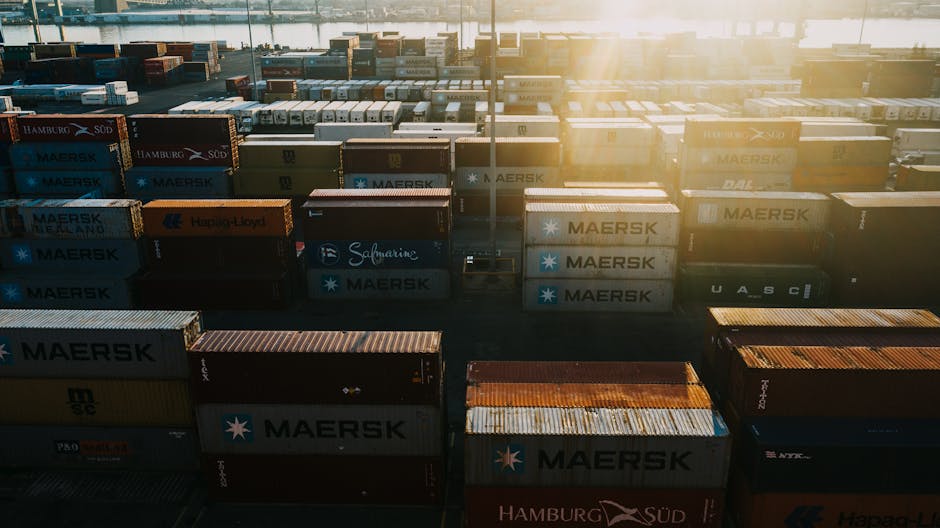
The breakdown of multilateral coordination impacts not just politics but also key sectors including telecom, technology, and trade. According to the International Telecommunication Union (ITU), connectivity in emerging markets—once a shared priority for global players—is now stagnating as geopolitical competition supersedes collaborative initiatives.
With the rising influence of China and India in the tech and telecom sectors, the global power shift is palpable. For instance, as Western powers implement stricter import/export policies to protect intellectual property, China’s Belt and Road Initiative includes projects to boost telecom infrastructure in underserved regions, such as Africa and Southeast Asia. These efforts may create economic alliances that bypass traditional Western partnerships.
What This Means for the Future

Experts argue that if unchecked, the dissolution of multilateral norms could give rise to a fragmented global order defined by more regional alliances and economic blocs. Vijay Makhan, author and former diplomat, highlights the need for urgent reforms at the United Nations, including expanding Security Council permanent membership to involve nations like India, Brazil, South Africa, and Japan. These changes would better reflect 21st-century geopolitical realities and potentially foster a more inclusive multilateral framework.
Some stakeholders propose radical measures such as modifying veto powers, introducing a rotation-based permanent membership system, or implementing counter-veto mechanisms to reduce deadlock in decision-making processes.
Is There Hope for a New Era of Multilateralism?

While the current transformations are destabilizing, they also present opportunities to reimagine a new global order. Organizations and governments need to innovate beyond the traditional framework. The transformation of global telecom markets, driven by new technologies like 5G, AI, and satellite internet, underscores the value of cooperation over conflict.
The integration of small island developing states and other underrepresented regions into international decision-making structures will be crucial. Moreover, emerging economies leveraging their market strength might lead to unexpected alliances capable of countering hegemonic trends.
The new norm must aim to prioritize mutualism, balance power disparities, and ensure both developed and developing nations have a voice at the table. Whether or not global actors will embrace such reforms to revive multilateral cooperation remains to be seen.
Final Thoughts

The developments worldwide indicate that ‘might is right’ is no longer a warning but a reality. With multilateralism nearing the brink of extinction, the central question is whether the world’s leaders can step up and reform institutional structures before it’s too late. What do you think—can a world order based on cooperation still prevail in an increasingly fragmented global landscape?
Source: African Business.