Namibian Graphite Mine Restart Fuels Global Battery Boom
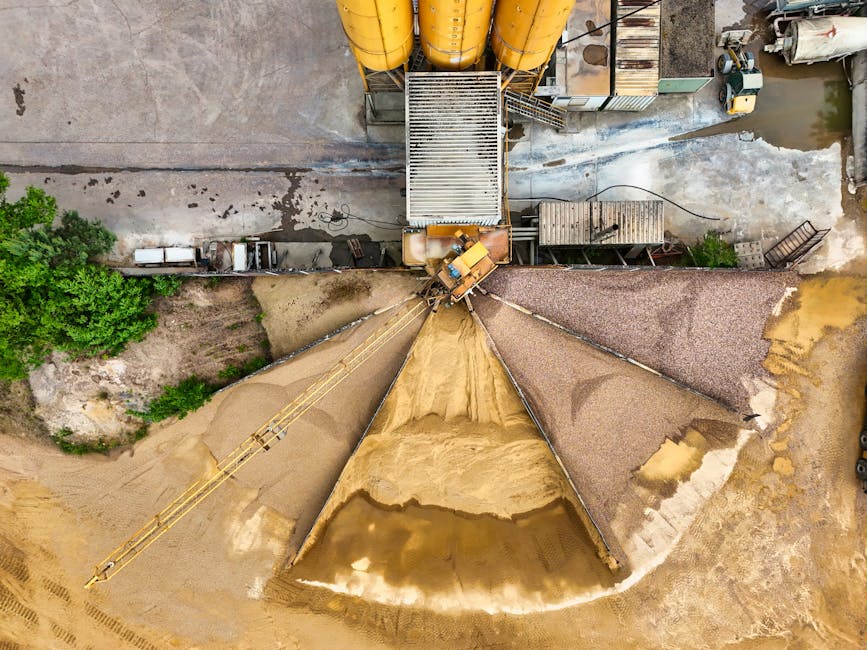
According to African Business, Canadian mining firm Northern Graphite plans to restart operations at the Okanjande mine in Namibia by the end of 2027, supplying crucial graphite to a Saudi-based battery anode material (BAM) facility. This development aligns with global surges in demand for electric vehicle (EV) batteries and renewable energy storage systems.
The Okanjande Mine’s Revival: Key Details
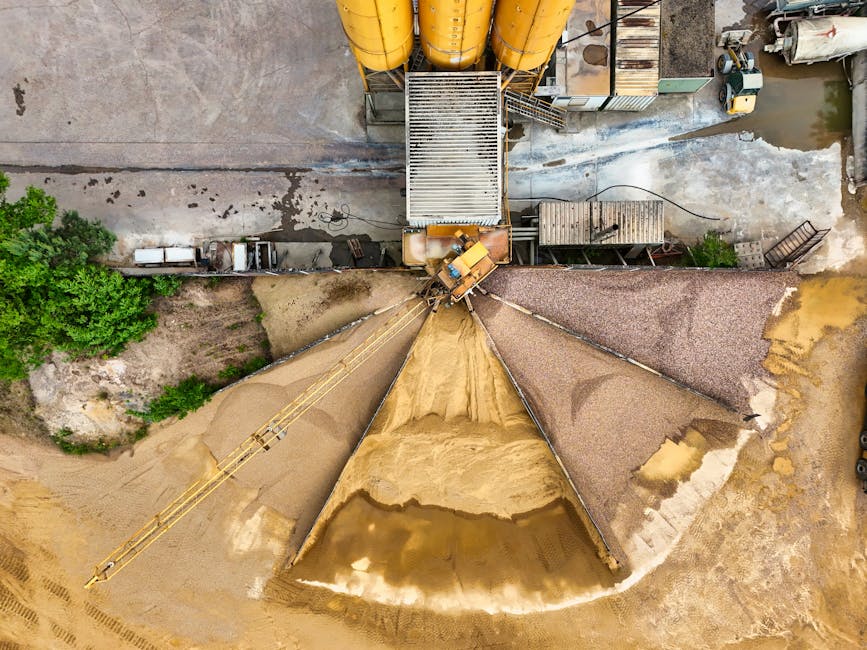
Okanjande, once operational, will produce 50,000 tons of graphite concentrate annually. Northern Graphite’s $35 million reinvestment into the mine includes constructing a new tailings dam, implementing solar energy solutions, and improving water facilities. Expected to generate between 200 to 300 jobs locally, Okanjande is vital for turning raw materials into higher-value battery components. Graphite concentrate from this mine, refined to 96-97% purity in Namibia, will undergo further processing in a $200 million facility in Yanbu Industrial City, Saudi Arabia. This BAM plant will act as a linchpin for high-performance batteries used worldwide.
Market Context: The Rising Demand for Critical Minerals
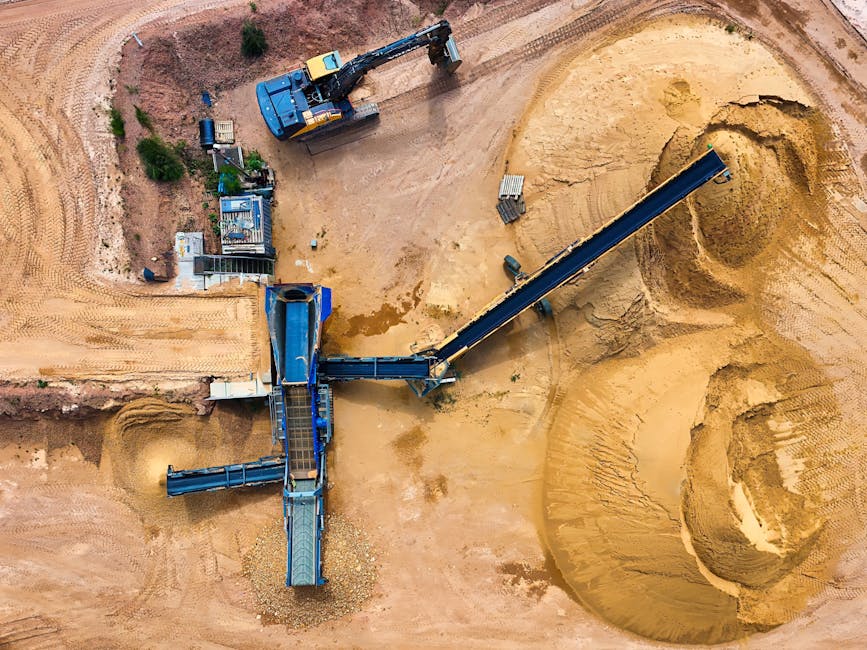
The restart of the Okanjande mine highlights the increasing global reliance on critical minerals. The graphite market was valued at $15.6 billion in 2022, with projections surpassing $25 billion by 2030 due to the growing EV market and renewable energy policies. Namibia’s resource wealth positions it among key African countries poised to meet this demand, although Northern Graphite has opted not to establish advanced processing facilities locally due to infrastructure limitations. In contrast, Saudi Arabia offers superior industrial resources, including energy and raw chemical supply chains, crucial for large-scale operations like BAM production.
Future Outlook: Competitive Edge and Industry Implications
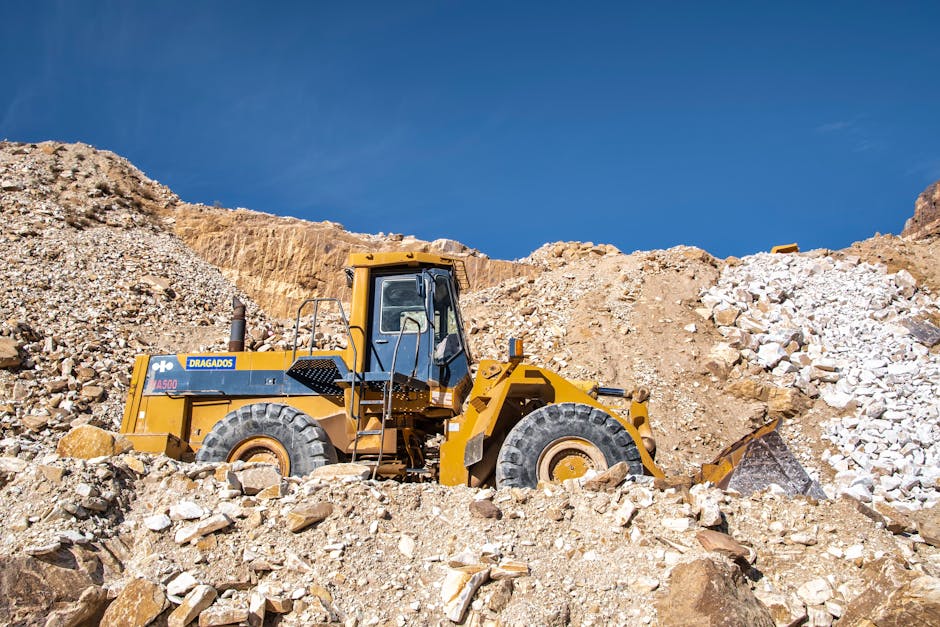
This collaboration between Northern Graphite and Saudi Arabia’s Al Obeikan Group exemplifies the evolving dynamics of global mineral supply chains. By securing financing and leveraging Saudi Arabia’s infrastructure, the project bypasses challenges such as Namibia’s limited electricity supply (the BAM plant alone will require 68 MW) and resource shortages. However, competitors such as Syrah Resources, operating in Mozambique, and emerging players in North America might pressure Northern Graphite to expand its value chain further in mineral-rich African regions. As governments worldwide incentivize the localization of resource processing, initiatives like the Okanjande-Saudi BAM partnership could face increasing scrutiny for bypassing local manufacturing opportunities.
In the broader context of industrial dynamics, Namibia’s role as a supplier of non-processed critical minerals raises questions about whether African nations can effectively transition from exporters of raw materials to producers of higher-value goods. Experts note that as Africa develops its industrial base, robust policy frameworks must address the imbalance in raw material exportation versus localized processing and manufacturing capabilities. Global competition for strategic minerals like graphite will inevitably play an outsized role in determining how this balance evolves.
Conclusion

With demand for battery materials surging, Northern Graphite’s investment in Namibia exemplifies the strategic importance of critical mineral supply chains. While the move elevates Namibia’s status as a graphite supplier, infrastructural challenges highlight the broader hurdles Africa faces in realizing its industrial potential. Could projects like this serve as steppingstones for deeper investments in domestic value chains, or will the continent remain a source of raw exports? Share your thoughts in the comments below!