Enterprise eSIM Rollout: Why Scaling Connectivity Requires IT, Finance, and Security Alignment
According to Alertify, implementing enterprise eSIM solutions at scale is less about technology and more about collaboration between IT, Finance, and Security teams. While eSIM technology eliminates the hassle of physical SIM cards, ensuring seamless scalability across an organization requires planning, governance, and ongoing lifecycle management.
Understanding Enterprise eSIM: The Key Components

Unlike consumer travel eSIMs, which are designed for individual users, enterprise eSIMs prioritize scale, security, and policy-driven management. The rollout process incorporates centralized provisioning, real-time control, and policy creation tailored to specific organizational needs.
For instance, platforms like SureSIM provide tailored solutions built for IT teams and Managed Service Providers (MSPs). These include features like policy profiles, cost management tools, and lifecycle automation to ensure smoother implementation. This modular approach allows businesses to align connectivity services with operational efficiency and expense visibility.
However, successful implementation demands more than just a technology upgrade. It requires a framework for translating eSIM connectivity into measurable outcomes, such as fewer IT support tickets, budget predictability for Finance, and a reduced attack surface for Security. Companies need to move from managing connectivity as a tactical expense to treating it as a managed service complete with defined KPIs and return on investment (ROI).
Why This Matters: Industry Implications and Market Context

The global eSIM market is projected to grow from $4.55 billion in 2023 to over $16 billion by 2030, according to various market studies. As telecom providers, enterprise mobility management vendors, and IT teams invest in this technology, the benefits in cost reduction, streamlined management, and enhanced security are undeniable.
Yet, adoption is uneven across industries. While sectors dealing with heavy international travel—like financial services, consulting, and tech—are early adopters, others remain hesitant due to perceived complexity. The challenge for providers like SureSIM is persuading enterprises to see eSIM as the foundation of modern mobile workforce enablement rather than just a convenience tool.
For large organizations with mixed device fleets and mobile employees spanning multiple geographies, unmanaged connectivity often results in cost overruns from unused lines, excessive roaming charges, and compliance risks. Enterprise eSIM solutions mitigate these pains by ensuring connectivity is streamlined, secure, and scalable.
Competitors in the enterprise mobility space, such as AirWatch and Microsoft Endpoint Manager, are starting to incorporate eSIM management, recognizing its role in the future of connected workplaces. Meanwhile, telecom operators are rethinking their service structures to cater to enterprise eSIM, competing with independent platforms like SureSIM.
Future Outlook: Expert Perspectives on Scaling eSIM

Scalability is the ultimate litmus test for eSIM adoption. Experts agree that enterprise eSIM success hinges on three pillars:
- IT Enablement: Simplified lifecycle management must reduce tickets and provide real-time provisioning tools. Platforms like SureSIM achieve this by allowing IT to automate connectivity, freeing up time for more strategic tasks.
- Finance Alignment: Implementing clear policies and consumption caps allows Finance teams to forecast costs, reducing variability. This fosters buy-in across departments, especially when savings emerge from reduced roaming fees and optimized subscription plans.
- Security Assurance: Centralized control reduces entry points for malicious actors. By linking connectivity to role-based access controls, enterprises can limit unauthorized usage and improve incident response times.
However, piecemeal adoption can quickly degrade these benefits. Organizations must regularly calibrate their eSIM policies and use analytics to understand behavior trends. Without ongoing management, the solution risks becoming another bloated enterprise system.
Analysts predict that enterprises treating connectivity as a managed service will position themselves better to handle emerging technologies such as private 5G networks and IoT fleets. The transition toward eSIM-oriented platforms, particularly in industries dependent on mobile-first environments, will likely be a critical competitiveness factor in the coming decade.
Conclusion: Is Your Enterprise Ready for eSIM?
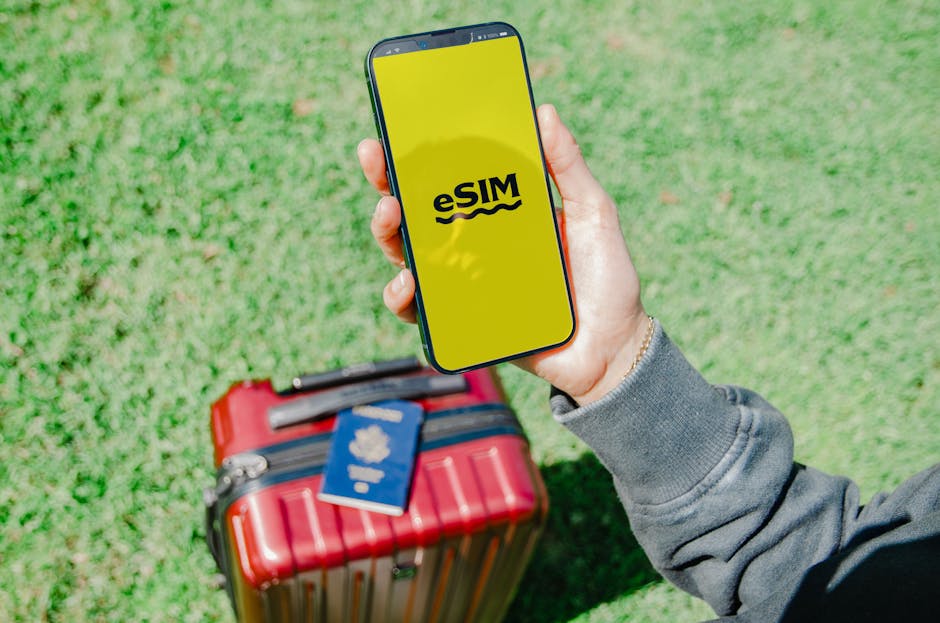
Enterprise eSIM technology has proven its potential to transform how organizations manage connectivity for their mobile workforces. Platforms like SureSIM demonstrate that IT teams no longer need to compromise between scalability and manageability while catering to Finance and Security concerns.
The takeaway is clear: successful eSIM rollouts don’t happen in isolation. They require IT, Finance, and Security to align priorities and leverage platforms purpose-built for enterprise needs. Without this collaboration, organizations risk chaotic rollouts that erode user trust and negate cost-saving objectives.
Is your organization future-ready to scale enterprise eSIM? Let us know your thoughts in the comments below!
Source: Alertify