How Morocco’s Water Innovation Provides a Model Amid Africa’s Growing Water Crisis
According to African Business, North Africa’s water infrastructure innovations, particularly in Morocco, are setting a precedent for tackling the continent’s growing water scarcity challenges exacerbated by climate change. With projects like advanced desalination plants, water recycling systems, and large-scale “water highways,” Morocco is leading efforts to develop sustainable water solutions, which other African nations may replicate.
Morocco’s Desalination and Water Management Strategies

Morocco has rapidly modernized its water infrastructure to combat the critical effects of climate change, which have reduced the nation’s water capacity by 30% since the 1980s. At the heart of their strategy is a significant expansion of desalination. The country increased its desalination capacity from 35 million cubic meters in 2021 to 350 million cubic meters today, with the aim of hitting 1.7 billion cubic meters by 2030. Minister of Equipment and Water, Nizar Baraka, highlighted that these plants will rely entirely on renewable energy sources like solar and wind, reducing the cost of desalinated water to $0.40 per cubic meter—50% cheaper than traditional processes.
In addition to desalination, Morocco has implemented large-scale water recycling systems. The $1.5 billion Marrakech wastewater treatment facility, operational since 2011, not only supports irrigation but recycles water for green spaces and industrial uses, such as phosphate processing by OCP, the country’s mining giant. Furthermore, the country initiated its “water highway” system, transferring water from surplus areas to drought-hit regions. By 2035, Morocco plans to expand this network to 400 kilometers, a move that some experts say could hold transformative potential across sub-Saharan Africa.
Africa’s Water Crisis and Emerging Solutions
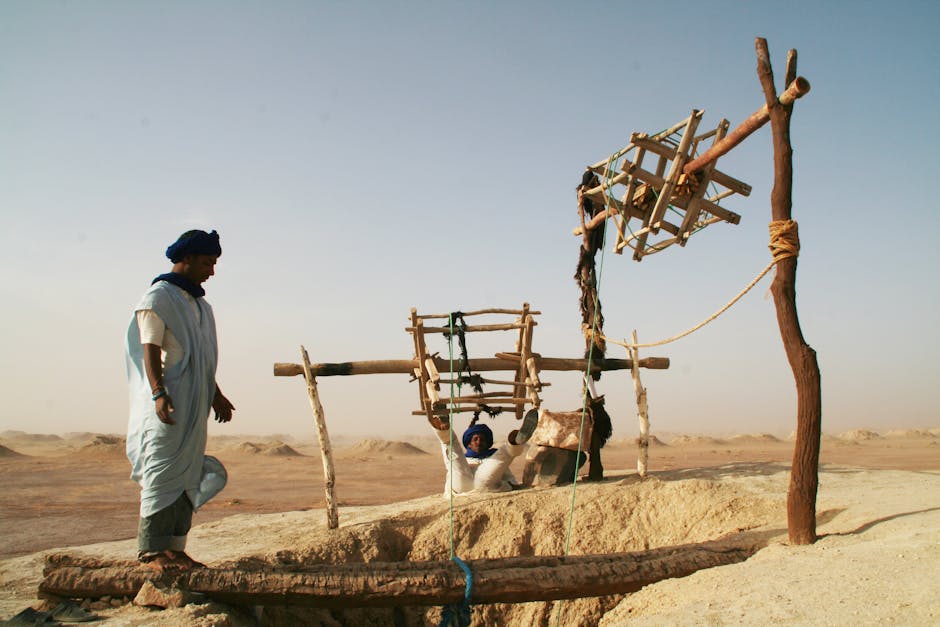
With Africa’s water demands projected to outpace supply due to climate change and population growth, Morocco’s approach presents replicable solutions. The UN estimates that by 2030, 4.8 billion people globally—including millions in Africa—will face risks to health and livelihoods from poor water quality. Sub-Saharan Africa, where nearly 400 million people lack access to safe drinking water, faces water-related vulnerabilities ranging from food insecurity to economic stagnation.
However, many African nations struggle to implement large-scale water projects due to limited capital and reliance on international donors. Rachel Cardone, director of strategy at the Resilient Water Accelerator, emphasizes the need for Africa-led financing models. Nations like Senegal are starting to embrace investments in desalination and wastewater systems with international partnerships. For example, Senegal recently signed a deal with Saudi-based ACWA Power to build a facility in Dakar capable of supplying 400,000 cubic meters of water daily.
“Africa must transition from donor dependencies to mobilizing domestic funding and public-private partnerships to scale up water innovations that address both supply and demand,” Cardone noted.
Global Lessons and the Road Ahead

Experts argue that North Africa provides a blueprint for integrating robust infrastructure with innovative financing mechanisms. Youssef Brouziyne, Middle East and North Africa representative of the International Water Management Institute, suggests that regulatory overhauls and public-private partnerships encourage investments in large-scale water projects. For instance, Moroccan engineering firm SGTM has not only led local projects but exported its expertise to Cameroon and Burkina Faso.
However, challenges remain. Some water megaprojects, such as dams, face criticism over evaporation losses, as seen at Lake Nasser in Egypt, where up to 16 billion cubic meters of water evaporates annually. Experts caution that while scaling water projects is essential, addressing demand—through water-efficient agriculture, industrial sustainability, and residential conservation—is equally critical.
“It is good to expand the supply infrastructure but managing demand through awareness and technology is equally vital,” Brouziyne remarked.
What’s Next for Africa?

The growing success of Morocco may serve as a wake-up call for other African governments to prioritize water security. Leveraging renewable energy, local expertise, and private-sector investments could provide scalable solutions to the region’s pressing water crises.
What do you think? Can Morocco’s water management innovations be effectively replicated in other parts of Africa? Share your thoughts in the comments below.
Original Source: African Business