How Subsea Fiber-Optic Networks Are Powering the Global AI Economy
According to Nokia, the expansion of subsea fiber-optic networks is playing a critical role in enabling the growth of artificial intelligence (AI) and cloud services worldwide. These high-capacity networks serve as the backbone for digital infrastructure, ensuring low-latency, high-reliability connectivity for data centers globally. With AI workloads expanding across industries, the importance of fiber technology has never been more strategic, especially as it facilitates equitable access to digital ecosystems and accelerates global participation in the AI economy.
The Growing Importance of Subsea Fiber Technology
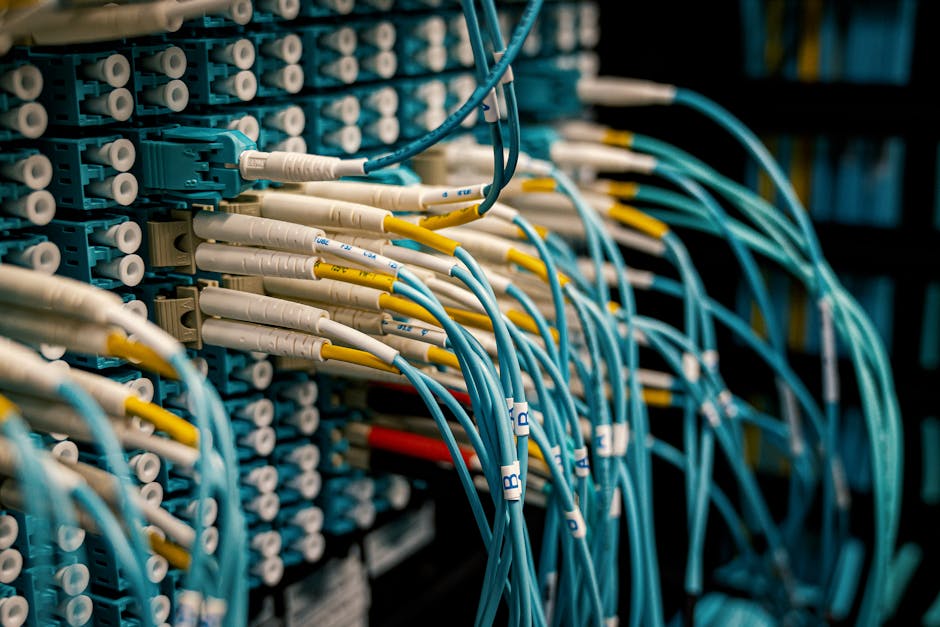
Subsea fiber-optic networks are a vital component of modern connectivity, carrying over 99% of international internet traffic. Today, more than 570 subsea cables form a global digital web, linking continents and empowering businesses, users, and systems to access cloud and AI platforms seamlessly. Notable projects, such as the Medusa submarine cable system connecting Europe and North Africa, or the Bangladesh Private Cable System creating the country’s first private global on-ramp, underscore how these infrastructures not only boost capacity but also close regional digital divides.
Additionally, new routes like the Jakarta-Singapore subsea cable by PT Solusi Sinergi Digital Tbk aim to deliver affordable high-speed broadband to underserved communities, benefiting millions of people in Indonesia. With subsea bandwidth demand expected to grow at an annual rate of 30%, fiber operators and cloud providers are innovating toward not just higher capacity but better end-to-end integration of networks to meet AI-era demands.
Market Implications: Why Fiber is Essential for the AI Era

The fiber-optic revolution is redefining how international networks are designed. The shift from traditional telecom node-to-node traffic to dense, high-capacity data center interconnection highlights a structural change in the industry. As of 2023, the world hosts over 11,000 data centers—including more than 1,000 hyperscale facilities—that generate thousands of petabytes of daily traffic. This growing dynamic makes unified, end-to-end optical networks a prerequisite for scaling AI applications.
Key players such as Nokia are leading innovations in unified network designs that eliminate traditional boundaries between subsea and terrestrial systems, enabling seamless data flow. By leveraging technologies like optical pass-through and spectrum expansion into C+L bands, operators can double per-fiber capacities while reducing costs. Such advancements not only benefit hyperscale cloud providers but also impact competitors in telecom and satellite by raising the bar on speed, efficiency, and sustainability.
The Future of Subsea Networks: Expert Insights and Trends
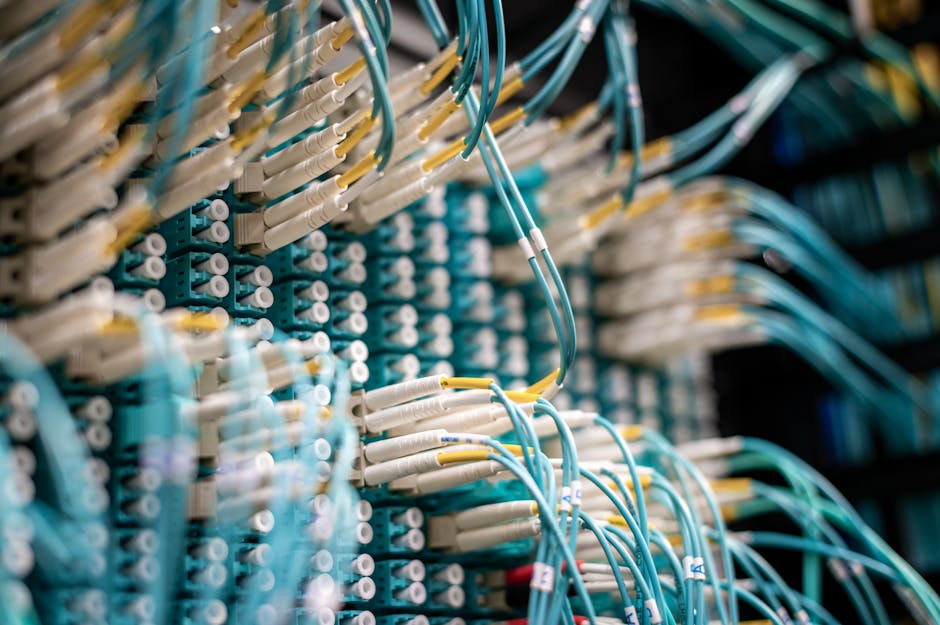
Emerging innovations in fiber technology, driven by AI and automation, promise to further transform the industry. Nokia’s 1830 Global Express platform already supports ultra-high-speed data transport at 800G capacity over trans-oceanic distances, using cutting-edge techniques like Probabilistic Constellation Shaping and continuous baud rate tuning to reach theoretical performance limits. The introduction of pluggable coherent optics, such as ICE-X 800G, offers scalability by enabling 400G, 600G, and even 800G wavelengths over spans exceeding 4,000 km—transforming economic models for trans-Atlantic connectivity.
Additionally, fiber sensing technologies powered by machine learning are emerging as a game-changer, turning existing infrastructure into distributed systems that monitor security, network integrity, and performance in real time. These capabilities will enable operators to build smarter, more resilient, and predictive networks, setting the stage for further integration of AI into network management.
As investments in subsea and terrestrial network unification continue, the industry is poised for a transformative phase of connectivity that emphasizes sustainability and accessibility. With companies like Nokia fortifying their position as key global players, the next wave of fiber advancements will define how communities, enterprises, and nations participate in the AI economy.
What Does This Mean for the Future?

Fiber optics is becoming the strategic control point for value creation in the AI era. As the reliance on digital infrastructure grows, fiber networks will become the enabler of not only cloud and enterprise ecosystems but advanced rural connectivity, reducing global digital inequality. With operators increasingly adopting unified architectures, the cost-efficiency and reach of such networks will define winners in the competitive telecom, cloud, and satellite markets.
Do you think unified subsea and terrestrial networks will drive global adoption of AI, or will competing technologies like satellites bring new surprises to the marketplace? Share your thoughts below!