Telecom Industry Under Siege: Insider Threats Dominate Cybersecurity Landscape
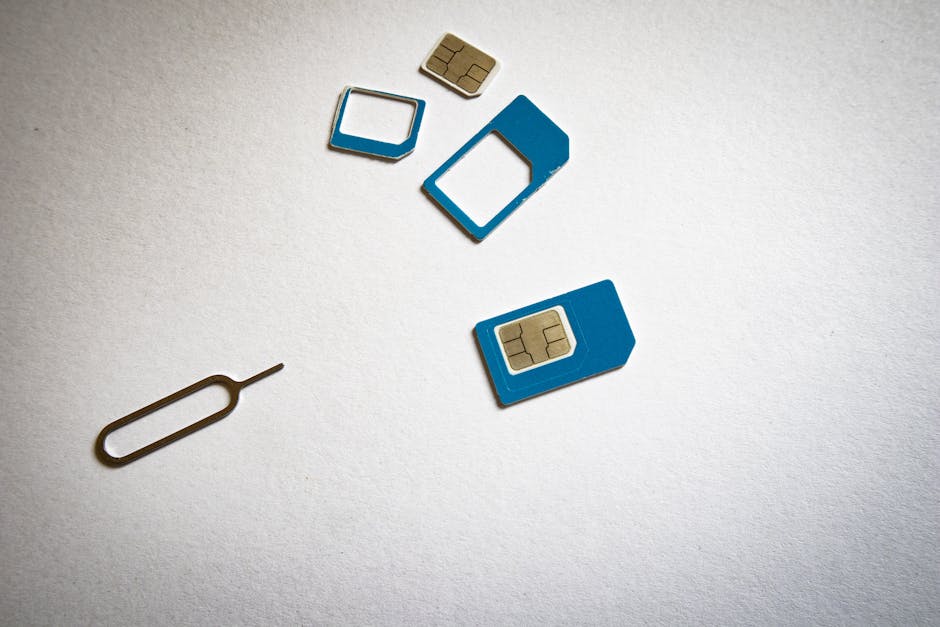
According to Telecoms Tech News, the telecom industry accounted for a staggering 42% of insider-related cyberattacks in 2025, highlighting a major vulnerability in security frameworks. These attacks often centered on the recruitment of telecom employees to facilitate SIM swapping and unauthorized data access, exploiting the industry’s critical role in identity verification.
The Depth of Insider Threats in Telecom

Insider threats have emerged as one of the most concerning cybersecurity challenges for the telecommunications sector. Flashpoint’s 2025 data revealed 91,321 instances of insider recruitment, advertising, and illicit discussions, positioning telecom at the epicenter of this activity. The sector’s gatekeeper role in validating identities makes it particularly attractive to cybercriminals.
SIM swapping has proven to be a costly consequence of these insider activities. By compromising carrier employees, attackers gain control over victims’ phone numbers, enabling access to financial and corporate accounts protected by two-factor authentication. Flashpoint monitored 17,612 unique participants across 10,475 illicit channels throughout 2025, with platforms like Telegram serving as central hubs for these exchanges.
Industry Implications and Market Context

The telecoms industry’s vulnerability to insider threats isn’t just a sector-specific problem—it has broader implications for the global economy and related industries like finance and technology. While carrier employees were the most frequent suppliers of insider access, demand came from actors targeting high-value industries such as financial services and fintech organizations.
These trends underscore the rising costs of cyberattacks. According to IBM’s 2023 Cost of a Data Breach Report, the average financial impact of a data breach hit $4.45 million, with telecoms bearing some of the steepest recovery costs due to their critical infrastructure role. Furthermore, as AI becomes more ubiquitous, both defenders and attackers are expected to leverage machine learning tools for detection and exploitation, creating a new arms race in cybersecurity.
These insider risks also taint customer trust. Attackers exploiting SIM swapping or data exfiltration often compromise sensitive personal data, intensifying pressure on telecom providers to prioritize continuous risk assessment. The race for operational resilience is heating up, with leaders adopting Zero Trust models and enhanced employee monitoring strategies.
What Lies Ahead: Expert Perspectives

Looking ahead, the evolving nature of insider threats means telecom operators must adapt swiftly. Analysts speculate a heavy shift toward encrypted platforms like Signal in 2026, as Telegram faces increased scrutiny. However, this migration makes oversight more challenging, demanding innovative approaches in detecting insider risks.
Experts recommend implementing continuous verification practices while leveraging advanced analytics to spot deviations in employee behavior and technical activity. For example, monitoring unauthorized device use, unusual access patterns, and anomalous network traffic can help organizations limit their exposure to threats.
Despite these challenges, advancements in AI-powered tools offer a glimmer of hope for proactive cybersecurity measures. These tools can aid in identifying early indicators of insider risk, such as shifts in financial activity or behavioral patterns among employees. However, the telecom industry’s widespread use of contractors and third-party vendors remains a potential blind spot, requiring careful oversight to avoid catastrophic breaches similar to those seen in 2025.
Summary

The alarming rise in insider cyber threats has placed a spotlight on the telecom sector’s critical need for robust and holistic security frameworks. From SIM swapping to data exfiltration, the risk posed by internal actors continues to grow in sophistication. To counter this, the industry must embrace cutting-edge AI tools, Zero Trust models, and behavioral analysis to stay ahead of evolving threats.
What do you think—is the telecom industry prepared to combat insider threats, or are significant vulnerabilities still being overlooked? Share your insights in the comments below.