Major Telecom Sector Breakthrough: Key Industry Insights You Need to Know
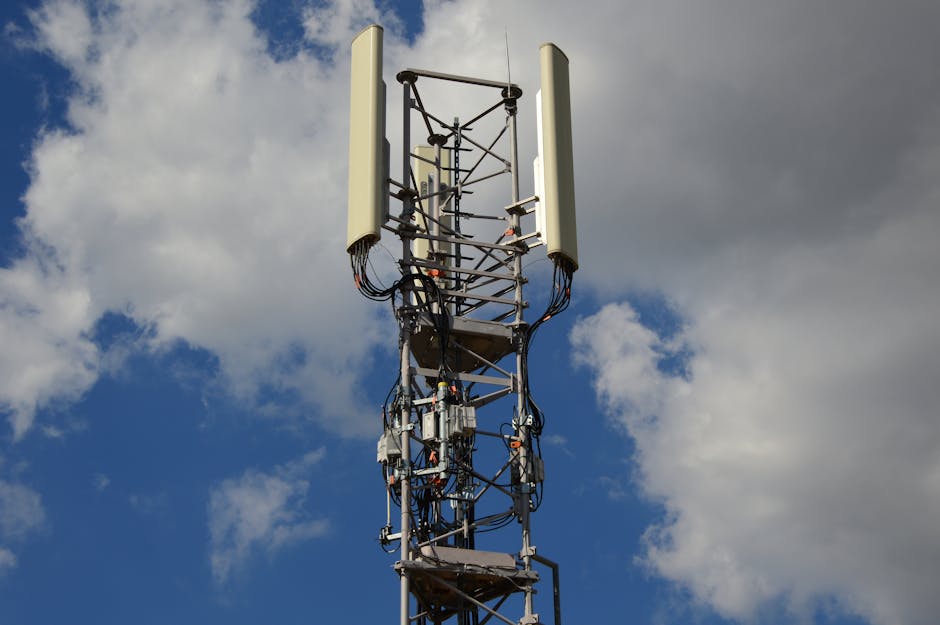
According to ETTelecom, the telecommunications industry is abuzz with significant recent developments, shedding light on key trends shaping the sector in real-time. As reported, these changes span across various industry verticals, bringing notable advancements in technology, regulation, and customer engagement strategies.
Exclusive Announcement: What Happened?

The announcement detailed in ETTelecom highlights several pivotal shifts in the industry, ranging from enhanced network capabilities to innovative customer solutions. Increasing focus on digital transformation and 5G expansion has taken center stage, with companies intensifying efforts to stand out in a competitive market. Technical advancements, such as improved fiber connectivity and automation via AI-driven platforms, are also part of the rapidly evolving landscape, promising to redefine how companies operate and customers interact with telecom services.
Furthermore, the report emphasized the increasing role of customer-centric approaches, particularly in the Indian telecommunications sector. Key players like Reliance Jio, Bharti Airtel, and Vodafone Idea have been instrumental in these transformational efforts, competing heavily on pricing, quality, and innovation to expand market share. The introduction of services tailored for enterprise clients has also gained momentum, positioning these firms effectively for future growth.
Why This Matters: Market Dynamics and Implications

The telecommunications industry is undergoing unprecedented evolution. Global telecom revenue is projected to grow to over $1.8 trillion by the end of 2024, partly driven by 5G adoption and digital integration. In India alone, the telecom sector contributes approximately 8% of the national GDP, making it one of the economy’s cornerstones. This heightened competitive landscape has pressured major telecom operators to deliver more value to customers while simultaneously optimizing operational efficiency.
With the increasing penetration of 5G services, businesses across several industries—such as automotive, healthcare, and manufacturing—are exploring how ultra-fast connectivity can streamline operations and foster innovation. This has created both opportunities and challenges for telecom providers, who must navigate significant infrastructure costs while delivering seamless service. Smaller operators may face challenges in scaling, potentially giving an edge to market leaders with deeper resources.
In addition, regulatory policies and government-led initiatives in countries like India have been instrumental in driving digital adoption. Campaigns such as ‘Digital India’ continue to prioritize last-mile connectivity and affordable services, sparking a race among providers to deliver holistic solutions across urban and rural regions.
Future Outlook: What’s Next for Telecom?

Looking ahead, the telecom industry is poised for substantial investments in advanced networking infrastructure. Market leaders are likely to focus on key areas such as the Internet of Things (IoT), edge computing, and the deployment of private 5G networks. CTOs and industry experts predict that by 2027, 5G subscriptions could hit over 4.4 billion globally, further propelling the demand for faster, more reliable networks.
Furthermore, partnerships between tech and telecom companies are expected to accelerate deployment and innovation in this space. For instance, collaborations with cloud providers like AWS, Google Cloud, and Microsoft Azure will play a role in enabling edge computing solutions for enterprises. Meanwhile, satellite-connectivity services—offered by companies such as Starlink and OneWeb—could pose new competition, especially in remote and underserved regions.
Experts stress that agility and customer-centricity will be the defining attributes of successful telecom firms. “The speed of technological change, coupled with the industry’s focus on sustainability, will redefine how companies invest in efficiency while meeting consumer demands,” noted a senior consultant at Deloitte Telecom.
The Bottom Line

The recent flurry of developments emphasized by ETTelecom underscores an industry at the tipping point of major evolution. For telecom operators, staying ahead will depend heavily on their ability to innovate rapidly and deliver on the growing expectations of customers and enterprises.
What do you think is the next big disruption the telecom industry will face? Share your thoughts in the comments below.