EBRD and Tunisie Telecom Partner on €190M Digital Infrastructure Overhaul
According to Developing Telecoms, the European Bank for Reconstruction and Development (EBRD) has partnered with Tunisia’s national telecom operator, Tunisie Telecom, to finance a €190 million (approximately $221.2 million) investment in digital infrastructure upgrades. This partnership aims to support Tunisie Telecom’s transformation and enhance its network capabilities across the country.
Massive Upgrades: 5G Transition and Fibre Expansion

The EBRD’s loan, disbursed in four tranches starting with an initial €50 million ($58.2 million), will enable strategic upgrades within Tunisie Telecom. These include transitioning the operator’s mobile network from 4G to 5G, expanding its fibre-to-the-home (FTTH) network to connect up to 200,000 Tunisian households, and modernising essential backbone and core network infrastructure.
Additionally, the funding will finance the company’s integration into the Medusa subsea cable project, a critical Mediterranean connectivity initiative spanning 8,000 kilometres. The Medusa cable, supported by the European Union (EU) and led by telecom infrastructure company AFR-IX, connects 13 countries across Europe, North Africa, and the Middle East. This move positions Tunisie Telecom for greater regional and international connectivity while boosting Tunisia’s digital economy.
Another component of the financing includes investments in energy efficiency and sustainability. A complementary €11 million ($12.81 million) EU grant under the Neighbourhood Investment Platform will support cybersecurity, technical assistance, and skills development to drive long-term transformation.
Market Context: Pushing Digital Transformation in Tunisia

Tunisia’s digital infrastructure remains underdeveloped compared to other nations in the MENA region. The EBRD’s involvement marks a shift, providing its first financing without a sovereign guarantee in Tunisia’s public sector since 2012. The loan is structured as a development-linked instrument, tethering its interest rate to milestones in sustainability and state-owned enterprise reforms, a structure designed to promote corporate and operational efficiency.
Notably, Tunisia serves as a focal point for EU investments, with the EU being the country’s largest trading partner and investor. Since 2012, the EBRD has channeled over €3 billion ($3.5 billion) into 89 projects in Tunisia. This partnership with Tunisie Telecom aligns with efforts to bridge the digital divide and improve digital accessibility for businesses and consumers alike.
The upgrades, particularly to 5G, come at a crucial time as Tunisia aims to strengthen its telecom sector and capitalize on the global trend toward high-speed mobile connectivity. Analysts suggest this move could position Tunisie Telecom as a more competitive player in a market gradually opening to digital innovation, benefitting small and medium enterprises (SMEs) and fostering economic growth.
Expert Analysis: Opportunities and Challenges Ahead
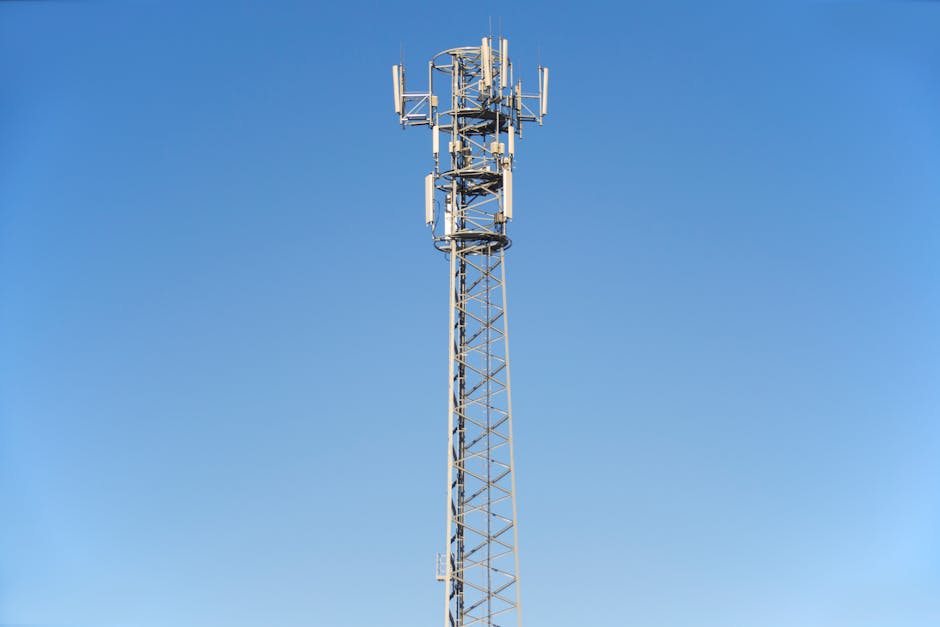
Industry experts believe this investment could significantly impact Tunisia’s standing in the regional telecom market. Transitioning to 5G and expanding fibre connectivity will provide Tunisie Telecom with the technological infrastructure to compete with private-sector players and attract regional partnerships. Moreover, the Medusa subsea cable integration secures a vital role for Tunisia in international data traffic, diversifying its digital economy and driving potential foreign investment.
However, challenges remain. Sustainability milestones and broader SOE reforms will be critical to maintaining the benefits of this investment. Additionally, cybersecurity remains a pressing issue, as both government stakeholders and telecom operators in the region grapple with increasing threats amid digital transformation.
“This partnership highlights the growing importance of sustainable and inclusive telecommunications development in emerging markets,” said a senior industry analyst. “If implemented effectively, it could accelerate Tunisia’s position as a regional leader in digitalisation and innovation.”
Looking Ahead: A Digital Transformation Milestone for Tunisia
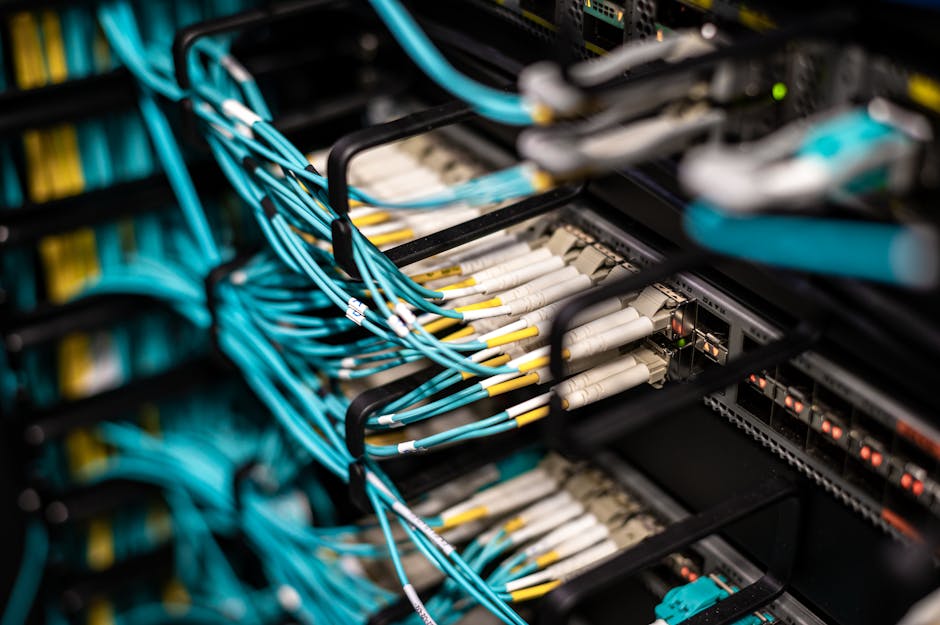
With this €190 million investment and strategic EU support, Tunisia has a unique opportunity to address gaps in its digital infrastructure while promoting broader economic growth. The involvement of the EBRD and other international stakeholders emphasizes the importance of collaborative financing models for large-scale digital transformation projects.
What do you think of Tunisia’s digital transformation journey? Could this partnership catalyze similar investments in other MENA countries? Share your thoughts below!