Airhub’s eSIM Voucher Program Revolutionizes Retail Connectivity
According to Alertify, Airhub has introduced its innovative Voucher Partner Program, transforming how eSIMs—a purely digital product—can be sold by retailers as easily as traditional top-up or gift cards. This move not only simplifies digital connectivity sales but also offers substantial benefits to companies looking for scalable, inventory-free product additions.
How Airhub’s Voucher Partner Program Works

The core of Airhub’s Voucher Partner Program lies in its simplicity and scalability. Retailers can now sell eSIM vouchers in the form of codes on paper or digital screens, eliminating the usual complexities of physical stock. This eliminates the logistical headaches associated with distribution, inventory, shipping delays, or damaged goods—common issues in traditional SIM card models. The program is powered by a centralized Voucher Management Panel, which provides retailers full control over voucher generation, tracking, and analytics.
Crucially, this program allows vouchers to integrate seamlessly into existing retail point-of-sale (POS) systems. Retailers can generate them in real-time, whether in supermarkets, airport kiosks, hotel travel desks, or electronics stores. Customers redeem these vouchers quickly through a few straightforward steps, enabling instant data connectivity without any telecom expertise required.
The introduction of customizable voucher bundles means businesses can cater regionally to travelers. For example, a hotel can offer “Global 1GB Guest Bundles,” while a travel agency can promote “Europe 5GB Packages.” This flexibility ensures that connectivity is targeted, tailored, and on-demand.
Implications for the eSIM Market and Retailers

With global eSIM adoption poised to grow from $4 billion in 2022 to an estimated $16.3 billion by 2027, this market represents a major opportunity for telecom innovation. However, much of the eSIM marketing to date has relied on direct online sales, excluding customers who prefer physical buying and hesitating to engage digitally.
For retailers, this program represents an opportunity to diversify revenue streams with virtually no upfront risk or logistical burden. By bridging the gap between digital products and traditional retail workflows, Airhub’s program also enables retail partners to benefit from real data analytics, previously impossible with physical SIM cards. Retailers can now track where vouchers are sold, how they are redeemed, and which bundles perform best.
This level of actionable insight fosters smarter inventory strategies, enables hyper-local targeting, and unlocks new sales opportunities in what has been a cumbersome sector of telecom.
Future Outlook for Digital Connectivity via Retail

The potential for eSIM vouchers extends beyond current applications, potentially redefining business models for travel agencies, hospitality providers, and global retail chains. With advancements in 5G networks, the demand for seamless, instant connectivity will only increase. Airhub’s vouchers, which can be tailored for travelers based on geographic data usage habits, align perfectly with the growing trend of hyper-personalization in tech.
Experts in the field see this as a pivotal moment for digital connectivity reaching offline audiences. “Retailers have long struggled with managing physical inventory, especially for a product as geographically fragmented as SIM cards. Airhub’s eSIM vouchers eliminate those hurdles while amplifying revenue potential,” says telecom analyst Mark Greenfield of FutureConnect Insights.
At the same time, competitors in the eSIM space—including companies like Truphone and GigSky—will likely need to adapt similar solutions to remain competitive. As the industry grows, differentiators such as retailer analytics, POS integration, and regional customization may determine which services thrive in this new era of digital connectivity.
Conclusion: Revolutionizing Retail Through Digital Connectivity
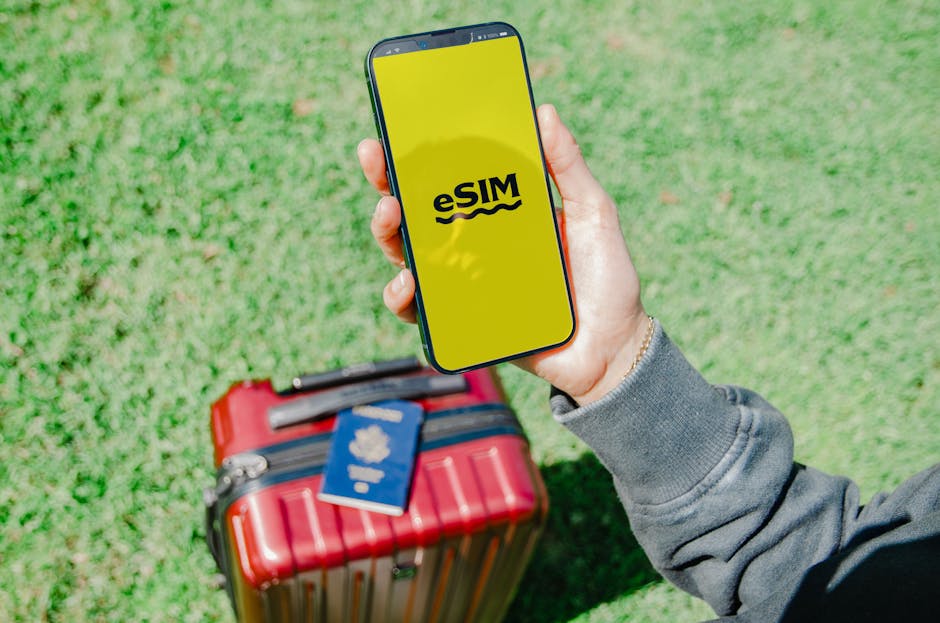
Airhub’s Voucher Partner Program represents a vital shift in how eSIM technology can be sold and managed, particularly in physical retail environments. By removing logistical barriers and integrating analytics-driven insights, this solution paves the way for retailers to enter the rapidly growing eSIM market effortlessly.
What do you think about the potential of eSIM vouchers to reshape how we buy travel connectivity? Could it become the new standard for retail telecom sales? Share your insights below!