No Master Socket? What It Means for Broadband Users and How to Fix It
No master socket in your home? It might be causing trouble for your broadband connection or hampering your ability to troubleshoot network issues. According to industry expert Rob Govier, the absence of a master socket can complicate fault testing and responsibility between consumers and providers, but solutions are available.
What Is a Master Socket?

In essence, a master socket serves as the dividing line between your home’s wiring and the service provider’s network. It acts as a testing point for engineers and users alike. Modern master sockets, especially Openreach’s NTE5 models, often come with features like surge protection and better specifications to ensure robust performance.
Many older homes, particularly those built prior to the 1980s, might lack a proper master socket. Instead, you could find a legacy junction box—sometimes hidden behind walls or in awkward locations. Alternatively, the master socket could have been improperly removed or tampered with by builders or other tradespeople, leaving hidden wiring issues that disrupt service quality.
Why Does This Matter?

Without a master socket, both troubleshooting network faults and determining responsibility for service issues become harder. For instance, if your broadband connection falters, having access to the test point allows you to check whether the issue lies within your home or on the provider’s network. This distinction could save you unnecessary arguments and costs.
From an industry perspective, the absence of a master socket can complicate network upgrades. Openreach engineers sent to install new connections or routers typically replace older sockets with updated models. However, if there is no master socket, engineers may need to track cable entry points or restore missing components. This extra work can delay installations and may incur additional charges for property owners.
Options for Fixing and Upgrading
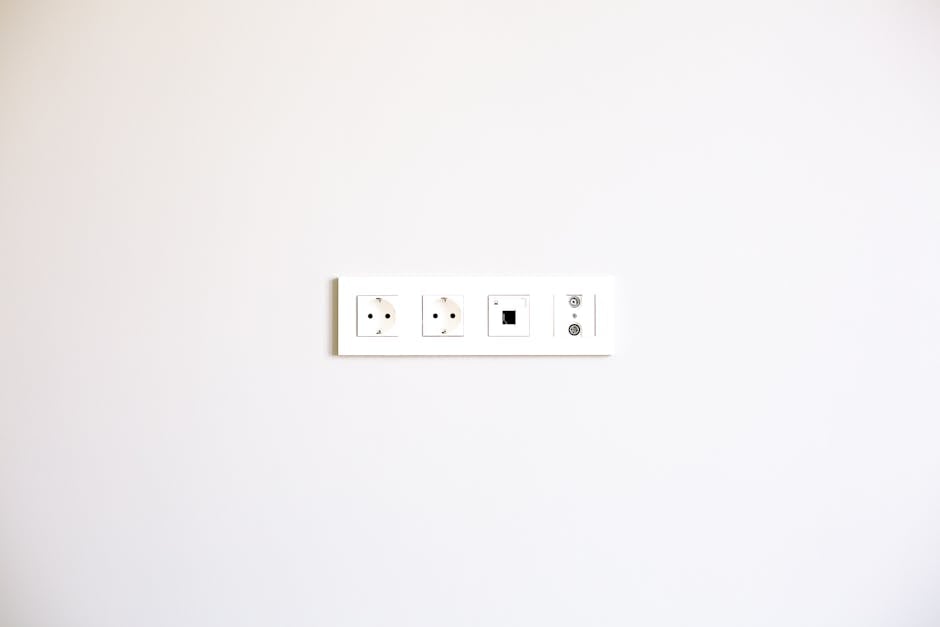
If you’re experiencing issues, independent telecom engineers—many of whom are former BT technicians—can help locate or reinstall a master socket. These professionals often specialize in tracing cables, repairing poor joints, and ensuring compliance with modern broadband standards. While Openreach engineers focus on delivering service, independent engineers can enhance internal wiring to optimize overall performance.
Additionally, if you suspect the master socket was removed or damaged by tradespeople during renovations, you may be entitled to compensation. Document the issue and request the responsible party to cover repair costs.
Future Outlook: Upgrading Infrastructure
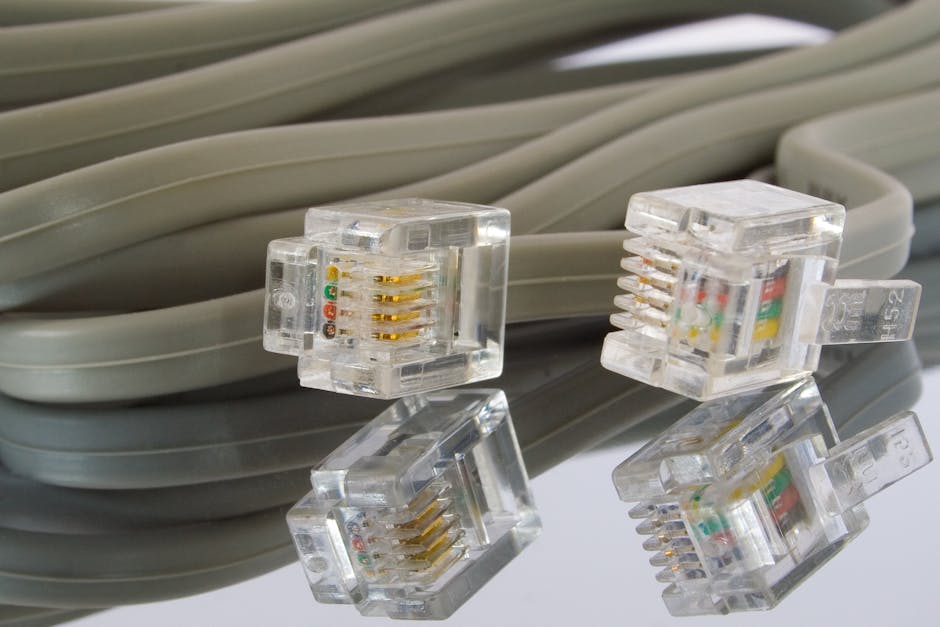
As broadband networks evolve, especially with FTTC (fibre-to-the-cabinet) and FTTP (fibre-to-the-premises) deployments, having a properly installed master socket becomes even more critical. Improved sockets provide better connectivity and minimize service disruptions. For context, modern NTE5 sockets play an increasingly vital role in ensuring high data speeds required for streaming, telecommuting, and smart home applications.
As the industry pushes for full-fibre rollouts nationwide, government and provider-led initiatives might eventually include free or subsidized socket replacements. However, for now, working with independent engineers can bridge the gap for affected properties.
A Call for Transparency and Responsibility
From consumer advocacy to technical upgrades, the absence of a master socket underscores the importance of clear network boundaries and standards in UK telecom infrastructure. Whether you’re dealing with aging wiring or preparing for new broadband services, addressing the master socket issue is crucial for both connectivity and peace of mind.
What challenges have you faced with broadband installations? Share your experiences below.