The Rise of Anti-Social Media: 15 Years of Eroding Civility Online
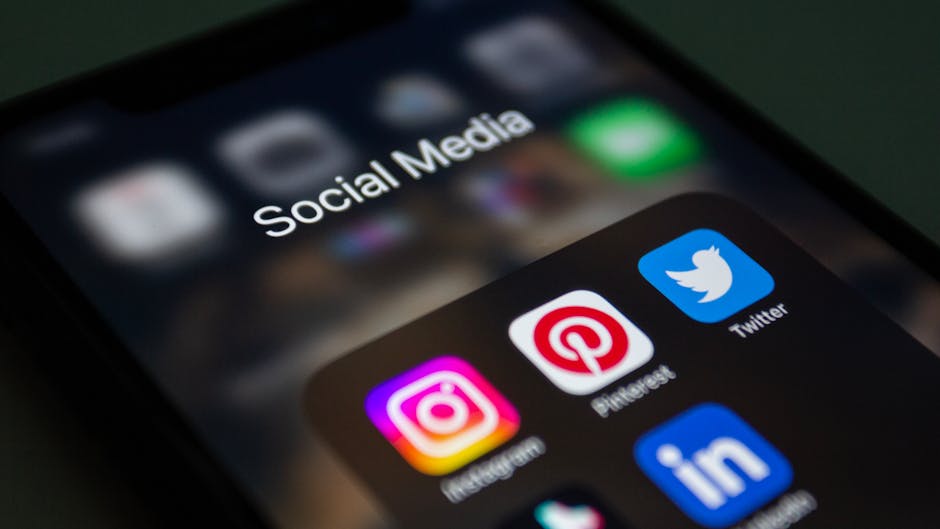
Fifteen years after the rise of social media platforms promised connection and democratization, a new reflection on its impact reveals that digital spaces have increasingly fostered incivility rather than community. According to a retrospective analysis of online behavior trends dating back to 2011, the dynamics of social media have worsened as anonymity, global reach, and algorithm-driven engagement feed a cycle of toxicity and real-world consequences for digital discourse.
The Architecture of Incivility

Early signs of this shift were already apparent over a decade ago, with critics noting how social media facilitated a breakdown in civil discourse. Initially hailed as a space for open interaction, platforms such as Twitter instead normalized behaviors that would rarely occur face-to-face. The anonymity they enabled, combined with the permanence and visibility of digital communication, created an environment where insults, trolling, and hate speech proliferated. As one writer in 2011 described it, the internet’s ‘fourth degree’ of communication paradoxically led to less accountability, not more.
By the mid-2010s, this problem had evolved from isolated incidents of trolling into broader concerns about large-scale harassment and unmoderated hate. Prominent examples included antisemitic and racist campaigns that targeted individuals and organizations alike. The lack of ‘referees on the field’—a nod to the absence of clear regulations or meaningful moderation policies—left platform users exposed to increasingly hostile online environments.
From Screens to the Real World: The Stakes of Online Abuse
The emotional and societal toll of anti-social media behavior has grown over the years, encompassing both individuals and institutions. For example, online abuse has driven discussions about mental health impacts, particularly on vulnerable groups, while governments grapple with defining the line between free expression and harmful content. The issue escalated further when public funds were discovered to support individuals banned from platforms for hate speech, sparking debates on taxpayer complicity in online toxicity.
In recent years, the interplay between social media and real-world consequences has forced governments, regulators, and tech companies into the spotlight. Proposals for online safety legislation have advanced in several countries, though some question whether regulation alone can solve the deeper cultural issues underpinning anti-social online conduct.
The Search for Solutions: Decency Over Algorithms

While algorithms and new rules may provide part of the answer, experts argue that reversing the erosion of civility online will ultimately require a return to fundamental values like respect and decency. This approach extends beyond technology to encompass education, cultural shifts, and individual responsibility. As one long-standing critique suggested, the antidote to anti-social media may lie not in reinvention but in rediscovery of old-fashioned menschlichkeit—basic human decency applied consistently in digital spaces.
Platforms will continue to evolve, and the tools for digital communication will grow more powerful, but the underpinning question remains: Can society rise above the anonymity and distance of digital interactions to embrace a model of respectful discourse? If social media continues as is, the stakes for public trust and the health of digital ecosystems will only grow higher.
What do you think? How can digital civility be restored in an increasingly anti-social online world? Join the conversation in the comments below.