EU Eyes North African Gas to Replace Russian Supply Amid Challenges
The European Union is racing to replace Russian gas with supplies from North Africa, but structural challenges and environmental policies are complicating the transition, according to African Business.
EU’s Shift to North Africa

The European Commission confirmed on December 3, 2025, that 2026 will mark the end of Russian gas imports—an ambitious move prompted by Moscow’s 2022 invasion of Ukraine. Before the war, Russia supplied 45% of the EU’s total gas imports. North African countries, particularly Algeria, have since stepped up to fill some of that gap. Algeria, once a secondary EU supplier, now accounts for 20% of the bloc’s pipeline imports, second only to Norway.
Landmark agreements, including a 2022 deal between Italy and Algeria and a trilateral pact with Egypt and Israel, have bolstered North Africa’s role in European energy security. However, logistical constraints, rising domestic energy demands, and stricter EU climate targets have prevented a seamless transition.
Challenges in Scaling Up Supply

Algeria’s gas exports to the EU dropped from 37 billion cubic meters (bcm) in 2021 to 32 bcm in 2024, despite an increase in overall production. Domestic consumption in Algeria, driven by a growing population and industrial demand, rose sharply, leaving less surplus for exports.
Egyptian gas supplies have also struggled to meet EU expectations. A 79% decline in Liquefied Natural Gas (LNG) exports during late 2024 highlighted challenges including lagging domestic production and soaring internal demand.
“The EU overestimated how quickly its North African partners could scale up deliveries,” analysts from Bruegel noted, adding that sporadic EU demand further discourages supplier investment in capacity expansion.
Renewables Push Adds Pressure

While gas remains critical to Europe’s energy mix, the bloc is also rapidly adopting renewable energy sources. EU policies under the “Fit for 55” framework aim to cut methane emissions from energy operations by 30% while boosting renewable electricity. Yet these environmental goals clash with the short-term need for ample, affordable gas, sending conflicting signals to suppliers like Algeria and Egypt.
Alberto Rizzi, a policy expert at the European Council on Foreign Relations, warned, “The EU’s stringent methane regulations pose a significant challenge for Algeria, which has historically had high levels of methane emissions.” He stressed the need for the EU to offer incentives alongside regulations to strengthen supply relationships.
Market Diversification and Regional Tensions
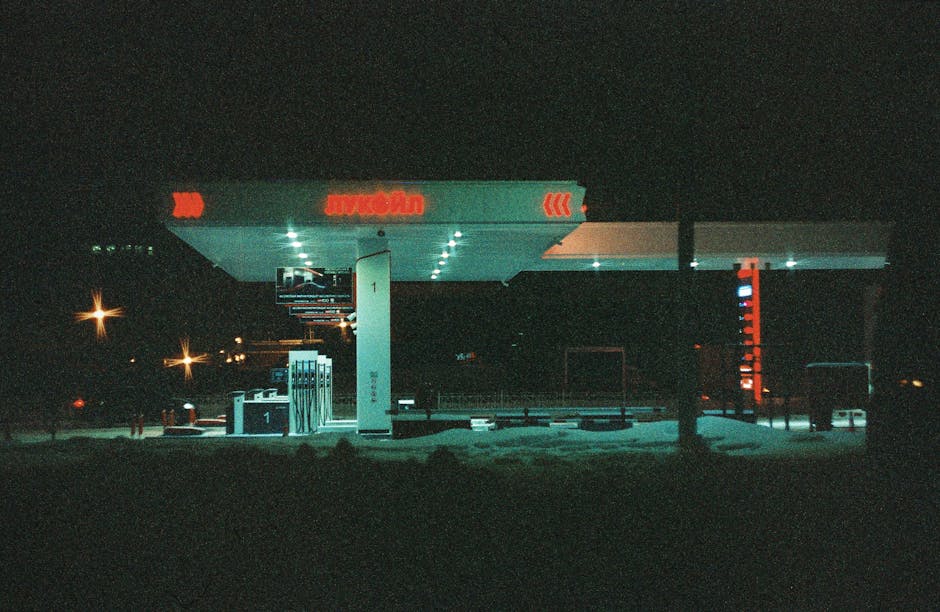
Amid EU uncertainty, Algeria’s state-owned energy firm Sonatrach is diversifying its customer base. In 2024, Turkey emerged as the leading importer of Algerian LNG, surpassing traditional markets like Italy, Spain, and France. This growing reliance on non-EU partners expands Algeria’s geopolitical options while making European energy security more precarious.
Regional disputes also frustrate EU efforts at integration. For instance, Algeria continues to block gas exports via Morocco due to diplomatic fallout, further slowing regional collaboration. Experts like Algerian analyst Zine Labidine Ghebouli argue that the EU’s fragmented country-by-country strategy undermines long-term stability.
What’s Next?
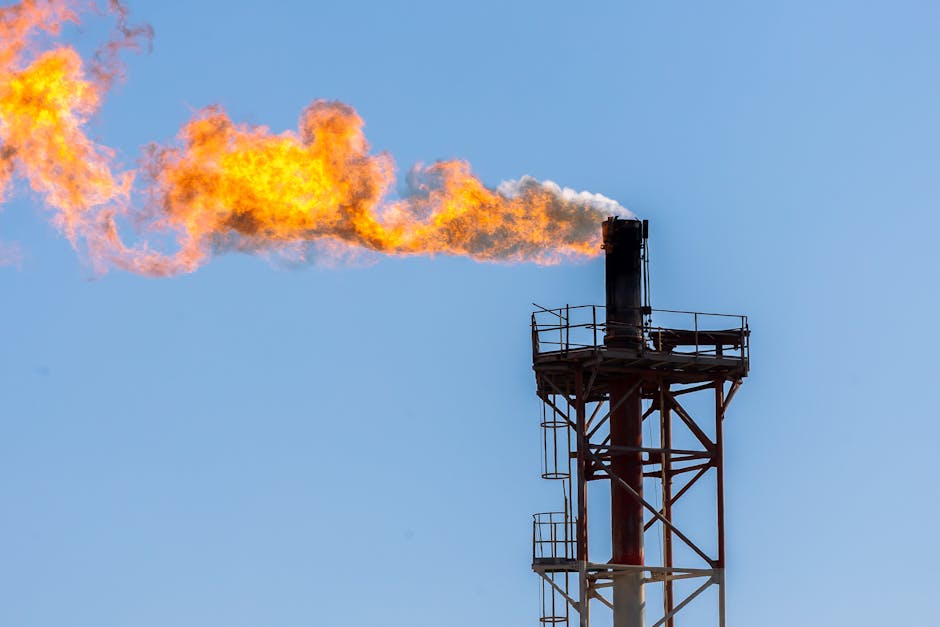
For North African partnerships to succeed, the EU must pair its climate commitments with strategic investments in infrastructure and incentives for cleaner energy production. Programs like the jointly funded TaqatHy+ initiative show potential. Launched with €28 million in EU and German financing, the project aims to reduce Algeria’s methane emissions and support renewable energy development.
However, analysts caution that stronger political relationships and regional integration must complement economic incentives. Without a cohesive long-term vision, the EU risks replicating its previous overreliance on Russian energy.
Read the full context of this shift in the original article on African Business: Europe’s Complicated Energy Shift.