Ethernet Overtakes InfiniBand in Data Center Switch Market: AI Investments Propel Growth
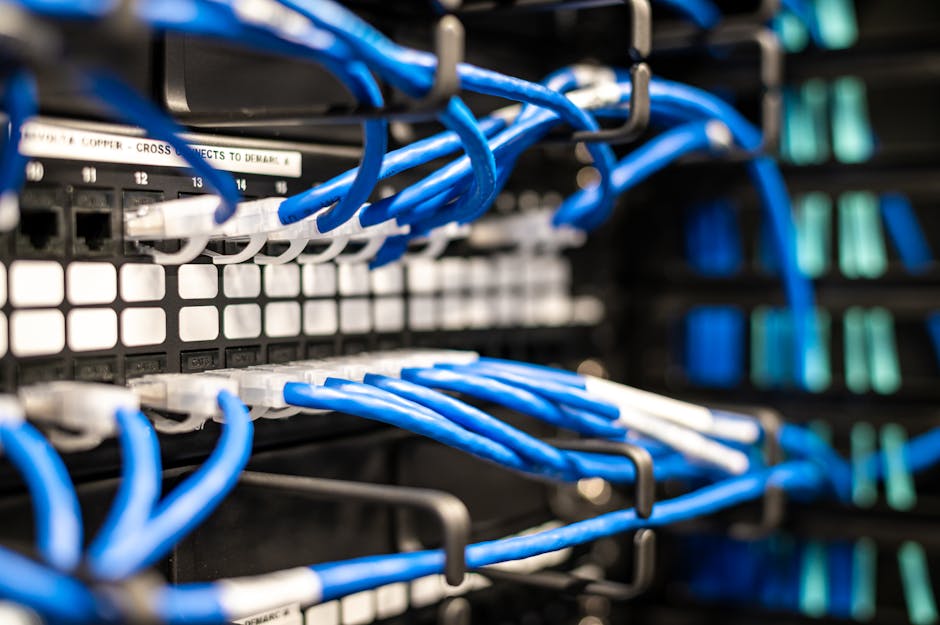
Ethernet has officially eclipsed InfiniBand as the leading technology for data center switches and server port counts, driven by soaring demand for AI infrastructure and large-scale cloud deployments. According to new data from the Dell’Oro Group (July 2025), this turning point underscores the transition toward scalable, cost-effective, and open interconnect solutions. AI back-end switch ports are now primarily Ethernet-based, with projections suggesting a market share of 70%-80% for Ultra Ethernet/RDMA over Converged Ethernet (RoCE)-compliant fabrics in the coming years.
Wave of AI and Hyperscale Investments Fuels Ethernet Surge

The Dell’Oro report estimates cumulative data center switch revenues will approach $80 billion from 2025 to 2030. Nvidia’s strategic integration of Spectrum-X Ethernet switches with its H100/H200 GPUs has accelerated this shift, helping the company outpace Cisco and Arista in the data center Ethernet revenue race. Meanwhile, Arista remains a key supplier with its innovative leaf-spine fabrics, serving hyperscalers focused on AI cluster optimization.
IEEE’s 802.3dj standardization, expected to be finalized in 2026, will further cement Ethernet’s dominance by enabling 200 Gb/s per lane speeds. Current deployments show 100G, 200G, 400G, and 800G Ethernet as the backbones of AI-optimized data centers, with 1.6T Ethernet links beginning to surface in spine and inter-cluster networking roles.
Expanding White-Box Adoption Challenges Branded Vendors
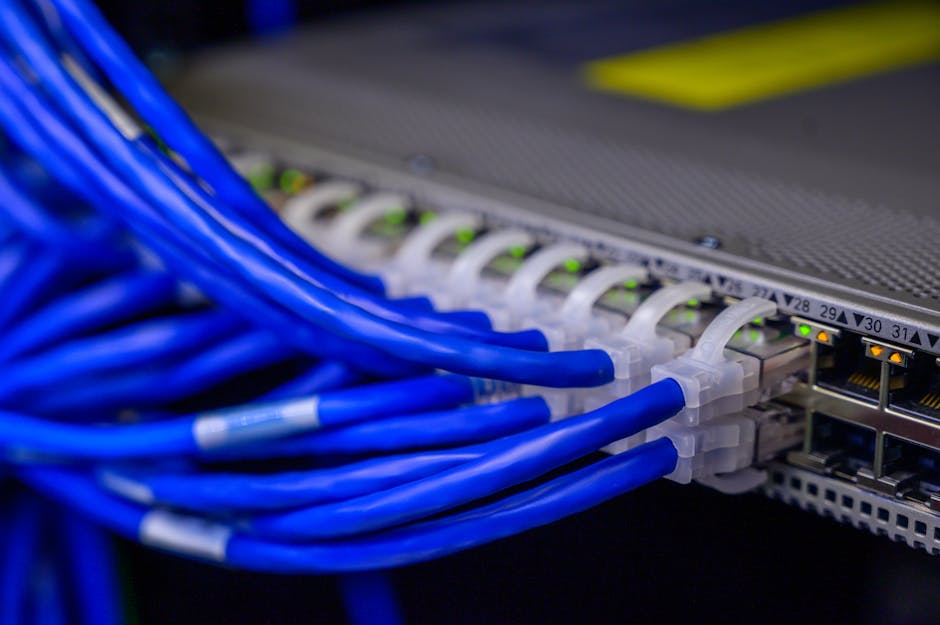
While branded suppliers like Nvidia, Arista, and Cisco lead high-speed data center switch markets, the surge in white-box/ODM switches is notable. Hyperscale data centers, which favor open and flexible solutions, increasingly rely on white-box vendors such as Quanta and Inspur. IDC reports ODM-direct Ethernet switch sales grew over 150% year-over-year in Q3 2025, with projections placing white-box market revenues at $3.2-$3.5 billion for 2025. These solutions are popular for their cost efficiency and compatibility with open-source NOS platforms like SONiC.
In hyperscale environments, white-box Ethernet switches now command 30%-40% of market share. Such traction positions ODMs as significant players, especially for hyperscalers prioritizing operational flexibility over vendor lock-ins.
The Road Ahead: How Ethernet Will Shape Future AI and HPC Networks

Looking forward, Ethernet’s role in AI and high-performance computing (HPC) will only expand. Innovations such as Nvidia’s Spectrum-X platform, which includes congestion-aware transport and AI-tuned features, demonstrate how Ethernet is evolving into a core fabric for GPU-driven, large-scale computations. For mid-tier HPC deployments, 400G Ethernet remains the workhorse, while higher-end configurations are rapidly adopting 800G and exploring 1.6T.
With AI hardware investments poised to accelerate through 2030, Ethernet is projected to dominate as the interconnect of choice. However, challenges remain in balancing performance, cost, and vendor diversity in an increasingly competitive ecosystem.
What’s your take on Ethernet’s rapid evolution? Can it sustain its lead over InfiniBand while addressing the unique demands of evolving AI workloads? Share your thoughts below.
Original Source: Techblog IEEE