Understanding Consumer vs. Industrial eSIMs: Key Differences and Market Implications
Consumer eSIMs and industrial eSIMs share a name but solve fundamentally different problems, a distinction critical as adoption grows, according to an analysis from Alertify. While both use embedded SIM technology, their purposes, lifecycle requirements, and risk tolerances are worlds apart—creating confusion for enterprises, consumers, and vendors alike.
What Sets Consumer and Industrial eSIMs Apart

At its core, an eSIM is a programmable SIM embedded directly into a device, allowing connectivity profiles to be downloaded and managed remotely. However, their intent diverges sharply based on use case.
Consumer eSIMs, commonly found in smartphones or travel-related devices, prioritize flexibility and ease of use. They enable quick profile switching, dual SIM functionality, and short-term connectivity for applications like travel. Downtime from eSIM failure is inconvenient but rarely critical, as users typically upgrade their devices every two to four years.
By contrast, industrial eSIMs serve long-term needs in sectors like automotive, logistics, energy, and infrastructure. Designed for devices with operational lifecycles extending 10–15 years, they are built to endure harsh conditions such as extreme temperatures, vibration, and exposure to regulatory environments. Failure is not just inconvenient—it could trigger financial losses, regulatory breaches, or safety issues.
Technical Considerations: Durability and Governance
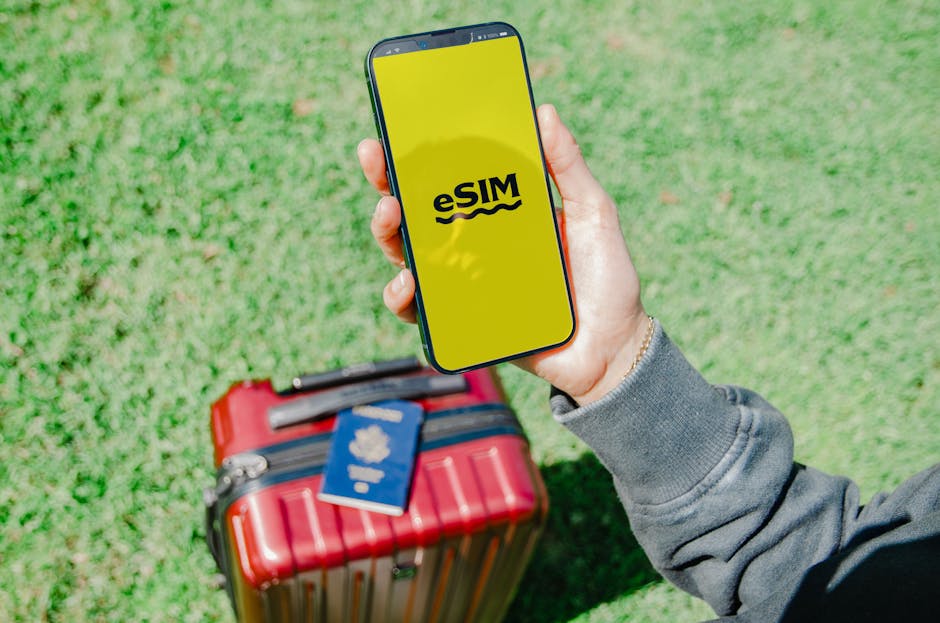
Consumer eSIMs prioritize accessibility, using form factors tailored for comfortable environments like smartphones. Industrial eSIMs, by necessity, adopt durable formats like MFF2 chips soldered directly onto circuit boards. These chips withstand mechanical stress, wide temperature ranges, and continuous operation over many years.
Provisioning: Consumer eSIMs feature event-based provisioning, enabling easy setup. Industrial deployments, on the other hand, require governance-heavy provisioning workflows with audit trails, fallback logic, and automated system monitoring. Human interventions are rare or impossible in field-deployed industrial devices.
Security: Consumer eSIM security typically centers on personal data protection and fraud prevention. Industrial eSIMs focus on maintaining device connectivity and compliance over long periods, addressing risks like tampering, data integrity failures, and regulatory non-compliance.
Why Industrial eSIMs Cost More

The price gap between consumer and industrial eSIMs is a reflection of production volume and requirements, not data pricing. Lower production scales, stringent testing standards, and lengthy support obligations drive up costs for industrial eSIMs. Additionally, vendors often assume responsibility for connectivity over years, navigating regulatory changes and carrier relationships along the way.
In contrast, consumer eSIMs achieve affordability through economies of scale and churn models, where users frequently change or replace devices.
Implications for the Market

The blurred distinction between consumer and industrial eSIMs has significant ramifications. Enterprises risk purchasing ill-suited solutions optimized for personal use, while consumers may overpay for capabilities they don’t need. Vendors, meanwhile, face challenges in accurately positioning their offerings across two distinct markets.
As eSIM technology matures, this clarity will become increasingly vital. The lack of separation in marketing and understanding risks misaligned expectations and poor investment decisions across industries.
Future Outlook: A Demand for Specialization

The consumer and industrial eSIM markets are not competing but parallel paths, optimized for different realities. Experts suggest that clear communication about the unique needs of these segments will be crucial as adoption grows. Accurate decision-making will hinge on understanding risk tolerance, durability requirements, and the operational environments devices must endure.
For enterprises deploying long-term IoT devices, the focus will remain on reliability over time. Conversely, mobile users and travelers will continue to embrace eSIMs for their simplicity and convenience. The challenge, stakeholders agree, lies in ensuring customers approach eSIM decisions with the right expectations for their unique needs.