SpaceX Files FCC Request for 1 Million AI-Centric Solar Satellites
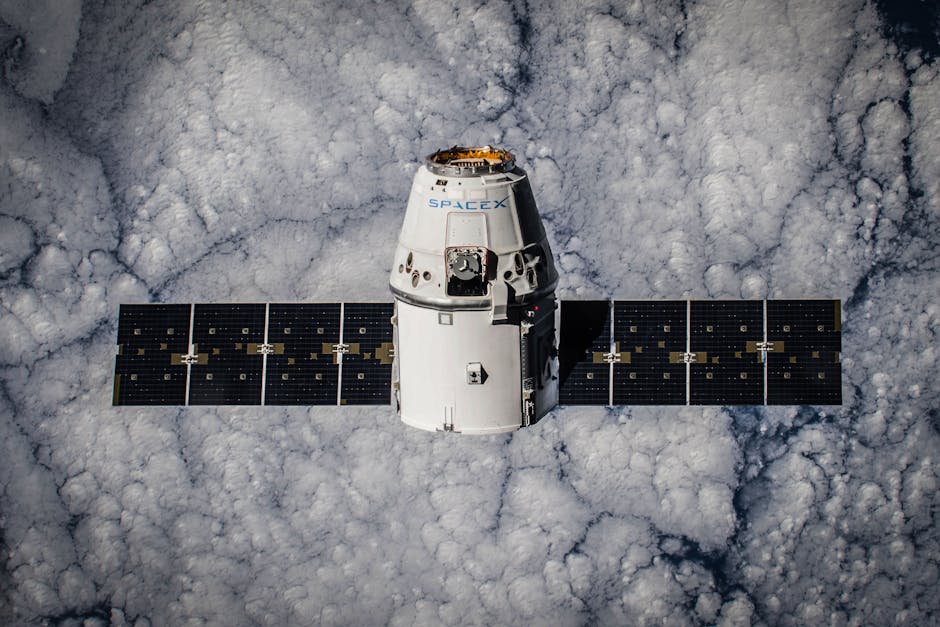
SpaceX is seeking FCC approval to deploy up to 1 million solar-powered satellites, aiming to create an orbital AI data center network, a move that could transform how large-scale AI applications operate. According to the company’s recent filing, the system would rely on narrow orbital shells connected via optical links to the existing Starlink satellite constellation, facilitating data transfer to ground Earth stations.
Key Details of SpaceX’s Orbital AI Data Center Plan

The satellites, proposed to operate at altitudes between 500 and 2,000 kilometers and within 30-degree sun-synchronous orbit inclinations, are designed to harness solar energy to power advanced AI computational processes. SpaceX described the setup as having “unprecedented computing capacity” to handle AI inference for billions of users globally. The proposed deployment would bolster AI’s role in industries from telecom to healthcare by enabling seamless global AI-driven connectivity.
The network will integrate with existing Starlink systems via optical interlinks, streamlining data traffic back to ground infrastructure. This approach combines SpaceX’s expertise in satellite broadband with ambitions to dominate the emerging AI infrastructure market.
Broader Context: Musk’s Strategic Moves

The FCC filing comes as Reuters also reports Elon Musk is considering merging his xAI company, which operates the Grok chatbot, with SpaceX ahead of a planned IPO later this year. SpaceX has reportedly set up two entities in Nevada to facilitate the merger, signaling Musk’s intent to align his space and AI ventures to attract investors. Notably, the plan leverages Musk’s vision of AI technologies powered and transmitted via space-based infrastructure, further blending his roles at Tesla, Neuralink, and The Boring Co.
Analysts observe that this move positions SpaceX as more than a spaceflight and broadband company; it becomes a player in core infrastructure for AI at a time when demand for AI computing is expected to reach unprecedented levels. The merger could also provide Musk a pathway to leverage xAI capabilities within Starlink’s data ecosystem, enhancing revenue streams ahead of SpaceX’s anticipated IPO.
What’s at Stake for Telecom and Satellite Industry

SpaceX’s ambitious plan underscores the growing convergence of AI and satellite technology. For telecoms, a robust data center infrastructure in space could reduce latency and support more intensive edge-computing workloads. Industry experts see this as a direct challenge to traditional terrestrial operators and competing satellite broadband providers.
“If SpaceX succeeds in building these AI data centers, it could reshape how industries harness AI,” one market analyst noted. The scale, however, raises questions about regulatory hurdles, orbital debris, and power management. Critics point to the potential strain on regulatory frameworks with an unprecedented number of closely packed satellites.
This also puts pressure on competitors like Amazon’s Kuiper and OneWeb to step up their technological innovation while addressing scalability issues. Meanwhile, traditional telecom operators may see this as a disruptive shift—potentially cutting into enterprise data traffic revenues by offering AI processing closer to endpoints.
Future Outlook: Orbital AI and SpaceX’s IPO
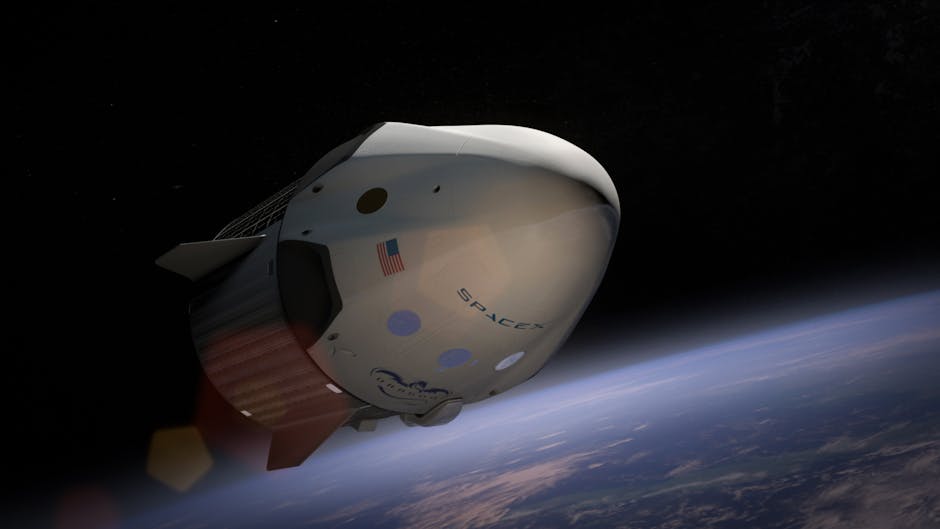
Looking ahead, SpaceX’s FCC filing and potential merger with xAI paint a clear picture: Musk is betting heavily on the intersection of AI, space tech, and renewable energy. By anchoring AI computations in orbit, this move could unlock new use cases within real-time analytics, autonomous systems, and global connectivity for underserved regions.
With SpaceX eyeing an IPO later this year, favorable FCC approval could strengthen its valuation and attract more institutional investors. However, execution will be key. Balancing technological ambition with orbital and regulatory challenges could determine SpaceX’s ability to lead this next frontier of AI innovation.
For the telecom industry, the question remains: How will traditional players adapt to a disruptive AI-driven space network? Share your thoughts below on the implications of Musk’s latest grand plan.