Navigating the eSIM Landscape in 2026: What Travelers Need to Know
eSIM adoption is growing, but choosing the right plan has never been more complex. According to Alertify, the travel eSIM market in 2026 has matured, with offerings becoming increasingly diverse and competitive. From local options to global bundles, travelers face a maze of choices riddled with fine print. The challenge? Finding a plan that delivers reliable connectivity without costly surprises mid-trip.
Understanding the eSIM Spectrum: Local, Regional, Global

Today’s travel eSIMs fall into three categories: local, regional, and global plans. Each is tailored to different travel profiles, but missteps are common. Choosing the wrong type can mean spotty service, unexpected throttling, or overspending on data you don’t actually need.
- Local eSIMs: Typically, the best value for single-country trips. These plans offer high-speed connections on local networks but stop working at borders. For instance, a traveler spending a week in Italy would likely save with a local plan compared to a global alternative.
- Regional eSIMs: Ideal for multi-country travel, these plans cover broader areas like Europe or Southeast Asia. Though pricier per gigabyte, they provide the convenience of seamless coverage across borders. Train-heavy itineraries often benefit from this middle-ground approach.
- Global eSIMs: The “set it and forget it” option for frequent travelers. These plans prioritize coverage over fine-tuned optimization, sacrificing speed and transparency in exchange for simplicity. They work across dozens of countries but vary widely in reliability.
The biggest pitfall? Falling for buzzwords like “unlimited” without digging into terms and conditions. Many providers throttle speeds after hitting usage thresholds, straining activities like video calls and cloud uploads. Predictable throttling and hotspot compatibility often matter more than raw gigabyte allowances.
Competition Brings Clarity (and Complexity)
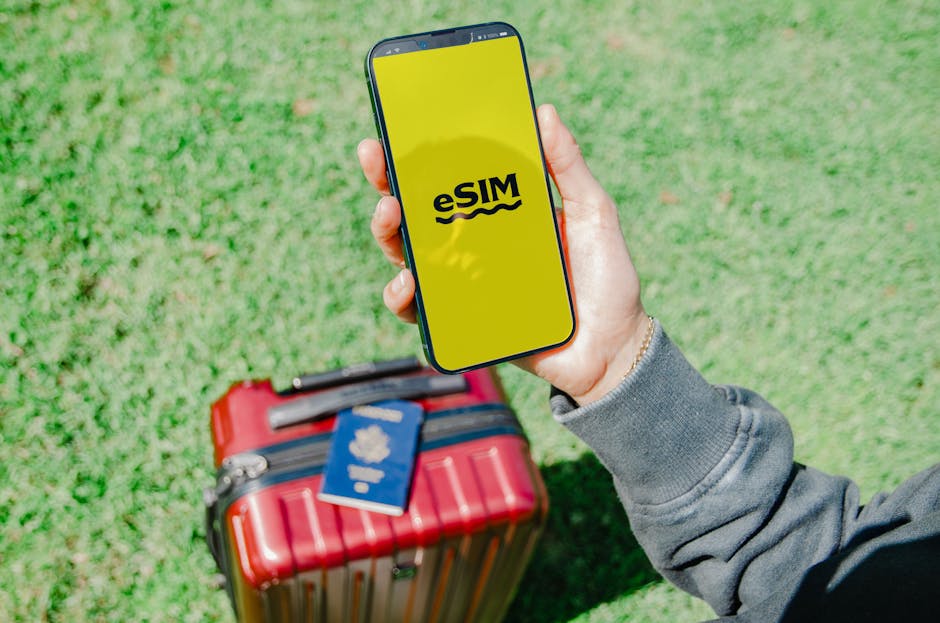
The growing prominence of eSIMs has drawn major players into the fray. Traditional mobile operators are now entering the market, leveraging their existing infrastructure and customer trust to challenge standalone eSIM providers. Brands like Holafly target convenience-focused users with “unlimited” plans (often with capped speeds), while companies like Nomad offer simplified, user-friendly regional packages.
Business-focused providers including Ubigi or Suresim cater to enterprise travelers seeking stable, compliance-driven connectivity. Meanwhile, deal-driven platforms like aloSIM appeal to cost-sensitive users. GigSky, Yesim, and Airhub fill niches with varying strengths in network reliability, global usability, or bundled voice services.
Standalone providers are feeling pressure to differentiate as mobile operators muscle in, driving both innovation and consumer confusion. Analysts note that increased competition is pushing transparency higher, but the flood of choices makes selecting the right plan more daunting for travelers.
What Travelers Should Prioritize

Instead of fixating on price or gigabyte count, 2026’s smartest travelers focus on reliability, clarity, and responsiveness. According to industry observers, connectivity is becoming less about quantity and more about infrastructure, execution, and policy.
Key considerations include:
- Device Compatibility: eSIMs are only viable on unlocked, eSIM-capable devices. Checking compatibility before departure can avoid last-minute headaches.
- Defined Speed Limits: Vague “unlimited” claims often hide severe throttling. Look for plans with clearly stated high-speed allowances.
- Hotspot Usage: Travelers relying on laptops or sharing data should confirm hotspot support.
- Support & Activation: User-friendly interfaces and responsive service teams can make a critical difference during tight travel schedules.
For frequent travelers or those on work trips, the ability to quickly resolve issues or activate a new plan upon landing often outweighs marginal cost savings. As mobile operators expand their eSIM offerings, travelers should expect elevated customer service expectations industry-wide.
Looking Ahead: Why Predictability Matters

eSIMs are no longer a novelty. As the market matures, consumer priorities are shifting from flashy marketing to dependable performance. Travelers increasingly value fewer surprises—stable speeds, clear throttling terms, multi-destination coverage, and seamless activation.
Ultimately, the brands that succeed in 2026 will be the ones that prioritize transparency, detail their limitations, and deliver on promises. Operators’ growing presence may raise the stakes, forcing standalone providers to differentiate themselves or risk irrelevance.
The real luxury in travel connectivity isn’t just affordability or speed—it’s predictability. As the eSIM market evolves, the savviest travelers will focus less on finding the perfect plan and more on ensuring their choice doesn’t fail when it matters most.
Source: Alertify