Nigeria Grapples with Alleged Coup Plot as Officers Face Trial
After a three-month investigation, Nigeria’s government announced that 16 military officers, ranging from captain to brigadier general, will face military tribunal charges for an alleged coup plot, according to African Business. The alleged plan aimed to overthrow President Bola Ahmed Tinubu’s government, marking a significant political development in a region prone to similar disruptions in recent years.
The Details of the Alleged Plot
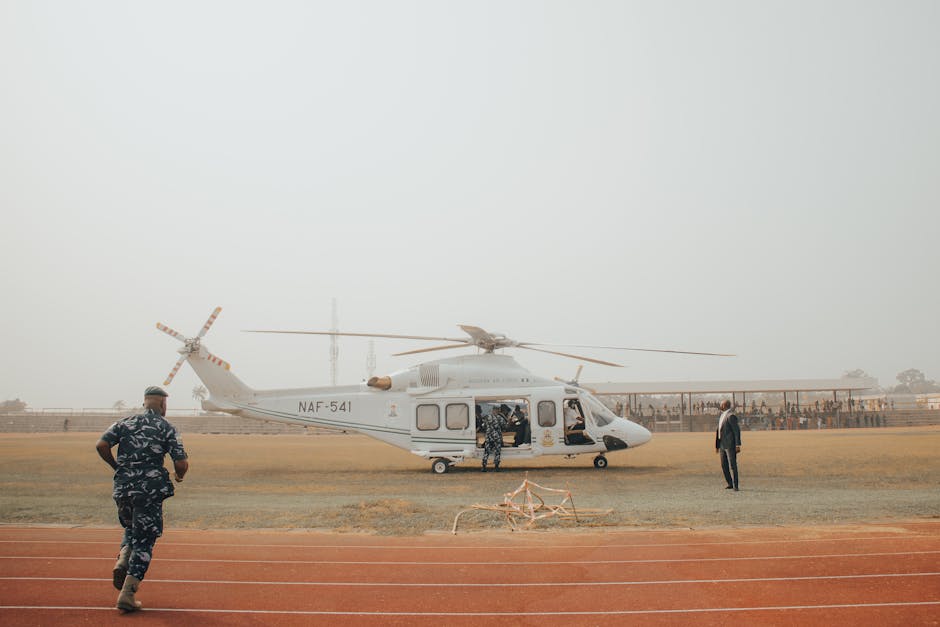
The officers were initially arrested in October 2025 on suspicion of “acts of indiscipline and breaches of service regulations.” A statement from military spokesperson Major General Samaila Uba revealed that a thorough investigation identified some of the accused as active participants in a coup conspiracy. These officers now face a military judicial panel under the Armed Forces Act.
Defence Minister General Christopher Musa confirmed in a televised interview on February 2 that earlier government silence on the arrests was a deliberate strategy to prevent suspects from fleeing. According to Musa, the plot centered around grievances over stalled promotions and perceived inequities around military benefits. Musa stated, “I was to be arrested or killed if I resisted.”
West Africa’s Coup-Prone Region

The news underscores Nigeria’s vulnerability to the recurring wave of military coups across West Africa. Over the last four years, coups have upended governments in Mali, Burkina Faso, Niger, and Guinea-Bissau. Nigeria itself, though stable under civilian rule since 1999, has seen seven successful coups in the past, along with multiple failed attempts spanning decades.
The alleged coup plot taps into growing public discontent over economic challenges. During protests in 2024, which followed Tinubu’s removal of longstanding fuel subsidies and a float of the naira exchange rate, some protestors began calling for military intervention. As Nigerian historian Fabian Ekwe noted, “Many young Nigerians lack firsthand experience of military rule, which feeds into nostalgia for its perceived order.”
Implications for Political Stability
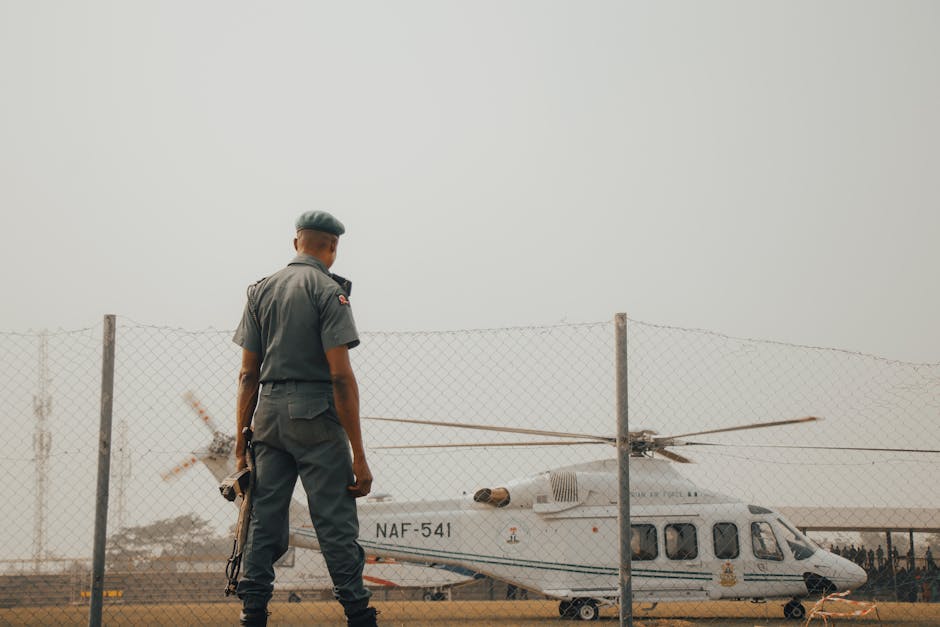
Military interventions in Nigeria’s past have left deep scars, often undermining institutions and creating cycles of instability. Analysts warn that any return to military governance could jeopardize the country’s current economic reforms and its role as a stabilizing force in West Africa.
The trial of these officers provides an opportunity for Nigeria to reinforce accountability within its Armed Forces while sending a clear message about the consequences of such actions. However, details surrounding the alleged plot exposed gaps in military protocols, prompting government officials to address vulnerabilities. As General Musa noted, “They show you where your weaknesses are, and you fix them.”
What’s Next?
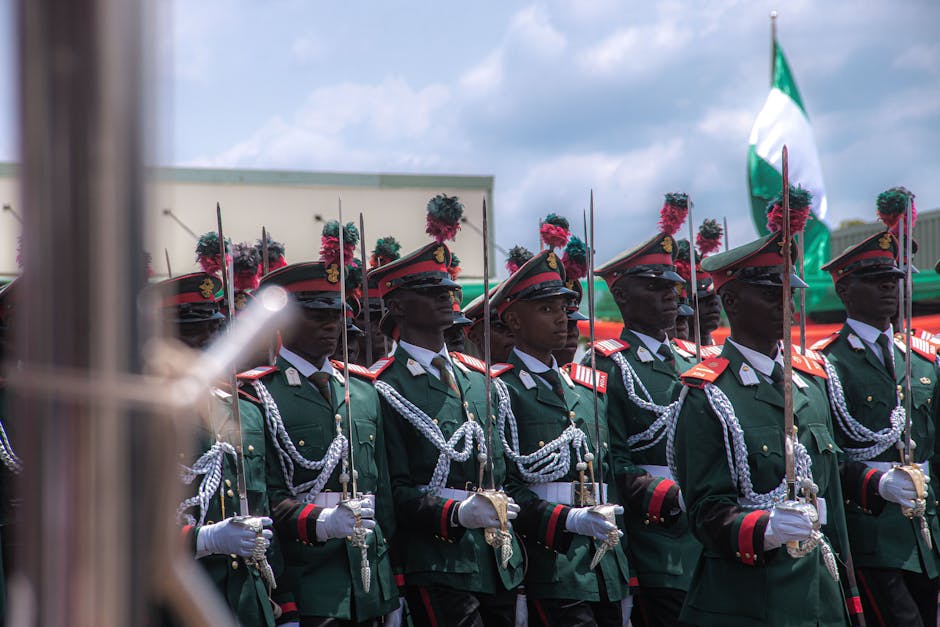
As the trial progresses, it remains to be seen whether the accused will present evidence to challenge the government’s narrative. The case represents a critical moment for Nigeria’s democracy, which has weathered political and economic crises since its transition to civilian rule in 1999. Can the country maintain its hard-fought democratic stability in the face of rising authoritarian pressures across the region?
For further details, read the original article by African Business here.