Nigeria Faces Alleged Coup Plot Trial, Highlighting Fragile Stability
Several Nigerian military officers will stand trial for allegedly plotting a coup against President Bola Tinubu’s government, following months of speculation and investigation, according to African Business.
Sixteen military personnel, ranging from captains to brigadier generals, were arrested in October 2025 for what was initially called “indiscipline” and breaching military regulations. Authorities now claim some plotted to overthrow the government. The accused will face prosecution under military law, raising fresh questions about Nigeria’s stability as it battles political discontent and growing security challenges in West Africa.
What the Alleged Plot Entails
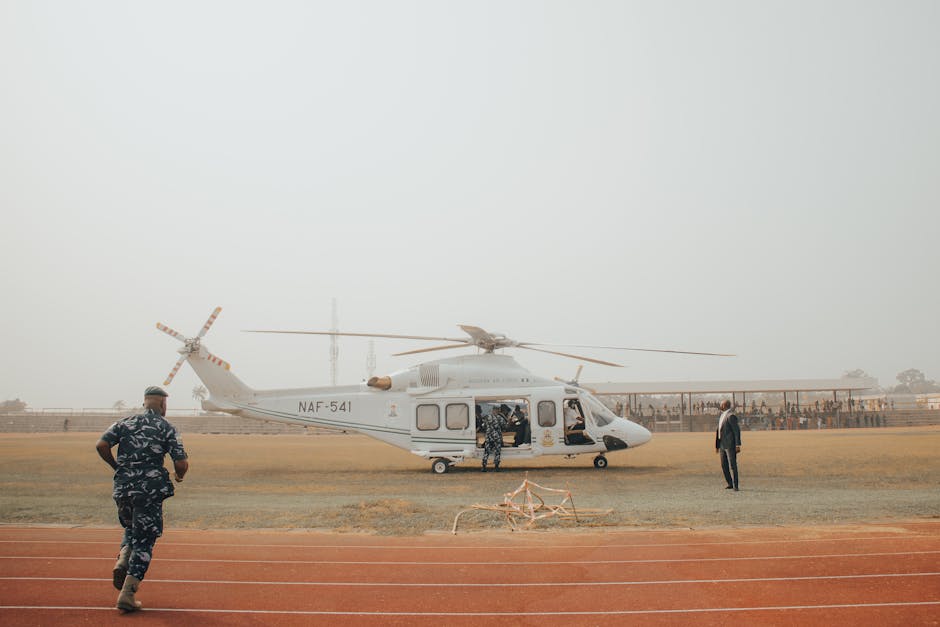
The government’s announcement follows speculation surrounding the October arrests, with authorities maintaining silence to avoid tipping off other suspects. The alleged coup plot is said to have stemmed from grievances over stalled promotions and perceived inequities within the military. Reports indicate the plot aimed to exploit weaknesses in Nigeria’s security systems, which officials now say are being addressed.
According to Major General Samaila Uba, who spoke on behalf of the military, the investigation followed “established military procedures” and revealed violations inconsistent with professional armed forces conduct. He confirmed that officers implicated in the plot are now set to face a military judicial panel in accordance with the Armed Forces Act.
Context: Nigeria and its History with Coups

Nigeria has endured a long history of coups, with seven successful ones within the first four decades of independence. Military leaders ruled intermittently from 1966 until 1999, after which 26 years of uninterrupted civilian governance followed. Yet political analysts warn this stability is being tested by economic unrest, public protests, and regional instability.
The alleged coup adds Nigeria to the list of West African nations troubled by military uprisings in recent years, including Mali, Burkina Faso, Niger, and Guinea-Bissau. Analysts highlight how broader public dissatisfaction may also be fueling calls for military involvement, citing protests in northern Nigeria in 2024 against economic crises and subsidy removals.
Fabian Ekwe, a military historian, notes a widespread disillusionment with Nigeria’s political elites: “The political class is discrediting itself just like the military had done, and that could be an excuse to intervene once more.”
Broader Implications for West African Stability
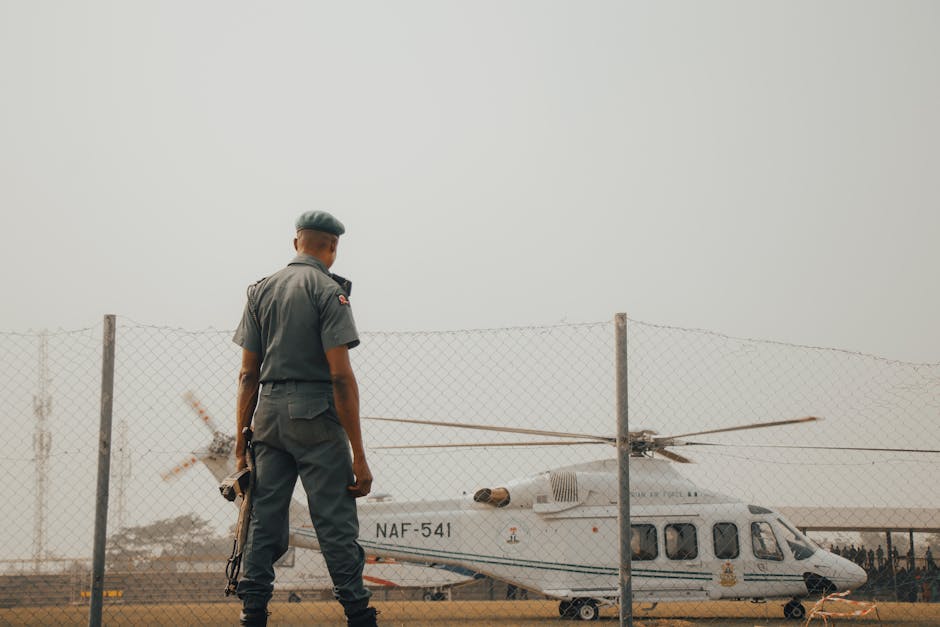
Nigeria’s prominence as Africa’s largest economy and its role as a regional peacekeeper add weight to its ability to remain politically stable. The alleged coup trial comes amid heightened regional fragility, as military takeovers in neighboring countries threaten democratic governance across West Africa.
While Nigerian officials, including Defence Minister General Christopher Musa, have so far downplayed the scale of the threat, the trial is expected to shine a spotlight on internal fissures within the military. “Such attempts would have thrown the country into chaos,” Musa said earlier, adding that addressing security vulnerabilities remains a key priority.
What’s Next?

The accused officers’ trial is expected to dominate the coming weeks, providing the defense an opportunity to counter government claims. Experts warn that unresolved internal tensions, coupled with economic instability, could leave Nigeria vulnerable to future attempts to disrupt its already fragile democracy.
As Nigeria navigates this crisis, the question remains: Can the country rebuild internal military trust and reassure citizens that its democratic institutions are resilient enough to withstand such pressures?
Read the full story here: African Business