When terrestrial communication infrastructure collapses during a natural disaster or major crisis, resilient Satcom networks for disaster response become the lifeline for emergency services, government agencies, and affected communities. These satellite-based systems are engineered to deliver uninterrupted, secure, and high-throughput connectivity precisely when and where it is needed most, overcoming the destruction of cell towers, fiber cuts, and power outages that paralyze conventional networks. Consequently, understanding the architecture, technologies, and operational protocols behind these networks is paramount for any organization involved in emergency management, humanitarian aid, or critical infrastructure protection. This comprehensive guide delves into the components that make satellite communications indispensable for resilience, the evolving technological landscape, and the practical implementation strategies that save lives.
Key Takeaways
- Resilient Satcom networks provide autonomous, immediate connectivity independent of terrestrial infrastructure, which is often the first casualty in a disaster.
- Modern systems leverage a mix of GEO, MEO, and LEO satellite constellations, each offering unique advantages for bandwidth, latency, and coverage.
- Rapidly deployable ground terminals, known as Fly-Away, Drive-Away, and COTM systems, are critical for establishing initial communications in the first 72 hours.
- Network resilience is achieved through multi-orbit, multi-band, and multi-vendor architectures that eliminate single points of failure.
- Effective disaster response relies on pre-planned agreements, standardized protocols, and regular joint exercises between satellite operators and first responders.
- The future of disaster Satcom is being shaped by direct-to-device capabilities, AI-driven network management, and the integration of 5G Non-Terrestrial Networks (NTN).
The Critical Role of Satellite Communications in Disaster Management
In the immediate aftermath of a hurricane, earthquake, or large-scale wildfire, the most pressing need for emergency responders is situational awareness and command coordination, both of which are entirely dependent on functional communication links. Terrestrial networks, however, are highly vulnerable; fiber optic cables can be severed, cellular towers can lose power or be physically destroyed, and microwave links can be disrupted. In this vacuum, satellite communications provide the only guaranteed path for voice, data, and video. For instance, during Hurricane Maria’s devastation of Puerto Rico in 2017, satellite phones and transportable VSAT terminals were among the few reliable tools for coordinating search and rescue and damage assessment across the island. This autonomous capability forms the bedrock of a resilient disaster response strategy, ensuring that decision-makers are never operating in the dark.
Furthermore, the utility of Satcom extends far beyond the initial emergency phase into sustained recovery operations. Humanitarian organizations require robust data links to manage supply logistics, run field hospitals, and facilitate financial transactions in cashless economies. Satellite imagery and IoT sensor data relayed via satellite networks are indispensable for mapping affected areas, monitoring structural integrity of dams or bridges, and tracking the spread of floods or fires. The Federal Emergency Management Agency (FEMA) and the United Nations Office for the Coordination of Humanitarian Affairs (OCHA) have long-standing frameworks that prioritize satellite connectivity as a life-saving utility, on par with food, water, and shelter. Therefore, investing in and understanding these networks is not a niche technical consideration but a core component of public safety and national security.
Architectural Pillars of a Resilient Satcom Network
Building a Satcom network that won’t fail under extreme duress requires a deliberate architectural approach focused on redundancy, flexibility, and rapid deployment. The core principle is to eliminate any single point of failure, which demands a multi-layered strategy. First, space segment diversity is crucial. A resilient network should be capable of accessing satellites in multiple orbits—Geostationary (GEO), Medium Earth Orbit (MEO), and Low Earth Orbit (LEO). GEO satellites provide stable, wide-area coverage ideal for broadcast and backhaul, while LEO constellations, like SpaceX’s Starlink or OneWeb, offer lower latency and higher data rates suitable for real-time applications like video conferencing in field command posts. By designing terminals that can seamlessly switch between these constellations, network managers ensure continuity even if one satellite or orbital plane experiences congestion or an anomaly.
Second, frequency band agility adds another layer of resilience. Commercial and government Satcom networks operate across L-band, C-band, Ku-band, Ka-band, and military-specific bands like X-band and UHF. Each band has distinct properties; L-band signals penetrate heavy rain and foliage, making them reliable for voice and low-rate data in storm conditions, while Ka-band offers high throughput for data-intensive applications in clearer weather. A resilient terminal equipped with a multi-band feed can automatically select the optimal frequency based on atmospheric conditions, spectrum availability, and mission priority. This technical agility, combined with pre-positioned bandwidth contracts (known as COMSATCOM services on demand) with multiple satellite operators, guarantees that emergency teams have assured access to capacity without being locked into a single vendor’s infrastructure, which itself could be compromised.
Ground Segment: The Deployable Edge of the Network
The ground segment is where theory meets the muddy, chaotic reality of a disaster zone. Resilience here is defined by speed, simplicity, and robustness. The industry categorizes deployable terminals into several key types, each serving a specific operational tempo. Fly-Away Kits are compact, airline-checkable units that can be on-site within hours of a disaster declaration, typically deployed by advance teams to establish the first communication link. Drive-Away Kits are vehicle-mounted or trailer-based systems that provide more power and larger antenna apertures for higher bandwidth, serving as mobile command center hubs. For ongoing operations, Communications on the Move (COTM) systems installed on ambulances, fire trucks, and maritime vessels ensure connectivity for mobile units in the field. The most advanced terminals now feature auto-acquire functionality, where the system automatically finds and locks onto the target satellite within minutes of being powered on, a critical feature when skilled technicians are in short supply.
Technologies Powering Modern Disaster Satcom
The evolution of satellite technology has dramatically enhanced the capabilities available for disaster response. High-Throughput Satellites (HTS) using spot beam technology have revolutionized available bandwidth, delivering fiber-like speeds to portable terminals. This enables not just voice calls but high-definition video feeds from drones, real-time access to cloud-based disaster management software, and telemedicine consultations for field medics. Furthermore, the rise of Inter-Satellite Links (ISL) in LEO constellations creates a resilient mesh network in space, routing traffic between satellites without relying on vulnerable ground stations in the disaster area. This architecture inherently provides path diversity and reduces latency, making real-time coordination more effective. Another transformative technology is the software-defined terminal, where much of the hardware functionality is replaced by software, allowing a single device to be reconfigured via download to support different satellites, waveforms, and encryption standards as mission needs change.
Moreover, integration with other wireless technologies is key. Modern resilient networks often employ satellite-terrestrial hybrid systems. In this model, a satellite link serves as the backhaul to the global internet, which then connects to a local terrestrial wireless network (like LTE or Wi-Fi) that first responders and victims use with their standard smartphones and tablets. This approach, exemplified by systems like the Intelsat FlexMove or government programs like DHS’s FirstNet, combines the wide-area reach of satellite with the user familiarity and device ubiquity of cellular technology. Additionally, advancements in antenna technology, such as flat-panel electronically steered arrays (ESAs), are making user terminals smaller, lighter, and more discreet, which is vital for covert or humanitarian operations in insecure environments.
Operational Protocols and Pre-Disaster Planning
Technology alone is insufficient without robust operational protocols and thorough pre-disaster planning. The most resilient Satcom network can be rendered useless if the right people don’t know how to activate it, lack access credentials, or have not practiced under simulated conditions. Effective disaster response hinges on pre-negotiated service level agreements (SLAs) with commercial satellite operators. These agreements, often called “Satcom as a Service” or guaranteed access protocols, ensure priority provisioning of bandwidth and technical support the moment a disaster is declared. Organizations like the World Teleport Association and the Global VSAT Forum work to standardize these processes, but individual agencies must have their own concrete plans on file. This includes maintaining updated lists of authorized personnel, pre-configured equipment ready for shipment, and clear escalation paths for technical support.
Regular, realistic exercises are the cornerstone of operational readiness. These drills must test not only the technical functionality of the equipment but also the human processes: who makes the call to deploy, how are terminals transported through chaotic logistics chains, and how is the satellite-derived connectivity integrated into the wider incident command system (ICS)? Joint exercises between satellite providers, government agencies like FEMA or the Red Cross, and military units (e.g., the National Guard’s Communications on the Move teams) build the muscle memory necessary for effective real-world deployment. Standardization of data formats and communication protocols, such as the use of TAK (Team Awareness Kit) for situational awareness or common alerting protocol (CAP) for warnings, ensures that data flowing over the satellite pipe is immediately usable by all responding entities, preventing costly delays in interpretation and action.
“The first 72 hours after a major disaster are the most critical for saving lives. Satellite communications provide the only assured method to establish command and control during that window. Our focus is on making that activation as fast and as simple as turning on a flashlight,” notes a senior official from the International Telecommunication Union’s (ITU) Emergency Telecommunications cluster.
Case Studies: Satcom Networks in Action
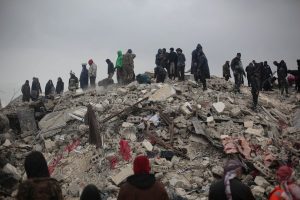
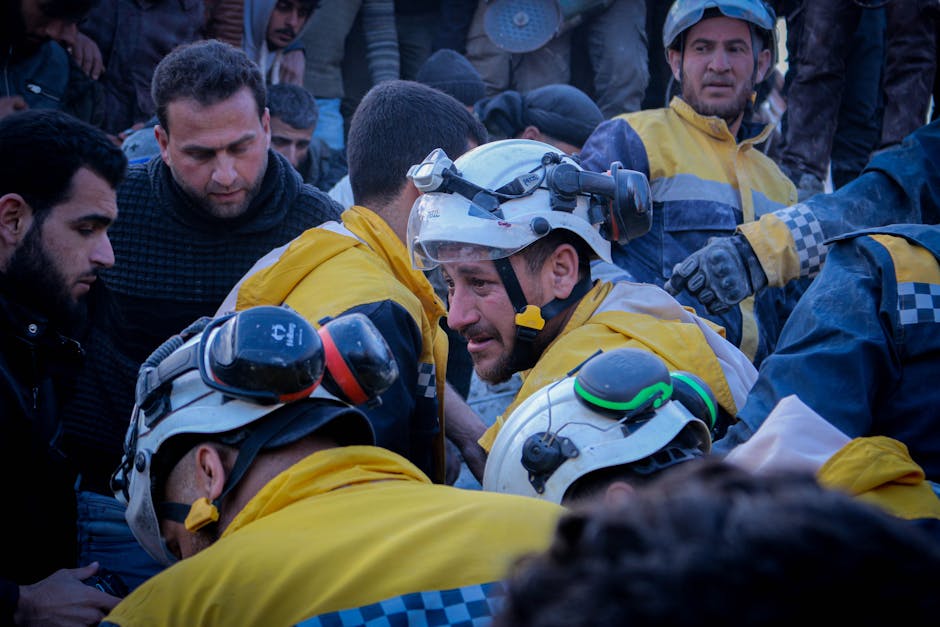
Examining real-world events underscores the indispensable value of resilient Satcom networks. Following the catastrophic 2023 earthquakes in Türkiye and Syria, a patchwork of satellite connectivity was swiftly established. International humanitarian organizations deployed dozens of VSAT terminals to support coordination hubs in Antakya and Aleppo. Notably, Starlink terminals, with their user-friendly setup and high bandwidth, were rapidly distributed to hospitals and search-and-rescue teams, enabling them to share large geospatial files and conduct video triage with specialists abroad. In a different scenario, during the widespread flooding in Pakistan in 2022, satellite data was used not just for communications but for predictive analysis. Earth observation satellites provided near-real-time imagery of river swell and flood plains, which was downlinked via communication satellites to ground teams, allowing for more accurate forecasting and proactive evacuation orders.
Another powerful example comes from the Pacific Islands, which are frequently battered by cyclones. Countries like Fiji and Vanuatu have invested in pre-positioned satellite solutions as part of their national disaster management plans. Solar-powered satellite terminals are stored in hardened containers at strategic community centers. When a storm knocks out all other communications, local officials can activate these terminals to report damage, request aid, and coordinate local response without waiting for international assistance to arrive. This model of community-level resilience, powered by satellite, exemplifies a shift from reactive to proactive disaster management. It also highlights the importance of local capacity building, ensuring that community members are trained to operate the equipment long before a crisis hits.
Overcoming Challenges: Cost, Regulation, and Coordination
Despite their proven value, significant challenges hinder the universal adoption and optimal use of Satcom for disaster response. Cost remains a primary barrier, particularly for cash-strapped local governments and non-governmental organizations (NGOs). Satellite bandwidth, equipment purchase, and maintenance represent a substantial line item. Solutions are emerging, such as pooled procurement models where multiple agencies share the cost of a standing contract, or “capacity banks” where operators donate unused bandwidth to a shared humanitarian reserve. Regulatory hurdles also pose a problem; obtaining temporary licenses for satellite equipment spectrum can be a slow process in some countries, defeating the purpose of rapid response. International bodies like the ITU have established the Tampere Convention to reduce these barriers, but national compliance is uneven.
Perhaps the most complex challenge is inter-agency and cross-border coordination. In a major international disaster, multiple militaries, UN agencies, NGOs, and commercial satellite operators may all deploy their own independent systems. Without prior coordination, this can lead to spectrum interference, duplication of effort in some areas, and coverage gaps in others. Initiatives like the Emergency Telecommunications Cluster (ETC) and the Crisis Connectivity Charter—an agreement among major satellite operators to provide free or low-cost connectivity in disasters—aim to create a more cohesive response. However, true interoperability requires agreed-upon technical standards, common operating pictures, and trusted information-sharing protocols that are practiced regularly in peacetime. The goal is a seamlessly integrated network infrastructure that appears as a unified resource to the responders on the ground, regardless of which organization owns the individual components.
The Future of Resilient Satcom for Emergency Response
The landscape of disaster Satcom is poised for further transformation driven by several converging trends. The most significant is the proliferation of LEO mega-constellations, which promise to dramatically increase available bandwidth, reduce latency, and lower costs through economies of scale. This will make high-speed satellite internet a commodity accessible to even the smallest municipal emergency service. Secondly, the integration of satellite with 5G, known as 5G Non-Terrestrial Networks (NTN), is being standardized. This will allow future smartphones to connect directly to satellites for emergency messaging and basic data, creating a ubiquitous safety net for the public without requiring specialized equipment. Imagine a scenario where every civilian smartphone in a disaster zone can automatically send its location and a pre-formatted distress signal via satellite when cellular networks are down—a paradigm shift in mass casualty situational awareness.
Artificial Intelligence and Machine Learning will also play a growing role. AI can be used to dynamically manage satellite network resources, automatically rerouting traffic around congestion or damaged ground infrastructure. Predictive analytics, fed by weather data and historical disaster patterns, could preposition virtual network capacity and even physical assets in areas deemed high-risk. Furthermore, the convergence of satellite communications with Earth observation and UAV (drone) data streams will create intelligent, self-healing networks. For example, a drone surveying a damaged area could use an onboard satellite modem to stream its video directly to the cloud while simultaneously acting as a temporary cellular base station, all managed by an AI controller optimizing for power, bandwidth, and mission priority. The future resilient network is not just a pipe for communications but an intelligent, adaptive system that actively participates in the response.
Building Your Organization’s Satcom Resilience Plan
For any entity with a role in disaster response, developing a formal Satcom resilience plan is a non-negotiable task. Start by conducting a thorough risk and needs assessment. Identify your critical communication functions: What data must flow (voice, video, sensor data, database access)? Who needs to communicate (command staff, field teams, partner agencies, the public)? What are the likely disaster scenarios in your area of operation? The answers will dictate your technical requirements for bandwidth, latency, terminal portability, and security. Next, engage with commercial satellite service providers and equipment vendors. Do not just purchase hardware; seek partners who offer managed services, guaranteed access programs, and 24/7 emergency support. Consider a phased approach: ultra-portable terminals for initial entry, more robust systems for sustained operations, and perhaps permanent, hardened satellite installations at key facilities like emergency operations centers.
Investment must also be made in human capital. Designate and train a Satcom support cell within your organization. These individuals should be proficient in setting up, operating, and troubleshooting the equipment. Their training should include participation in large-scale exercises. Furthermore, integrate your satellite capability into your overall communications and incident command plans. Ensure all relevant personnel know that satellite is an option, understand its limitations (like latency in two-way video calls), and know the basic procedures for requesting its activation. Finally, establish a maintenance and refresh schedule for your equipment and contracts. Technology evolves rapidly, and a terminal purchased five years ago may not be compatible with the most capable modern satellites. A robust plan is a living document, regularly reviewed and updated based on lessons learned from both exercises and real-world events, ensuring your telecom markets strategy includes this critical lifeline.
Conclusion
In conclusion, resilient Satcom networks for disaster response represent a sophisticated fusion of advanced space technology, robust ground systems, and meticulous operational planning. They stand as the ultimate backup, the guaranteed communication layer that operates when all else fails, empowering responders with the situational awareness and coordination tools necessary to save lives and mitigate suffering. The architecture of these networks is increasingly multi-orbit, multi-band, and software-defined, offering unprecedented flexibility and redundancy. As LEO constellations mature and integrate with 5G and AI, their power and accessibility will only grow, moving from a specialized tool for first responders to an integrated component of community-wide resilience.
Ultimately, the effectiveness of any technology in a crisis is determined by the preparedness of the people who use it. Therefore, the journey toward true communication resilience must involve continuous investment not only in hardware and bandwidth but in training, standardized protocols, and strong partnerships between the public, private, and humanitarian sectors. By proactively building and maintaining these resilient Satcom networks, we ensure that when disaster strikes, the lines of communication—and therefore, the lines of hope and help—remain firmly open. Is your organization’s disaster communication plan truly resilient, or does it rely on infrastructure that could vanish in an instant?