Satcom networks are the critical, often unsung, backbone of modern disaster recovery, providing essential connectivity when terrestrial infrastructure is obliterated. When hurricanes flatten cell towers, earthquakes sever fiber-optic cables, or wildfires engulf communications hubs, satellite communications (satcom) remain the only reliable link to the outside world for first responders, government agencies, and affected communities. This resilience is not merely a backup option; it is a fundamental component of national security and humanitarian response. As climate change intensifies and geopolitical instability grows, the strategic importance of robust, rapidly deployable satcom capabilities has never been more apparent. This guide delves into the indispensable role of satellite technology in crisis management, exploring the technical, operational, and policy dimensions that make it a lifeline in our interconnected world.
Key Takeaways

- Satcom provides immediate, infrastructure-independent connectivity when terrestrial networks are destroyed or overloaded.
- Modern High-Throughput Satellites (HTS) and Low Earth Orbit (LEO) constellations offer high-bandwidth, low-latency links crucial for data-intensive crisis operations.
- Portable terminals and rapidly deployable systems enable connectivity to be established in hours, not days.
- Satellite networks are integral to National Public Warning Systems and international humanitarian coordination.
- Investing in and standardizing satcom interoperability is essential for effective multi-agency disaster response.
- Emerging technologies like direct-to-device satellite connectivity promise to further revolutionize personal safety in disasters.
The Fragility of Terrestrial Networks in Disasters
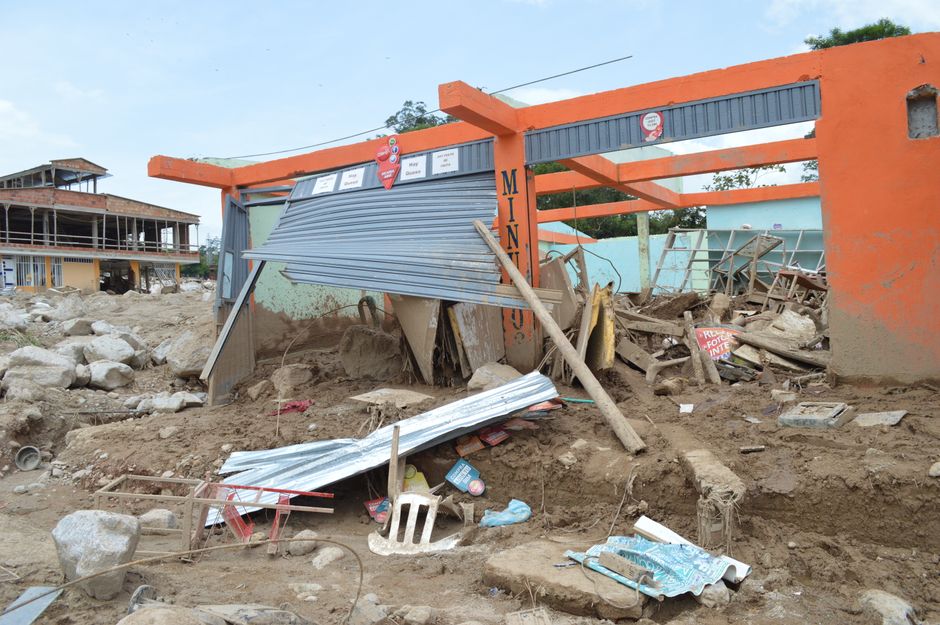
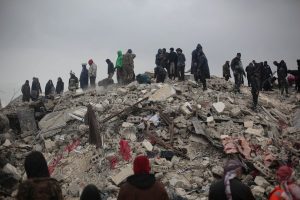
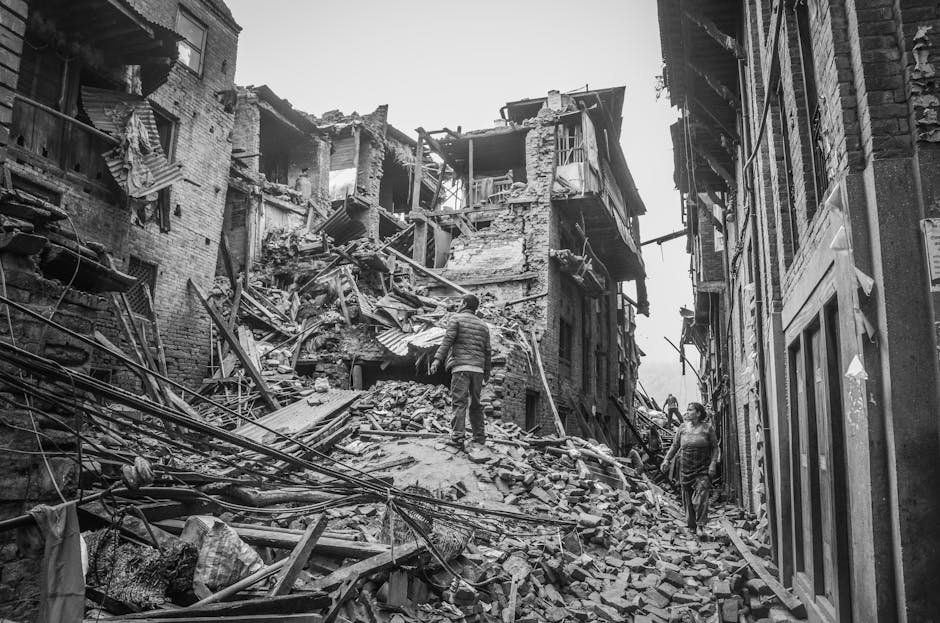
Traditional communication infrastructures are astonishingly vulnerable to the forces unleashed during major crises. Fiber-optic cables, while high-capacity, are physically buried and can be severed by seismic activity, landslides, or flooding. Furthermore, cell towers require grid power and backhaul connectivity, both of which are often among the first casualties in a disaster. A comprehensive study by the Federal Communications Commission (FCC) following Hurricane Katrina highlighted that over 1,000 cell sites were disabled, severely hampering rescue efforts. Consequently, the reliance on a single, geographically concentrated network creates a single point of failure. For instance, during the 2011 earthquake and tsunami in Japan, the destruction was so extensive that it took weeks to restore basic landline and mobile services in the hardest-hit areas.
This systemic fragility necessitates a paradigm shift in how we plan for crisis communications. The concept of network resilience must evolve beyond redundant fiber paths to include fundamentally diverse technological pathways. Satellite networks, by virtue of their position in space, are inherently immune to terrestrial hazards. They do not care if the ground below is shaking, flooding, or burning. This unique attribute makes them the ultimate insurance policy for national communications. Moreover, the cascading effects of a communications blackout extend far beyond the inability to make a phone call. Critical infrastructure like power grids, water treatment plants, and financial networks all depend on data links for control and coordination, making satcom a linchpin for overall societal resilience.
How Satcom Networks Provide Immediate Crisis Connectivity

When disaster strikes, the clock starts ticking on the Golden 72 Hours, the critical period where the chances of saving lives are highest. Satcom networks are uniquely positioned to deliver connectivity within this window. The process begins with the deployment of portable satellite terminals, often flown into the disaster zone aboard the first relief aircraft. These terminals, which can range from briefcase-sized units to vehicle-mounted systems, establish a direct link to a satellite in geostationary orbit (GEO) or a Low Earth Orbit (LEO) constellation. This link creates an instant communications bubble, providing voice, data, and often video conferencing capabilities for command posts, field hospitals, and coordination centers.
Rapid Deployment Systems and First Responder Kits
Modern disaster response kits have been revolutionized by satcom technology. Organizations like the Federal Emergency Management Agency (FEMA) and the United Nations World Food Programme maintain pre-positioned stocks of portable satellite equipment. The Broadband Global Area Network (BGAN) terminal, for example, is a suitcase-sized device that can be set up by a single person in under ten minutes, delivering broadband speeds sufficient for video calls and large file transfers. For larger operations, Satellite News Gathering (SNG) trucks and fly-away kits provide broadcast-quality video links, enabling real-time situational awareness for decision-makers thousands of miles away. This immediacy transforms the response from reactive guesswork to data-driven management.
Furthermore, the integration of satcom with other technologies amplifies its impact. Unmanned Aerial Vehicles (UAVs) or drones, equipped with satellite data links, can survey vast, inaccessible disaster areas, mapping damage and identifying survivors. This video feed, transmitted via satellite, provides an unparalleled real-time view of the crisis. Similarly, IoT sensors monitoring structural integrity of dams or radiation levels can use satellite backhaul to transmit alerts even when local networks are down. This ecosystem of connected devices, all funneling data through the satellite link, creates a comprehensive Common Operational Picture (COP) that is essential for effective resource allocation and life-saving missions.
The Evolution of Satellite Technology for Disaster Recovery
The satcom landscape has undergone a radical transformation, moving far beyond the slow, expensive, and low-bandwidth systems of the past. The advent of High-Throughput Satellites (HTS), which use spot beam technology to concentrate power on specific geographic areas, has dramatically increased available bandwidth and reduced cost-per-bit. This means field hospitals can now transmit high-resolution medical imagery, command centers can run cloud-based disaster management software, and affected populations can access critical information online. Moreover, the rise of Low Earth Orbit (LEO) mega-constellations like SpaceX’s Starlink and OneWeb has been a game-changer.
“LEO constellations offer latency as low as 20-40 milliseconds, comparable to terrestrial fiber, which is revolutionary for real-time coordination and telemedicine in disaster zones,” notes an industry report from the Society of Satellite Professionals International (SSPI).
These user terminals are also becoming more user-friendly and powerful. Starlink’s dish, for instance, has a self-pointing mechanism and can be operational in minutes, a stark contrast to the complex manual alignment required by older VSAT systems. This technological evolution directly translates to faster, more capable disaster response. Additionally, satellite capabilities are expanding beyond simple connectivity. Satellite-based Synthetic Aperture Radar (SAR) can peer through cloud cover and smoke to provide damage assessment images day or night. Satellite AIS (Automatic Identification System) tracking is crucial for maritime search and rescue operations after tsunamis or hurricanes. These value-added services make satcom a multi-tool for crisis managers, not just a communications pipe.
Integrating Satcom into National and International Response Frameworks
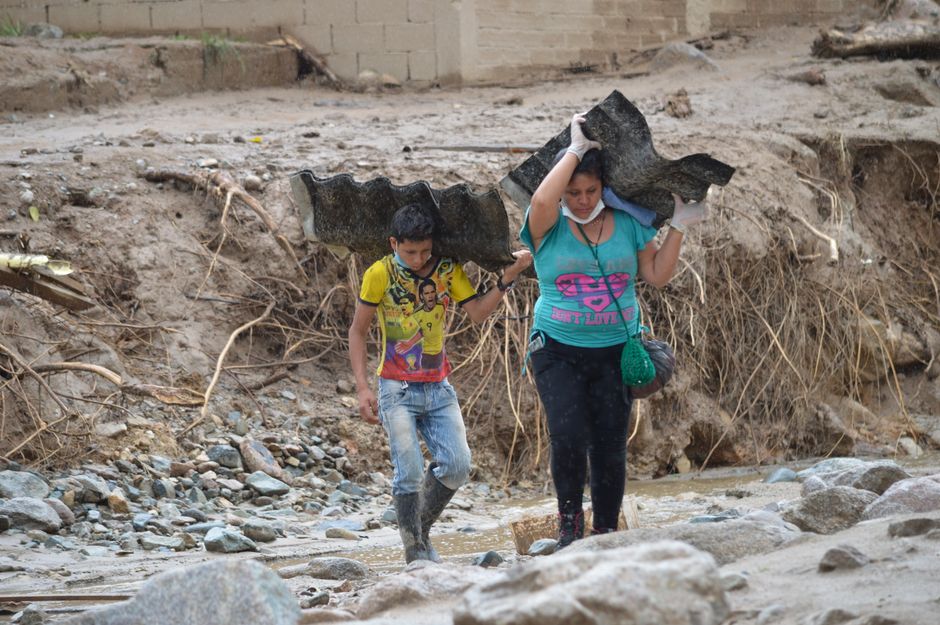
Effective disaster recovery hinges on seamless coordination between local, national, and international agencies. Satcom networks serve as the glue for these complex, multi-stakeholder operations. Domestically, they are integrated into National Public Warning Systems. The U.S. Integrated Public Alert and Warning System (IPAWS), for example, can use satellite pathways to disseminate emergency alerts (WEA, EAS) if terrestrial alerting gateways are compromised. Furthermore, dedicated satellite networks like the First Responder Network Authority (FirstNet) in the U.S. leverage satellite for coverage in remote areas and as a backup during network congestion or failure, ensuring that police, fire, and EMS always have priority communications.
On the international stage, coordination bodies like the United Nations Office for the Coordination of Humanitarian Affairs (OCHA) rely heavily on the Emergency Telecommunications Cluster (ETC). The ETC’s mandate is to provide shared, reliable communications services for the entire humanitarian community in a disaster. They deploy satellite infrastructure to create internet and voice services for dozens of NGOs and UN agencies, preventing duplication of effort and ensuring interoperability. Standardization is key here; agencies use common equipment and protocols, such as those promoted by the TM Forum for disaster connectivity, so that equipment from different countries can work together seamlessly. This global framework turns a potential cacophony of disparate systems into a coherent, life-saving orchestra of communication.
Real-World Case Studies: Satcom Saving Lives
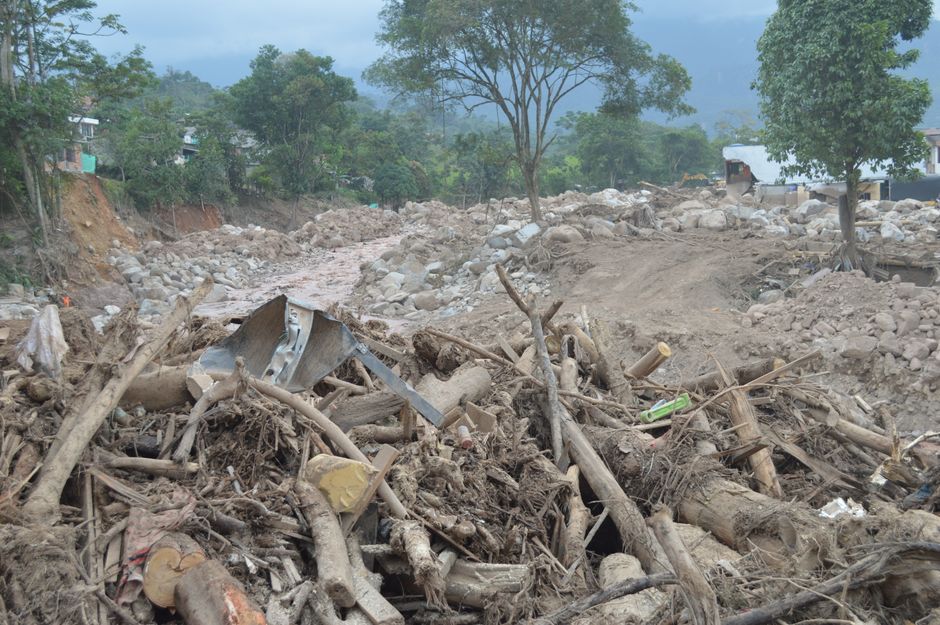
The theoretical importance of satcom is proven in the harsh reality of actual disasters. Consider the 2010 earthquake in Haiti, which destroyed virtually all terrestrial infrastructure. Satellite phones and BGAN terminals were the only means of communication for the first week. Relief organizations used them to coordinate the massive international airlift, manage logistics for hundreds of aid groups, and even enable survivors to contact relatives abroad. Similarly, during Hurricane Maria’s devastation of Puerto Rico in 2017, Starlink terminals were deployed months later to restore connectivity for remote communities and critical infrastructure where fiber repairs were still incomplete.
In the Asia-Pacific region, prone to typhoons and tsunamis, the Japanese government’s investment in the Quasi-Zenith Satellite System (QZSS) provides not only precise positioning but also a satellite-based messaging service for disaster warnings. When the 2022 Hunga Tonga volcanic eruption severed the undersea communications cable, cutting the island nation off from the world, a ship equipped with a satellite terminal provided the first reliable link for officials to assess the scale of the disaster and request aid. These examples underscore a consistent pattern: when all else fails, satcom remains. The question for disaster planners is not if satellite will be needed, but how quickly and how effectively it can be deployed.
- Hurricane Katrina (2005): Exposed catastrophic failure of terrestrial networks; spurred major U.S. investment in satcom for first responders.
- Haiti Earthquake (2010): Satellite communications became the sole coordination tool for a global humanitarian response.
- Hurricane Maria (2017): Highlighted the long-term role of satcom in recovery, bridging the gap until terrestrial networks are rebuilt.
- Tonga Volcanic Eruption (2022): Demonstrated satcom as the only solution when both terrestrial and undersea cables are destroyed.
Future Trends and Essential Preparedness Strategies
The future of satcom in disaster recovery is being shaped by several transformative trends. The most significant is the move toward direct-to-device satellite connectivity. Apple’s Emergency SOS via satellite in newer iPhones and similar initiatives from Android manufacturers mean that millions of civilians will soon carry a personal satellite lifeline in their pocket. This democratizes access, allowing individuals to call for help far outside cellular coverage. Furthermore, the proliferation of LEO constellations will drive costs down and bandwidth up, making it feasible to deploy hundreds of terminals across a disaster zone, not just a handful at command centers.
For governments and organizations, preparedness must move beyond procuring hardware. It requires integrated planning and exercising. Key strategies include:
- Pre-Positioned Contracts: Establishing Standing Agreements with multiple satellite operators for guaranteed capacity (bandwidth-on-demand) during emergencies.
- Regular Drills: Conducting annual disaster exercises that specifically test satellite deployment, setup, and integration with existing command-and-control software.
- Training and Certification: Ensuring a cadre of personnel across relevant agencies are trained and certified to operate key satellite equipment.
- Regulatory Preparedness: Streamlining licensing and frequency coordination processes for emergency satellite deployments to avoid bureaucratic delays when time is critical.
- Public-Private Partnerships: Leveraging the innovation and scale of commercial satellite operators while ensuring they align with public safety requirements and interoperability standards.
Moreover, investing in hybrid network architectures that seamlessly blend terrestrial 5G, fiber, and multiple satellite orbits (GEO, MEO, LEO) will create the most resilient communications fabric possible. The goal is to make robust, immediate connectivity a default expectation in any crisis, not a lucky exception.
Conclusion
In the final analysis, satcom networks are not merely a tool in the disaster recovery toolkit; they are the foundational layer upon which all other coordinated response efforts depend. From the first moments of a catastrophe when situational awareness is zero, to the prolonged recovery phase where communities rebuild, satellite technology provides the critical, uninterrupted flow of information that saves lives, optimizes resources, and restores order. The evolution toward more powerful, affordable, and user-friendly systems, particularly LEO constellations and direct-to-device services, promises to make this resilience accessible to everyone, from federal agencies to individual citizens.
The lesson from decades of disasters is unequivocal: terrestrial networks will fail. Planning for their failure by embedding robust, rapidly deployable satcom capabilities into every level of emergency response is no longer optional—it is a moral and operational imperative. As we face a future of increasing climate volatility and complex threats, the investment in and reliance on satellite communications for disaster recovery will only deepen. Is your organization’s crisis communication plan built on the solid ground of satellite resilience, or the shifting sands of terrestrial assumption?