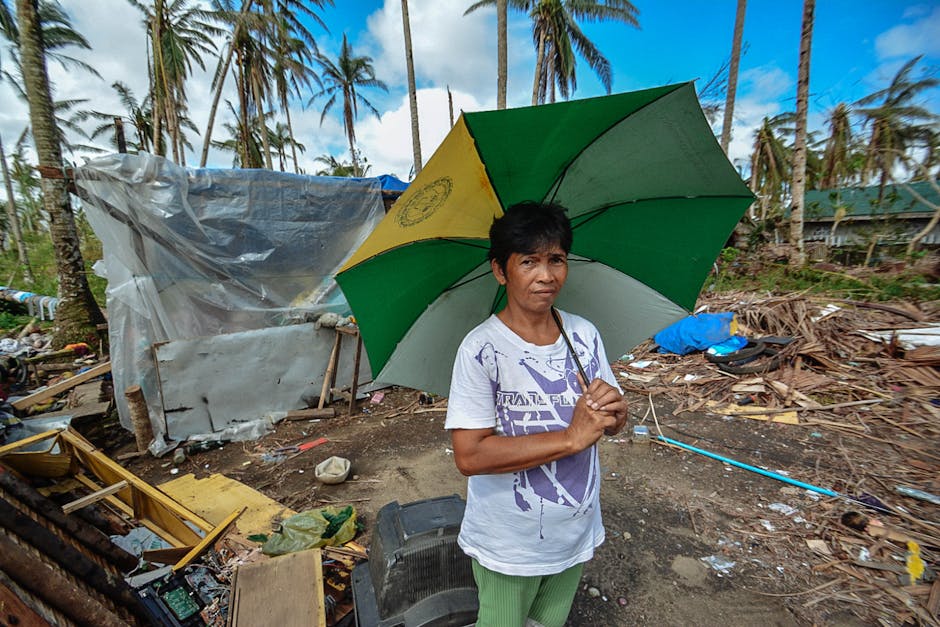
The Indispensable Role of Satellite Communication in Disaster Relief
When natural disasters strike, terrestrial communication networks often crumble under the immense pressure or physical destruction. Power outages, damaged cell towers, and overwhelmed landlines can render traditional communication methods useless precisely when they are needed most. In these critical moments, satellite communication emerges as a vital lifeline, offering a resilient and reliable alternative. Its ability to bypass ground infrastructure makes it uniquely suited for providing essential connectivity for first responders, aid organizations, and affected populations. The future of disaster relief is inextricably linked to the advancement and deployment of robust satellite communication systems, ensuring that critical information can flow even in the most challenging circumstances.
The immediate aftermath of a catastrophic event, such as an earthquake, hurricane, or widespread flooding, presents unprecedented logistical and communication hurdles. Without reliable communication, coordinating rescue efforts, assessing damage, and distributing aid becomes incredibly difficult, if not impossible. This is where the strategic importance of satellite technology becomes starkly apparent. It provides a decentralized communication infrastructure that is not dependent on local power grids or physical network conduits, offering a level of resilience that is simply unmatched by conventional telecom solutions.
Furthermore, the increasing frequency and intensity of natural disasters globally underscore the urgent need for dependable communication strategies. Investing in and integrating satellite communication capabilities into emergency response plans is no longer a luxury but a necessity. As we look towards the future, advancements in satellite technology promise even greater capacity, speed, and accessibility, further solidifying its role in safeguarding lives and facilitating recovery efforts worldwide. This article delves into the current landscape and the promising future of satellite communication in the critical domain of disaster relief.
Key Takeaways
- Satellite communication provides essential connectivity when terrestrial networks fail during disasters.
- Its decentralized nature bypasses damaged infrastructure, ensuring reliability.
- Advancements in satellite technology are increasing capacity, speed, and accessibility for emergency use.
- Integrating satellite solutions into disaster response plans is crucial for effective relief efforts.
- Future innovations will further enhance the role of satellites in saving lives and aiding recovery.
How Satellite Communication Overcomes Terrestrial Network Failures
Terrestrial communication networks, including cellular and landline systems, are highly vulnerable to the physical impacts of disasters. Earthquakes can sever fiber optic cables, hurricanes can topple cell towers, and widespread power outages can disable base stations and switching centers. When these systems fail, the communication blackout can last for days or even weeks, severely hampering rescue operations and leaving communities isolated. Satellite communication, in contrast, operates on a fundamentally different principle. Ground stations communicate with satellites in orbit, which then relay signals back to other ground terminals or directly to user devices, irrespective of the condition of local terrestrial infrastructure.
This inherent independence from ground-based networks is the core advantage of satellite technology in disaster scenarios. For instance, during the devastating 2010 Haiti earthquake, which crippled much of the island’s infrastructure, satellite phones and terminals were among the few reliable means of communication for international aid organizations and government agencies coordinating relief efforts. Without them, the ability to request resources, report on conditions, and direct rescue teams would have been drastically curtailed. This real-world example highlights the critical role satellites play in bridging communication gaps when they are widest.
Moreover, the deployment of mobile satellite terminals can be relatively quick, allowing for the rapid establishment of communication hubs in affected areas. These terminals can provide voice, data, and even broadband internet access, enabling the transmission of vital information such as damage assessments, medical needs, and logistical requirements. The ability to set up temporary, yet robust, communication networks is invaluable in the chaotic initial phase of a disaster response, ensuring that coordination remains effective despite the surrounding devastation.
Advancements Driving the Resilient Future of Satellite Technology
The landscape of satellite communication is evolving rapidly, with technological advancements continuously enhancing its capabilities for disaster relief. The development of smaller, more powerful, and cost-effective satellite terminals has made them more accessible to a wider range of organizations, from large governmental agencies to smaller non-profits. Furthermore, the proliferation of Low Earth Orbit (LEO) satellite constellations, such as Starlink and OneWeb, promises to deliver high-speed, low-latency broadband services globally, including in remote and disaster-prone regions. These LEO systems offer significant advantages over traditional Geostationary Orbit (GEO) satellites, particularly in terms of reduced signal delay, which is crucial for real-time communication and data transfer.
Another significant advancement is the increasing integration of satellite technology with existing terrestrial networks through hybrid solutions. This approach allows for seamless communication handover, where satellite connectivity can automatically kick in to supplement or replace terrestrial services when they become unavailable. Innovations in antenna technology, such as phased-array antennas, enable more efficient signal tracking and reception, even from mobile platforms like vehicles or aircraft. These improvements collectively contribute to a more robust and adaptable communication infrastructure that can better withstand and respond to disaster-induced disruptions.
The push towards miniaturization and increased power efficiency in satellite payloads and user equipment is also noteworthy. This trend allows for the development of portable, battery-operated satellite devices that can function for extended periods without external power sources, a critical factor during widespread power outages. As satellite communication technology continues to mature, we can expect even more integrated and user-friendly solutions tailored specifically for emergency response scenarios, further solidifying its role in the resilient future of disaster relief.
Key Applications in Emergency Response and Recovery
In disaster scenarios, satellite communication enables a wide array of critical applications that are essential for effective response and recovery. Firstly, it provides a reliable means for emergency communication among first responders, including police, fire departments, and medical teams. This allows for real-time coordination of search and rescue operations, efficient allocation of resources, and the sharing of crucial situational awareness. For instance, satellite-linked command centers can be rapidly deployed to disaster zones, providing a central hub for communication and decision-making when local infrastructure is compromised.
Secondly, satellite technology is indispensable for enabling communication for humanitarian aid organizations. Groups like the Red Cross, Doctors Without Borders, and the World Food Programme rely heavily on satellite links to coordinate the delivery of food, water, shelter, and medical supplies. They use satellite terminals to communicate with their field teams, report on needs, and coordinate logistics with international partners. This ensures that aid reaches those who need it most, even in the most inaccessible areas following a disaster. The ability to transmit data, images, and even video feeds via satellite can also significantly improve the assessment of damage and needs on the ground.
Furthermore, satellite communication plays a vital role in restoring connectivity for affected populations. While the primary focus is often on emergency services, providing limited internet access via satellite can help individuals reconnect with loved ones, access vital information, and support mental well-being during the recovery phase. Public Wi-Fi hotspots powered by satellite can be established in temporary shelters or community centers, offering a crucial link to the outside world. This multifaceted utility underscores why satellite communication is a cornerstone of modern disaster preparedness and response strategies.
Challenges and Considerations for Satellite Deployment
Despite its immense benefits, the deployment and effective utilization of satellite communication in disaster relief are not without challenges. One significant hurdle is the cost associated with satellite terminals, airtime, and specialized training. While prices have decreased, the initial investment can still be prohibitive for some smaller organizations or local government agencies, potentially creating disparities in communication capabilities during emergencies. Furthermore, ensuring that personnel are adequately trained to operate and maintain satellite equipment under stressful conditions is paramount; inadequate training can lead to equipment being underutilized or rendered ineffective.
Another consideration is the logistical complexity of transporting and deploying satellite equipment to remote or inaccessible disaster sites. While satellite terminals are generally portable, they still require setup, power, and a clear line of sight to the sky. In densely forested areas or urban canyons with tall buildings, signal obstruction can become an issue, requiring careful site selection for optimal performance. Moreover, the reliance on orbital satellites means that service availability can be affected by factors like weather conditions (though less so than terrestrial systems) and the operational status of the satellites themselves.
Finally, regulatory hurdles and spectrum allocation can sometimes complicate the rapid deployment of satellite communication services, particularly in cross-border disaster relief operations. Ensuring interoperability between different satellite systems and ground terminals used by various international and national agencies is also an ongoing challenge. Addressing these issues through pre-disaster planning, international cooperation, and continued technological innovation is essential to fully harness the potential of satellite communication for disaster resilience.
The Role of LEO Constellations and Future Outlook
The emergence of large Low Earth Orbit (LEO) satellite constellations is poised to revolutionize satellite communication, particularly in the context of disaster relief. Unlike traditional Geostationary Orbit (GEO) satellites, LEO satellites orbit much closer to Earth, enabling significantly lower latency and higher bandwidth. This means that users can experience internet speeds comparable to terrestrial broadband, with near real-time voice and data transmission. For disaster response, this translates to the ability to transmit large files, conduct high-definition video conferences, and utilize cloud-based applications seamlessly, even from the most remote locations.
Companies like SpaceX (Starlink) and OneWeb are deploying thousands of small satellites into LEO, creating a dense network that offers near-global coverage. This increased capacity and reduced latency are game-changers for disaster situations. Imagine first responders being able to instantly share high-resolution drone footage of a collapsed building, allowing rescue teams to pinpoint survivors more effectively. Or consider aid agencies rapidly uploading and downloading detailed inventory and needs assessments, optimizing the flow of critical supplies. The potential for enhanced situational awareness and faster decision-making is immense.
Looking ahead, the future of satellite communication in disaster relief will likely involve a hybrid approach, integrating LEO and GEO capabilities with terrestrial networks. This multi-layered strategy ensures redundancy and resilience, providing the best of all worlds: the global reach and high capacity of LEO, the broad coverage of GEO, and the familiarity and ubiquity of terrestrial systems. As these technologies mature and become more affordable, their integration into standard emergency response protocols will become increasingly common, making our world more resilient to the impacts of disasters.
Conclusion
The indispensable role of satellite communication in disaster relief has been unequivocally demonstrated time and again. As natural disasters continue to pose a significant threat globally, the resilience and reliability offered by satellite technology provide a critical safety net when terrestrial networks inevitably fail. From coordinating complex search and rescue operations to delivering essential aid and reconnecting isolated communities, satellites bridge the communication void, saving lives and facilitating recovery. The ongoing advancements, particularly the advent of LEO constellations, promise to further enhance speed, capacity, and accessibility, making satellite solutions more powerful and integrated than ever before.
Embracing and investing in satellite communication infrastructure is not merely an option but a strategic imperative for ensuring global disaster resilience. By overcoming the limitations of traditional communication methods, satellite technology empowers first responders and humanitarian organizations with the tools they need to operate effectively under the most extreme conditions. The future is bright for the integration of satellite capabilities into all levels of emergency preparedness and response, creating a more connected and secure world.
Are you leveraging satellite communication in your disaster preparedness plans, or do you see its potential for your organization? Share your thoughts and experiences in the comments below!
Frequently Asked Questions
What is the primary advantage of satellite communication in disaster relief?
The primary advantage is its resilience and independence from terrestrial infrastructure. Unlike cell towers or landlines that can be destroyed or rendered inoperable by natural disasters, satellite communication relies on orbiting satellites and ground terminals, allowing it to provide connectivity even when local networks are completely down. This ensures critical communication channels remain open for emergency responders and aid organizations.
How do LEO satellite constellations improve disaster response?
LEO (Low Earth Orbit) satellite constellations offer significantly lower latency and higher bandwidth compared to traditional GEO (Geostationary Orbit) satellites. This means faster, more reliable internet access with less delay, enabling real-time data sharing, high-definition video communication, and better coordination for disaster response teams. Their dense network also provides more consistent coverage, even in remote areas affected by disasters.
Can satellite phones work during a hurricane?
Yes, satellite phones are designed to work during hurricanes and other severe weather events. Because they communicate directly with satellites in orbit, they are not dependent on local cell towers which are often damaged or destroyed by high winds and flooding. While extremely severe weather can sometimes cause temporary signal degradation, satellite phones generally offer a much more reliable communication option when terrestrial networks fail.
What are the main challenges in using satellite communication for disaster relief?
Key challenges include the high cost of equipment and service, the need for specialized training to operate the technology effectively, and logistical difficulties in deploying terminals to remote or damaged areas. Ensuring a clear line of sight to the sky and navigating potential regulatory hurdles can also present obstacles. Interoperability between different satellite systems used by various agencies is another important consideration.
How is satellite communication being integrated with other networks for disaster response?
Integration often involves creating hybrid networks where satellite connectivity acts as a backup or supplement to terrestrial networks (like cellular or Wi-Fi). This allows for seamless communication handover – if the terrestrial network fails, the satellite system automatically takes over. This approach ensures maximum connectivity uptime and leverages the strengths of different network types for a more robust overall solution.
What is the future outlook for satellite communication in disaster relief?
The future outlook is very strong, driven by continuous technological advancements. LEO constellations will provide high-speed broadband, miniaturized terminals will increase portability, and hybrid network solutions will enhance reliability. We expect satellite communication to become an even more integral and accessible component of global disaster preparedness and response strategies, significantly improving our ability to manage crises.