The Resilient Future of Satellite Communication in Disaster Relief
When natural disasters strike, the immediate aftermath is often characterized by chaos and a critical loss of infrastructure, particularly communication networks. In these dire moments, the ability to connect first responders, coordinate aid, and inform affected populations becomes paramount. Satellite communication emerges as a uniquely resilient solution, offering a lifeline when traditional terrestrial systems are rendered inoperable. Its inherent ability to bypass ground-level damage makes it an indispensable tool for ensuring continuity of operations during emergencies. The future of disaster relief increasingly hinges on the robust and reliable connectivity that only satellite technology can provide.
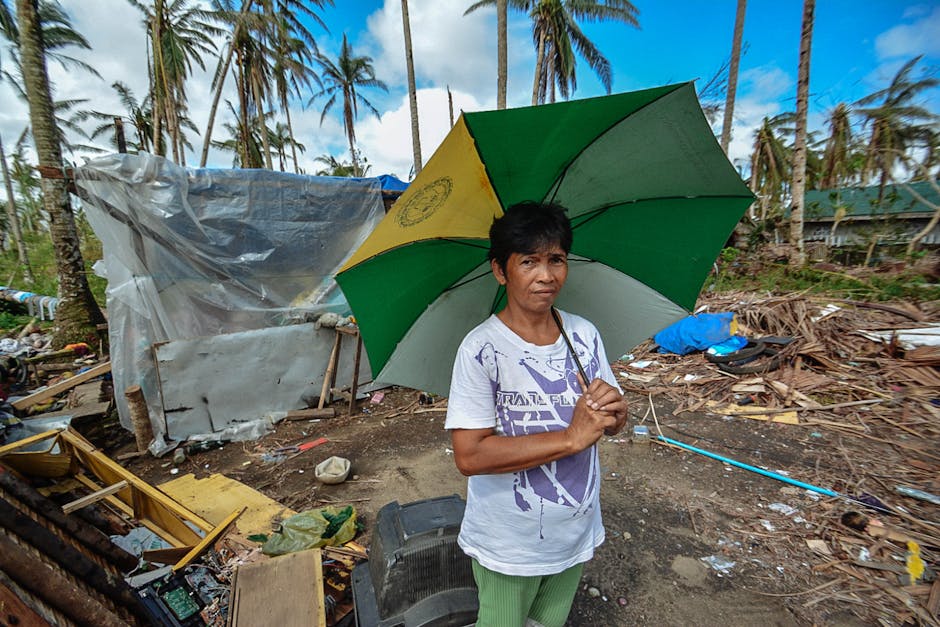
The devastating impact of events like hurricanes, earthquakes, and floods often leaves behind a landscape of destroyed cell towers, severed fiber optic cables, and impassable roads. This physical destruction cripples conventional communication methods, isolating communities and hindering rescue efforts. In contrast, satellite systems, operating from space, are largely immune to these localized terrestrial failures. This inherent advantage positions satellite communication not just as a backup, but as a primary enabler of effective disaster response. Understanding its capabilities is crucial for building more resilient communities worldwide.
Key Takeaways
- Satellite communication provides vital connectivity when terrestrial networks fail during disasters.
- Its space-based nature makes it resilient to ground-level infrastructure damage.
- Key benefits include rapid deployment, broad coverage, and secure data transmission.
- New Low Earth Orbit (LEO) constellations are enhancing speed and reducing latency for real-time applications.
- Governments and aid organizations must integrate satellite solutions into their emergency preparedness plans.
- The future of disaster relief relies heavily on the continued innovation and deployment of satellite technology.
The Unique Advantages of Satellite Connectivity in Emergencies
One of the most significant advantages of satellite communication is its unparalleled geographical reach. Unlike terrestrial networks that require extensive physical infrastructure like cell towers and cables, a single satellite can cover vast areas, including remote or inaccessible regions. This broad coverage is critical in disaster scenarios where damage may be widespread and difficult to assess quickly. Furthermore, satellite terminals can be rapidly deployed to affected areas, often within hours of a request, establishing essential communication links for emergency management agencies, hospitals, and temporary shelters. This speed of deployment is crucial for coordinating immediate life-saving efforts.
Moreover, satellite communication offers a high degree of reliability and redundancy. By establishing a network independent of ground infrastructure, it provides a robust alternative that is not susceptible to power outages or physical destruction affecting local grids. Many satellite terminals are designed for portability and can operate using independent power sources, such as generators or solar power, further enhancing their operational resilience. This autonomy is vital when power infrastructure is compromised, a common occurrence in major disaster events. For instance, during the aftermath of Hurricane Maria in Puerto Rico, satellite phones were among the few communication devices that remained functional for extended periods, enabling critical coordination.
Overcoming Traditional Communication Barriers with Satellite Technology
Traditional communication networks, while advanced, are inherently vulnerable to the physical impact of disasters. Earthquakes can shatter fiber optic cables, floods can inundate server farms, and high winds can topple cell towers, leading to widespread communication blackouts. Satellite communication circumvents these vulnerabilities by utilizing a network of satellites in orbit, relaying signals between ground terminals and the satellites themselves. This space-based architecture means that the critical communication pathways remain intact even when the ground is devastated. It allows for the restoration of essential services, such as voice calls, data transmission, and even video conferencing, which are vital for situational awareness and decision-making during a crisis.
The deployment of mobile satellite terminals, ranging from briefcase-sized units to vehicle-mounted systems, allows for the rapid establishment of command centers and communication hubs in disaster zones. These terminals can connect responders to national and international networks, facilitating the coordination of search and rescue operations, medical support, and the distribution of aid. The ability to quickly set up a functioning communication network is often the difference between life and death for individuals trapped or injured in disaster-stricken areas. For instance, the deployment of a satellite-based Wi-Fi hotspot can provide a crucial link for affected residents to contact loved ones and access vital information.
The Evolution: LEO Constellations and Enhanced Capabilities
The satellite communication landscape is undergoing a significant transformation with the rise of Low Earth Orbit (LEO) satellite constellations. Companies like SpaceX (Starlink), OneWeb, and Amazon (Project Kuiper) are launching thousands of smaller satellites into lower orbits, offering substantial improvements over traditional geostationary (GEO) satellites. LEO satellites are much closer to Earth, which dramatically reduces signal latency, the time it takes for data to travel from the terminal to the satellite and back. This reduction in latency is critical for real-time applications such as live video feeds from drones surveying damage, telemedicine consultations, and high-speed data transfers necessary for modern emergency response coordination.
These LEO constellations also offer the potential for more affordable and ubiquitous connectivity. As the number of satellites increases and technology advances, the cost per gigabyte of data is expected to decrease, making satellite internet more accessible for disaster relief organizations and potentially for affected populations. Furthermore, the sheer density of LEO satellites ensures greater coverage and resilience, as the failure of a single satellite has a minimal impact on the overall network performance. This enhanced capability means that disaster response teams can rely on faster, more responsive, and more widespread internet access, significantly improving their operational efficiency.
Integrating Satellite Communication into Disaster Preparedness Strategies
Effective disaster preparedness requires a proactive approach to integrating advanced technologies like satellite communication into existing emergency response frameworks. Governments and non-governmental organizations (NGOs) must move beyond viewing satellite as a last resort and recognize its potential as a primary tool for maintaining connectivity. This involves strategic planning, including the procurement of satellite terminals and airtime, training personnel on their use, and conducting regular drills that incorporate satellite communication capabilities. Such preparedness ensures that when disaster strikes, the technology is ready to be deployed seamlessly.
Moreover, fostering partnerships between satellite service providers, government agencies, and humanitarian organizations is crucial. These collaborations can lead to tailored solutions, pre-negotiated service level agreements for emergency use, and dedicated support channels. For example, agreements can be established to prioritize bandwidth for critical relief operations during emergencies. Investing in these partnerships and planning ensures that the full potential of satellite communication in disaster relief is realized, building more resilient infrastructure for the future.
Challenges and Future Outlook for Satellite Communication in Disasters
Despite its significant advantages, challenges remain in the widespread adoption and effective utilization of satellite communication for disaster relief. The cost of satellite terminals and service can still be a barrier for some organizations, particularly smaller local agencies or those in developing nations. Additionally, while LEO satellites reduce latency, they require a larger number of ground stations (gateways) to connect to terrestrial networks, and these gateways themselves can be vulnerable to disasters. Ensuring the security and resilience of these gateways is an ongoing challenge for providers.
However, the future outlook is overwhelmingly positive. Continuous innovation in satellite technology, including smaller, more powerful terminals and increasingly sophisticated LEO and Medium Earth Orbit (MEO) constellations, promises even greater capabilities. The growing emphasis on resilient infrastructure and the increasing frequency and severity of natural disasters worldwide are driving greater investment and interest in satellite solutions. As these technologies mature and become more cost-effective, satellite communication will undoubtedly play an even more critical role in mitigating the impact of disasters and supporting recovery efforts globally.
The Role of Satellite Communication in Saving Lives
In the critical hours and days following a disaster, every minute counts. The ability to communicate instantly and reliably can mean the difference between life and death. Satellite communication provides that crucial link, enabling first responders to coordinate rescue missions effectively, direct medical aid to where it’s needed most, and establish communication channels for affected populations to call for help. Without this technology, the response can be fragmented and delayed, leading to preventable loss of life and prolonged suffering. For instance, coordinating helicopter rescues or directing ground teams through debris fields relies heavily on stable, real-time communication.
Furthermore, satellite connectivity facilitates the dissemination of vital information to the public during a crisis. Emergency alerts, evacuation orders, shelter locations, and safety instructions can be broadcast widely, helping to manage populations and prevent further harm. In areas where internet and cellular service are non-existent, satellite-powered Wi-Fi hotspots or direct satellite messaging services can become the primary means for individuals to connect with the outside world, check on loved ones, and receive essential updates. This role in information dissemination is as critical as enabling operational coordination for response teams.
Frequently Asked Questions
What is satellite communication in the context of disaster relief?
Satellite communication in disaster relief refers to the use of orbiting satellites to provide voice and data connectivity in areas where terrestrial communication networks (like cell towers and landlines) have been damaged or destroyed. These systems bypass ground infrastructure, offering a reliable way to coordinate rescue efforts, disseminate information, and maintain essential communication links during emergencies.
How does satellite communication remain resilient during disasters?
Satellite communication is resilient because its infrastructure is primarily in space, making it immune to ground-level damage like floods, earthquakes, or high winds that destroy cell towers and fiber optic cables. Portable satellite terminals can also operate independently of local power grids, often using their own power sources, further ensuring connectivity when traditional services fail.
What are the benefits of using satellite communication for disaster relief?
The key benefits include rapid deployment of communication services, extensive geographical coverage (including remote areas), high reliability, and the ability to establish secure communication links. It ensures that emergency responders can coordinate effectively, access critical data, and maintain contact even in the most challenging circumstances, ultimately saving lives and aiding recovery.
How are LEO satellite constellations changing disaster relief communication?
Low Earth Orbit (LEO) constellations offer significantly lower latency compared to traditional geostationary satellites, enabling faster, real-time communication essential for applications like live video and high-speed data transfer. They also promise greater coverage and potentially lower costs, making advanced satellite connectivity more accessible for disaster response organizations and affected regions.
What are the main challenges in deploying satellite communication for disaster response?
The primary challenges include the cost of equipment and service, which can be prohibitive for some organizations. Ensuring the security and resilience of ground stations (gateways) that connect satellites to terrestrial networks is also crucial. Furthermore, training personnel to effectively operate and maintain satellite equipment requires dedicated resources and planning.
Why is satellite communication essential for the future of disaster relief?
As natural disasters become more frequent and severe, relying solely on vulnerable terrestrial networks is insufficient. Satellite communication offers the indispensable resilience and reach needed to maintain connectivity, coordinate response efforts, and support recovery, making it a foundational element for building more robust disaster preparedness and response capabilities globally.
Conclusion
The resilience and reach of satellite communication are no longer just supplementary assets; they are fundamental pillars for effective disaster relief in an increasingly unpredictable world. As we face more frequent and severe natural disasters, the ability to establish and maintain vital communication links when terrestrial infrastructure inevitably fails is paramount. Satellite technology, particularly with the advancements brought by LEO constellations, offers unparalleled reliability, rapid deployment, and broad coverage, ensuring that critical coordination, life-saving information, and essential support can reach those in need, regardless of ground conditions.
Integrating satellite communication capabilities into national and international disaster preparedness strategies is not merely an option but a necessity for safeguarding communities. By investing in the technology, fostering partnerships, and ensuring adequate training, we can build a more resilient future where communication empowers response and accelerates recovery. The ongoing evolution of satellite technology promises even greater efficiencies and accessibility, solidifying its indispensable role in mitigating the impact of crises and enhancing global safety.
How can your organization better integrate satellite communication into its emergency preparedness plans to ensure a resilient future?