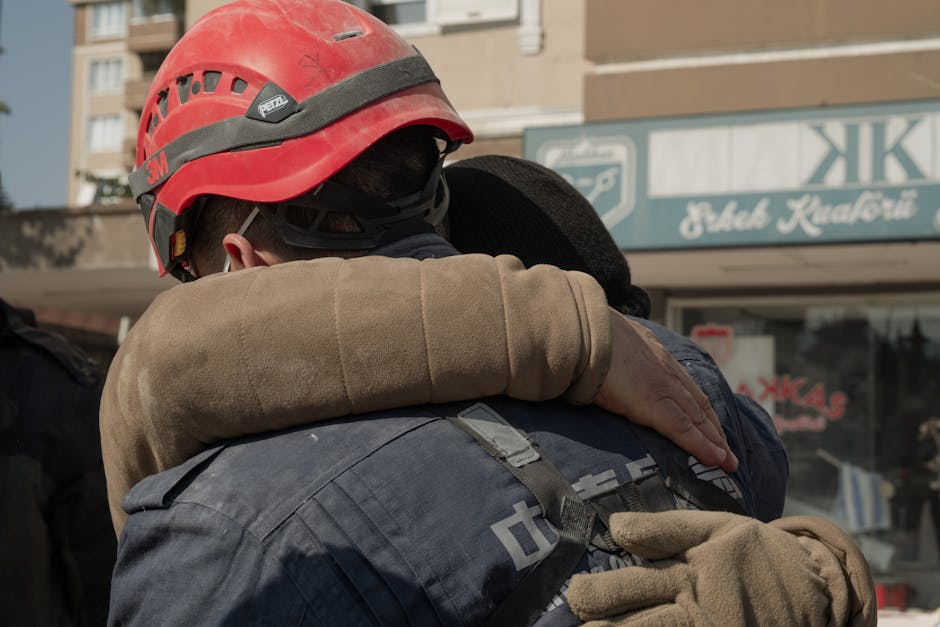
The Resilient Future of Satellite Communication in Disaster Relief
When natural disasters strike, the immediate aftermath often sees terrestrial communication networks crippled, leaving first responders and affected communities in a critical information void. In these moments of extreme vulnerability, satellite communication emerges not just as a backup, but as a lifeline, proving its indispensable role in disaster relief efforts. The ability of satellite systems to bypass damaged ground infrastructure makes them uniquely positioned to provide essential connectivity precisely when and where it is needed most. This resilience is paving the way for an even more robust and integrated future for satellite technology in humanitarian aid and emergency response.
Key Takeaways
- Satellite communication offers unparalleled resilience by bypassing damaged terrestrial infrastructure during disasters.
- It enables rapid deployment of emergency services and coordination among relief agencies.
- Advancements in LEO constellations and integrated satellite-terrestrial networks are enhancing capabilities.
- Cost reduction and increased accessibility are making satellite solutions more viable for broader disaster response.
- Policy and regulatory frameworks are evolving to better support satellite use in emergencies.
The Critical Role of Connectivity During Disasters
Disasters, whether natural or man-made, invariably disrupt the normal flow of life and, critically, communication. Earthquakes can shatter cell towers, hurricanes can sever fiber optic cables, and floods can inundate data centers. This breakdown in connectivity has direct and dire consequences. Emergency services struggle to coordinate rescue efforts, hospitals face challenges in communicating patient needs, and individuals are unable to reach loved ones or access vital information about safety and aid. For instance, following the 2010 Haiti earthquake, much of the country’s communication infrastructure was destroyed, making it incredibly difficult for international aid organizations to coordinate their response effectively on the ground. Reliable communication is the bedrock of any effective disaster response, allowing for situational awareness, resource allocation, and the dissemination of critical public safety messages.
Without robust communication channels, the effectiveness of disaster response is severely hampered. Search and rescue teams cannot communicate their progress or needs, medical personnel cannot relay critical patient data, and government agencies struggle to assess damage and direct resources. This lack of coordination can lead to delayed aid, wasted resources, and, tragically, loss of life. The reliance on traditional infrastructure makes response efforts vulnerable to the very events they are trying to mitigate. Therefore, establishing resilient communication pathways is not a luxury but a fundamental necessity for saving lives and mitigating suffering in crisis situations.
Satellite Communication: The Unmatched Solution for Remote and Damaged Areas
Satellite communication systems operate independently of terrestrial networks. A satellite in orbit acts as a relay station, transmitting signals between ground terminals. This inherent design means that even if all local cell towers and landlines are destroyed, a satellite terminal can still establish a connection to the outside world, provided it has a clear view of the sky. This capability is particularly vital in remote, rural, or island regions that may have limited or unreliable terrestrial infrastructure even under normal circumstances. When a disaster strikes these areas, the gap left by non-existent or damaged infrastructure is filled by satellite technology.
Consider the aftermath of a major hurricane in an archipelago. While ships and aircraft can bring aid, coordinating their deployment and operations becomes a monumental task without reliable communication. Satellite phones, VSAT terminals, and mobile satellite internet services allow disaster management agencies to establish command centers, communicate with deployed teams, and coordinate logistics from anywhere. For example, organizations like the United Nations Satellite Centre (UNOSAT) use satellite imagery and communication to assess damage and support humanitarian operations, demonstrating the practical application of this technology in real-world crises. The ability to establish a communications hub within hours of deployment, regardless of local infrastructure status, is a game-changer for efficient and effective disaster response.
Technological Advancements Enhancing Satellite Capabilities
The satellite communication landscape is undergoing a rapid transformation, significantly enhancing its utility in disaster relief. The advent of Low Earth Orbit (LEO) satellite constellations, such as those pioneered by SpaceX’s Starlink and OneWeb, offers lower latency and higher bandwidth compared to traditional Geostationary Orbit (GEO) satellites. This means faster internet speeds and more reliable connections, enabling richer data exchange, video conferencing for remote assessments, and broader connectivity for more users. These LEO systems can be deployed more rapidly, and their smaller, more numerous satellites can provide more resilient coverage, as the failure of one satellite has less impact on the overall network.
Furthermore, innovation is focused on making satellite terminals more portable, rugged, and user-friendly. Devices are becoming smaller, lighter, and more power-efficient, allowing them to be easily carried by first responders or deployed quickly in temporary shelters. The integration of satellite technology with other communication platforms, such as cellular networks (often referred to as satellite-to-cell or direct-to-device), is also on the horizon. This would allow standard mobile phones to connect directly to satellites in areas with no terrestrial coverage, vastly expanding the reach of emergency communications to the general population. These advancements are making satellite communication not only more capable but also more accessible and integrated into broader emergency response toolkits.
Expanding Accessibility and Affordability
Historically, satellite communication equipment and services were often perceived as prohibitively expensive, limiting their widespread adoption in disaster relief, particularly for smaller organizations or in resource-constrained environments. However, this paradigm is shifting. The increased competition from new LEO constellations and the mass production of satellite components are driving down costs for both hardware and service plans. This trend makes satellite solutions more financially accessible to a wider range of humanitarian organizations, national disaster agencies, and even local government bodies.
For instance, many relief organizations are now able to procure and deploy satellite terminals as part of their standard emergency kits, rather than treating them as a specialized, last-resort option. Service providers are also offering more flexible and scalable plans tailored for disaster response, allowing agencies to activate services only when needed and pay based on usage. This cost-effectiveness, combined with the inherent reliability, makes a compelling case for integrating satellite communication into the core of disaster preparedness strategies. As prices continue to fall, we can expect to see even greater adoption, transforming how disaster-affected populations and responders stay connected.
Policy, Regulation, and Future Integration
The effective utilization of satellite communication in disaster relief also hinges on supportive policy and regulatory frameworks. International agreements and national regulations play a crucial role in ensuring that satellite spectrum is available, that equipment can be easily imported and deployed during emergencies, and that interoperability between different systems is facilitated. Organizations like the International Telecommunication Union (ITU) work to harmonize spectrum use and promote the deployment of communication technologies for disaster mitigation and relief.
Looking ahead, the future involves a more seamless integration of satellite communication into the broader telecommunications ecosystem. This includes developing protocols for rapid spectrum allocation during emergencies, establishing pre-agreed deployment plans with satellite operators, and fostering stronger partnerships between governments, NGOs, and private satellite companies. The goal is to move beyond satellite as a standalone solution to a fully integrated component of a resilient national and global communication infrastructure that can be activated automatically or semi-automatically when terrestrial networks fail. This proactive approach ensures that satellite communication in disaster relief is not just a reactive measure but a fundamental pillar of modern emergency preparedness.
Addressing the Challenges and Looking Ahead
Despite the advancements, challenges remain. Ensuring adequate training for personnel on operating satellite equipment, maintaining a sufficient number of deployable terminals, and managing the logistical complexities of getting equipment to the right place at the right time are ongoing concerns. Furthermore, the reliance on satellite links can sometimes be affected by extreme weather conditions that may obscure the signal, although modern systems are increasingly robust. Continuous investment in network redundancy and technological improvements is essential to mitigate these risks.
Moving forward, the trend is clear: satellite communication is becoming an increasingly vital and integrated part of disaster relief operations worldwide. The resilience it offers, coupled with falling costs and expanding capabilities, positions it as a cornerstone of future emergency response strategies. How can your organization best leverage these evolving satellite capabilities for your preparedness plans?
Frequently Asked Questions
What makes satellite communication resilient during disasters?
Satellite communication is resilient because it operates independently of terrestrial infrastructure like cell towers and fiber optic cables, which are often damaged or destroyed during disasters. Satellites in orbit relay signals directly between ground terminals, allowing communication to be established even when local networks are non-functional, provided there is a clear view of the sky.
How has technology improved satellite communication for disaster relief?
Recent technological advancements include the deployment of Low Earth Orbit (LEO) satellite constellations, which offer lower latency and higher bandwidth, enabling faster and more reliable internet access. Additionally, satellite terminals are becoming smaller, more portable, and user-friendly, while direct-to-device satellite connectivity is emerging, promising to connect standard mobile phones in remote areas.
Why is satellite communication becoming more affordable for disaster relief?
Increased competition among satellite providers, particularly with the rise of LEO constellations, and advancements in mass production are driving down the costs of both satellite hardware and service plans. This makes satellite solutions more accessible for a wider range of organizations, including smaller NGOs and local agencies, enabling them to integrate these critical communication tools into their preparedness strategies.
Can satellite phones work in any disaster scenario?
Satellite phones are highly effective in most disaster scenarios where terrestrial communication fails. However, their signal can potentially be obstructed by extremely dense structures, underground locations, or severe atmospheric conditions. Generally, they require an unobstructed line of sight to the satellite, making them ideal for open areas or elevated positions.
What role do LEO constellations play in satellite communication for disaster relief?
LEO constellations like Starlink and OneWeb provide significantly lower latency and higher speeds compared to traditional GEO satellites. This means near real-time data transfer, enabling better coordination for emergency teams, faster dissemination of information, and improved capabilities for remote diagnostics and support during disaster relief operations.
How can policy and regulation support satellite communication in disaster relief?
Supportive policies and regulations facilitate disaster relief by ensuring access to necessary satellite spectrum, simplifying the process for emergency equipment import and deployment, and promoting interoperability standards between different satellite systems. International coordination and national emergency preparedness plans that include satellite communication protocols are vital.
Conclusion
The resilience and expanding capabilities of satellite communication in disaster relief are undeniable. As technology continues to advance and costs decrease, these systems are moving from being a niche solution to an integral part of global emergency response infrastructure. They provide the essential connectivity needed to coordinate efforts, save lives, and begin the recovery process when terrestrial networks fail. The future promises even greater integration, affordability, and accessibility, solidifying satellite technology’s role as a critical component in building a more resilient world against the impacts of disasters.
By embracing and investing in satellite communication, relief organizations and governments can significantly enhance their ability to respond effectively to crises. How is your community or organization preparing to utilize these vital communication links in the face of potential emergencies?