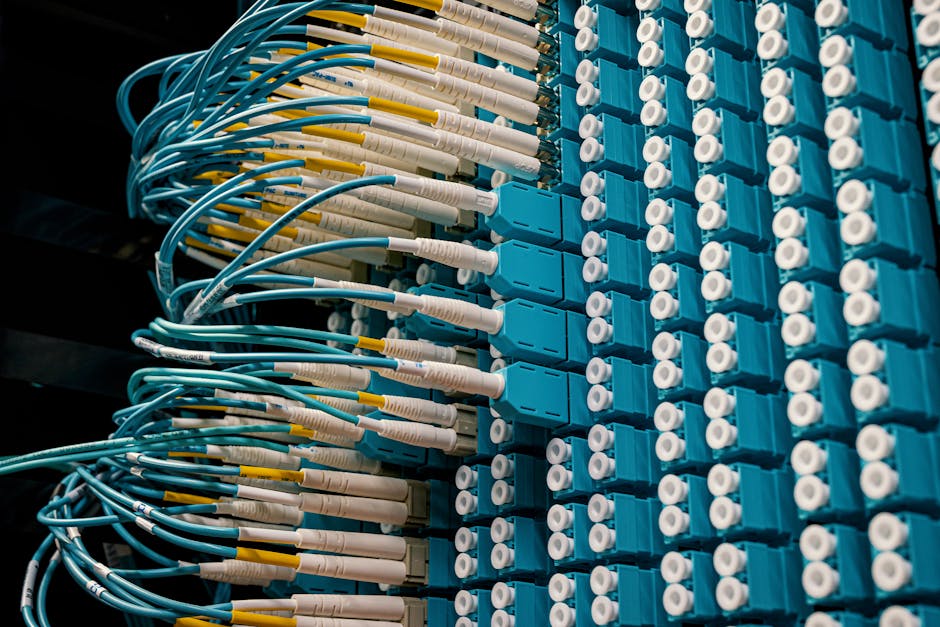
Fiber Network Expansions in Africa: Fueling Digital Transformation
The digital landscape of Africa is undergoing a profound transformation, driven significantly by rapid fiber network expansions and new projects. Historically, the continent has faced substantial connectivity challenges, including limited broadband access, high costs, and unreliable infrastructure. However, a surge in investment and strategic initiatives is now dramatically reshaping this narrative, bringing high-speed internet closer to millions. These advancements are not merely about faster speeds; they represent a critical enabler of economic development, educational opportunities, and improved healthcare across the continent. As more communities gain access to robust fiber infrastructure, the potential for innovation and digital inclusion grows exponentially.
This evolution is fueled by a confluence of factors: increasing demand for data, government support for digital agendas, and the strategic entry of private sector players eager to tap into Africa’s burgeoning digital economy. The focus on fiber optics is paramount due to its capacity for high bandwidth, low latency, and future-proofing capabilities, making it the backbone of modern digital services. Understanding the scope and impact of these fiber network expansions and new projects is crucial for grasping the future trajectory of connectivity and digital services across Africa.
Key Takeaways
- Significant investments are driving widespread fiber network expansions and new projects across Africa.
- These initiatives are crucial for bridging the digital divide and improving access to essential services.
- Government policies and private sector partnerships are key enablers of this growth.
- Fiber optics offers superior bandwidth, lower latency, and future-proof connectivity compared to older technologies.
- New projects are focusing on both urban centers and underserved rural areas, promoting inclusive digital growth.
- The expansion is poised to unlock significant economic opportunities and enhance digital literacy across the continent.
The Imperative for Enhanced Connectivity in Africa
Africa’s population is increasingly digitally connected, with mobile penetration rates soaring. However, the quality and accessibility of fixed broadband, particularly fiber, remain a significant bottleneck for many. This disparity hinders the development of advanced digital services, limits business competitiveness, and exacerbates the digital divide between urban and rural areas. The need for robust, high-speed internet is no longer a luxury but a fundamental requirement for participation in the global digital economy. Furthermore, reliable connectivity is essential for sectors like education, healthcare, and finance, enabling remote learning, telemedicine, and digital banking solutions that can reach previously inaccessible populations.
The economic implications of improved connectivity are profound. Studies consistently show a strong correlation between broadband penetration and GDP growth. For instance, a report by the World Bank indicated that a 10% increase in broadband penetration can lead to a 1.2-1.5% increase in GDP growth for developing economies. This highlights why initiatives focused on fiber network expansions and new projects are not just about technology deployment but are critical drivers of sustainable economic development and poverty reduction across the African continent. The demand for faster, more reliable internet is a direct consequence of evolving user needs and the increasing digitization of everyday life.
Key Drivers Behind Fiber Network Growth
Several converging factors are propelling the current wave of fiber network development in Africa. Firstly, growing demand for data is a primary catalyst. The proliferation of smartphones, increased video streaming, cloud computing adoption, and the rise of digital services are consuming bandwidth at an unprecedented rate. This necessitates infrastructure capable of handling massive data volumes, a role fiber optics is uniquely suited to fill. Secondly, governments across Africa are increasingly recognizing the strategic importance of digital infrastructure, implementing policies and incentives to encourage investment in broadband networks. Initiatives like national broadband plans and the liberalization of telecommunications markets are creating a more conducive environment for network rollouts.
Moreover, significant private sector investment and international partnerships are playing a pivotal role. Major telecommunications companies, infrastructure funds, and technology giants are pouring capital into building out fiber optic networks. These investments are often driven by the vast, untapped market potential on the continent. For example, companies like Liquid Intelligent Technologies (formerly Liquid Telecom) have been instrumental in building extensive cross-border fiber networks across sub-Saharan Africa. Additionally, the increasing affordability of fiber deployment technologies and the strategic importance of subsea cable landing stations are further accelerating these fiber network expansions and new projects. The development of these subsea cables provides the crucial international gateway for Africa’s data traffic, complementing terrestrial build-outs.
Major Fiber Network Projects and Expansions
Across the continent, numerous ambitious projects are underway, each contributing to the growing fiber footprint. In East Africa, companies are extending fiber optic cables to connect landlocked countries and enhance regional connectivity. For instance, projects aim to link major cities like Nairobi, Kampala, and Kigali with high-capacity fiber backbones. These networks are essential for supporting the growth of businesses, enabling cloud services, and improving the overall digital experience for millions of users. The focus is often on building resilient, high-availability networks that can withstand the challenging geographical and logistical conditions present in some regions.
In West Africa, similar trends are observed, with significant investments in both terrestrial fiber and subsea cable infrastructure. Projects are connecting major economic hubs and extending networks into more remote areas. For example, initiatives in Nigeria and Ghana are focused on deploying extensive metro fiber networks to support the increasing demand from enterprises and consumers. Furthermore, cross-border terrestrial fiber projects are linking countries like Senegal, Ivory Coast, and Cameroon, creating a more integrated digital corridor. These infrastructure developments are vital for fostering intra-African trade and enabling the growth of digital services tailored to local needs. You can find more details on specific projects through industry publications like Capacity Media.
Bridging the Digital Divide: Rural and Underserved Areas
While urban centers are often the primary focus of initial fiber deployments, a growing number of projects are specifically targeting rural and underserved areas. Recognizing that true digital inclusion requires reaching beyond major cities, operators and governments are exploring innovative deployment models. These include leveraging existing infrastructure, utilizing alternative technologies in conjunction with fiber backhaul, and implementing community-based access initiatives. The goal is to ensure that the benefits of high-speed internet are accessible to all, regardless of their geographic location. This is crucial for unlocking the potential of rural economies and improving access to vital services like education and healthcare.
Innovative approaches are essential for overcoming the challenges of deploying fiber in sparsely populated or remote regions. Mobile network operators are increasingly investing in fiber backhaul to support their 4G and 5G services, which indirectly benefits fixed-line connectivity. Furthermore, satellite broadband solutions are being deployed in areas where fiber deployment is economically unfeasible in the short term, often serving as a stepping stone to future fiber connectivity. As technology evolves and deployment costs decrease, the reach of fiber optic networks is expected to expand further into these previously unconnected communities. Establishing public-private partnerships is a key strategy to share the costs and risks associated with these challenging rollouts.
The Impact on Economic Development and Innovation
The expansion of fiber networks across Africa is a powerful catalyst for economic growth and innovation. High-speed, reliable internet access empowers businesses by enabling them to adopt digital tools, access global markets, and operate more efficiently. Small and medium-sized enterprises (SMEs), which form the backbone of many African economies, can leverage e-commerce platforms, cloud-based services, and digital marketing to expand their reach. Furthermore, the availability of robust connectivity fuels the growth of the tech startup ecosystem, fostering innovation in areas such as fintech, agritech, and e-health. The development of a strong digital infrastructure is a prerequisite for attracting foreign investment and building a competitive knowledge-based economy.
Moreover, improved connectivity through fiber network expansions and new projects directly impacts human capital development. Educational institutions can deploy e-learning platforms, provide access to digital resources, and facilitate remote collaboration, enhancing the quality of education for students across the continent. Similarly, healthcare providers can utilize telemedicine to offer consultations, diagnostics, and specialist advice to patients in remote areas, overcoming geographical barriers and improving health outcomes. The digital skills gap can also be addressed through online training programs, empowering the workforce with the necessary competencies for the digital age. This holistic impact underscores the transformative power of widespread fiber optic deployment.
Challenges and Future Outlook
Despite the significant progress, several challenges remain in achieving universal fiber connectivity in Africa. High deployment costs, particularly in difficult terrains and remote areas, continue to be a major hurdle. Securing adequate funding for large-scale infrastructure projects and ensuring regulatory frameworks are conducive to investment are ongoing tasks. Furthermore, the need for skilled personnel to deploy and maintain these advanced networks requires significant investment in training and capacity building. Addressing these challenges requires sustained effort from governments, private sector players, and international development partners.
Looking ahead, the outlook for fiber network expansions and new projects in Africa is exceptionally promising. Continued investment, technological advancements, and supportive government policies are expected to accelerate the pace of deployment. The increasing focus on expanding networks beyond major cities into rural and underserved areas will be critical for inclusive growth. As more Africans gain access to reliable, high-speed internet, the continent is poised to unlock its full digital potential, driving economic prosperity, fostering innovation, and improving the quality of life for millions. What are the most significant hurdles you foresee in the next phase of Africa’s digital transformation?
Conclusion
The trajectory of fiber network expansions and new projects across Africa is one of remarkable progress and immense potential. These advancements are fundamentally reshaping the continent’s digital infrastructure, moving beyond basic connectivity to enable sophisticated digital services, foster economic growth, and bridge the persistent digital divide. The concerted efforts of governments, private enterprises, and international bodies are creating an environment where high-speed internet is becoming increasingly accessible, even in previously underserved regions.
As we look to the future, the continued investment in fiber optics will undoubtedly unlock further opportunities in education, healthcare, commerce, and innovation. Overcoming the remaining challenges related to cost, terrain, and skilled labor will be crucial. Ultimately, the sustained expansion of fiber networks is not just about laying cables; it’s about laying the foundation for a more connected, prosperous, and digitally empowered Africa. How can policymakers and industry leaders best collaborate to accelerate these vital fiber network expansions in Africa?