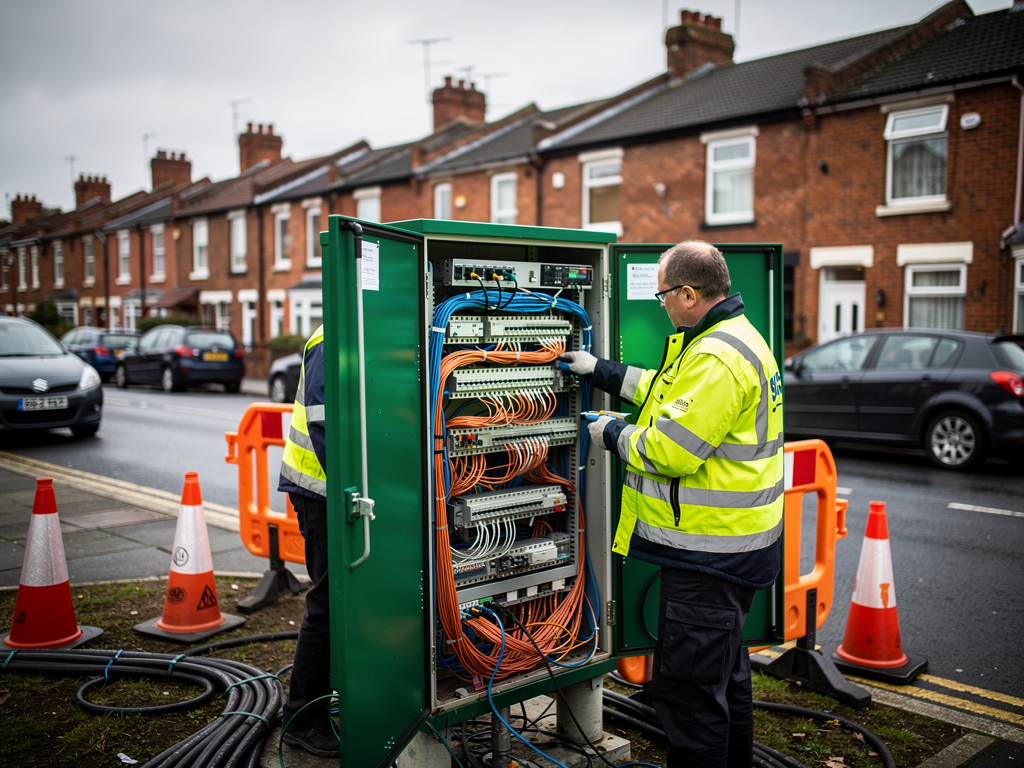
The Openreach Network Rearrangement: A Seismic Shift for UK Telecoms
The telecommunications landscape in the UK is undergoing a significant transformation, driven by the ambitious Openreach network rearrangement. This initiative represents one of the most substantial overhauls in the history of the nation’s digital infrastructure, fundamentally altering how broadband services are delivered to millions of premises. Understanding the implications of this Openreach network rearrangement is crucial for communication providers, businesses, and consumers alike, as it promises to unlock new levels of connectivity while presenting considerable challenges. The move away from traditional copper networks towards a fully fibre-based system is not merely an upgrade; it’s a complete reimagining of the UK’s digital backbone. This transition is pivotal for future-proofing the country’s connectivity, supporting the growing demand for high-speed internet, and enabling the next wave of digital innovation. As Openreach, the UK’s digital network company, progresses with this extensive project, stakeholders must prepare for a period of change, adaptation, and ultimately, enhanced digital capability.
For decades, the copper network has served as the backbone of UK telecommunications, enabling voice calls and basic broadband. However, its limitations in terms of speed, reliability, and capacity have become increasingly apparent in the face of soaring data demands driven by streaming, cloud computing, and the Internet of Things (IoT). The Openreach network rearrangement is designed to address these shortcomings head-on by migrating the entire network to Fibre-to-the-Premises (FTTP) technology. This means running full fibre optic cables directly to homes and businesses, offering significantly faster speeds, greater bandwidth, and improved resilience compared to the older copper infrastructure. The scale of this undertaking is immense, involving the deployment of hundreds of thousands of kilometres of fibre optic cable and the decommissioning of the legacy copper network. Consequently, every player in the UK telecom sector needs to grasp the strategic importance and operational impact of these changes to navigate the transition successfully.
Key Takeaways
- The Openreach network rearrangement involves migrating the UK from copper to full fibre (FTTP) broadband.
- This transition aims to significantly increase internet speeds, reliability, and capacity for consumers and businesses.
- Communication providers must adapt their services and infrastructure to the new fibre-only network.
- The phased withdrawal of copper-based services (PSTN switch-off) requires proactive planning and customer communication.
- Opportunities exist for innovation and new service offerings built on the enhanced fibre network.
The Strategic Imperative: Why Rearrange the Network?
The primary driver behind the Openreach network rearrangement is the inherent limitation of the existing copper network. While it served the UK admirably for over a century, copper technology is reaching its physical and technological limits. It is susceptible to environmental factors like weather and electrical interference, leading to inconsistent performance and higher maintenance costs. Furthermore, the speeds achievable over copper, even with technologies like G.fast, pale in comparison to the potential of full fibre. Fibre optic cables, on the other hand, transmit data using light signals, offering virtually unlimited bandwidth, speeds reaching gigabits per second, and exceptional reliability and durability. This upgrade is essential to keep the UK competitive on a global digital stage, supporting economic growth and enabling advancements in areas like remote working, telemedicine, and smart city technologies.
Moreover, the ongoing maintenance and operation of two parallel networks – the legacy copper system and the new fibre infrastructure – incur significant costs and operational complexities. Consolidating onto a single, modern fibre network streamlines Openreach’s operations, reduces energy consumption, and allows for greater focus on innovation and service enhancement. The strategic decision to accelerate the FTTP rollout and eventually retire the copper network is a proactive move to address future connectivity demands, which are projected to grow exponentially. As more services become reliant on robust internet connectivity, ensuring a future-proof network is not just a matter of convenience but of national economic and social importance.
Key Components of the Openreach Network Rearrangement
At the heart of the Openreach network rearrangement is the commitment to deploy Fibre-to-the-Premises (FTTP) to the vast majority of UK homes and businesses. This means replacing the existing copper lines that run from local telephone exchanges to customer premises with fibre optic cables. The process involves significant civil engineering work, including digging trenches, laying new ducts, and installing fibre cables, often requiring coordination with local authorities and other utility providers. Openreach is systematically identifying areas for upgrade, prioritising locations based on various factors including network readiness and potential demand. This phased approach allows for efficient resource allocation and minimises disruption where possible, though the scale of the project inevitably means some level of inconvenience during the installation phases.
The PSTN Switch-Off: A Critical Milestone
A crucial element of this rearrangement is the planned withdrawal of the Public Switched Telephone Network (PSTN) by the end of 2025. The PSTN, which relies on copper lines for voice calls, is being retired as more consumers and businesses migrate to voice services delivered over the internet protocol (IP) network, often bundled with their broadband. This means that traditional landline phone services will cease to function as they do today. Customers will need to transition to an IP-based voice solution, which typically runs over the new fibre network. Openreach is actively communicating with communication providers (CPs) about this deadline, urging them to move their customers off copper-based voice services well in advance. Failure to do so could result in service disruption for customers who have not upgraded their voice solutions.
FTTP Deployment Strategy
Openreach’s FTTP deployment is a massive undertaking, aiming to reach millions of premises across the UK. Their strategy involves a combination of methods, including building new fibre lines where none existed, upgrading existing copper-enabled cabinets to fibre exchanges, and leveraging existing duct infrastructure where feasible. The company is investing billions of pounds into this rollout, working with a large network of engineers and contractors. The pace of deployment is accelerating, with targets set to reach a significant percentage of the UK by the mid-2020s. This extensive fibre build is not just about providing faster broadband; it’s about creating a future-ready network capable of supporting the evolving digital needs of the nation for decades to come.
Implications for Communication Providers (CPs)
The Openreach network rearrangement presents both significant challenges and substantial opportunities for Communication Providers (CPs) operating in the UK. Firstly, CPs must adapt their product portfolios and operational systems to cater exclusively to the fibre network. This involves retraining sales and support staff, updating billing systems, and developing new service offerings that leverage the capabilities of FTTP, such as higher speed tiers and enhanced reliability guarantees. The decommissioning of copper services means CPs need to proactively migrate their existing customer base to new voice and data solutions, a process that requires careful planning, clear customer communication, and effective support to avoid service gaps.
Furthermore, CPs will need to collaborate closely with Openreach throughout the transition. Understanding Openreach’s deployment schedules, the availability of new fibre products, and the timeline for copper cessation in specific areas is vital for effective business planning. Some CPs may face increased competition as the enhanced capabilities of fibre become more widely available, potentially leading to price pressures or a need to differentiate based on service quality and innovation. However, the move to fibre also opens up avenues for new revenue streams. CPs can offer premium services, advanced networking solutions for businesses, and tailored packages that take full advantage of the gigabit speeds and low latency that FTTP enables. The key for CPs lies in embracing the change, investing in the necessary adaptations, and focusing on delivering superior customer experiences over the new network.
Impact on Businesses and Consumers
For businesses, the transition to an all-fibre network facilitated by the Openreach network rearrangement is a game-changer. Enhanced connectivity means improved efficiency, greater productivity, and the ability to adopt advanced digital tools and cloud-based services more effectively. High-speed, reliable internet is no longer a luxury but a necessity for modern businesses, enabling seamless video conferencing, rapid data transfer, robust cybersecurity, and access to sophisticated SaaS applications. Businesses that upgrade to FTTP can expect reduced downtime, better performance for critical operations, and the capacity to support a growing number of connected devices and remote workers. This upgrade can be a significant competitive advantage, enabling businesses to innovate, expand their reach, and operate more efficiently in an increasingly digital economy.
Consumers will also experience profound benefits from the widespread availability of fibre. The days of buffering during peak hours or struggling with slow download speeds could become a distant memory. FTTP offers the capacity to support multiple users in a household simultaneously accessing high-bandwidth applications like 4K streaming, online gaming, and video calls without performance degradation. Furthermore, the enhanced reliability of fibre means fewer service interruptions, providing a more stable and dependable internet experience. As more services, from entertainment to education and healthcare (telemedicine), move online, the robust infrastructure provided by the Openreach network rearrangement ensures that consumers can fully participate in the digital world. The transition does require proactive engagement, particularly regarding voice services, to ensure a smooth move from copper-based phone lines.
Navigating the Transition: Challenges and Opportunities
The path to an all-fibre network is not without its hurdles. One of the primary challenges is the sheer scale and complexity of the physical deployment. Laying fibre optic cables to millions of premises requires extensive engineering work, often in densely populated urban areas and challenging rural terrains. This can lead to temporary disruptions, traffic management issues, and the need for careful planning and execution to minimise impact. The cost of this infrastructure upgrade is substantial, requiring significant investment from Openreach and potentially influencing wholesale pricing for CPs. Furthermore, ensuring that the entire country, including remote and hard-to-reach areas, benefits from this upgrade presents a logistical and economic challenge. Public and private sector collaboration will be essential to overcome these deployment obstacles.
Despite these challenges, the Openreach network rearrangement unlocks immense opportunities. For CPs, it’s a chance to innovate and offer next-generation services, potentially increasing customer loyalty and market share. For businesses, it’s an enabler of digital transformation, fostering growth and efficiency. For consumers, it means access to a superior internet experience that supports modern lifestyles and unlocks new possibilities in entertainment, education, and communication. Moreover, a nationwide fibre network is a fundamental building block for future technologies like 5G integration, advanced AI applications, and the expansion of the Internet of Things. The UK’s ability to harness these opportunities will depend on how effectively the industry and its customers adapt to and leverage the capabilities of the new fibre infrastructure.
“The move to full fibre is not just about faster speeds; it’s about building a network fit for the future, capable of supporting the UK’s digital ambitions for decades to come.” – Openreach Spokesperson
Preparing for the Future of Connectivity
The Openreach network rearrangement signifies a fundamental shift towards a digital future powered by fibre optics. The implications for UK telecoms are far-reaching, demanding adaptation, investment, and strategic planning from all stakeholders. Communication providers must embrace the fibre-only future, updating their offerings and ensuring their customers are well-informed about the transition, especially concerning the PSTN switch-off. Businesses need to view this network upgrade not as a cost, but as a critical investment in their future competitiveness and operational resilience. Consumers stand to gain significantly from the enhanced speeds, reliability, and capacity that fibre provides, enabling a richer digital life.
As Openreach continues its extensive rollout and the copper network is gradually retired, proactive engagement is key. Understanding the timelines, the available products, and the benefits of fibre will empower organisations and individuals to make informed decisions. The successful transition to a full-fibre network is vital for the UK’s economic prosperity and its position in the global digital economy. Are you prepared for the future of connectivity, and have you considered how the Openreach network rearrangement will impact your services or operations?
Frequently Asked Questions
What is the Openreach network rearrangement?
The Openreach network rearrangement refers to the company’s strategic initiative to replace the UK’s legacy copper telecommunications network with a nationwide Fibre-to-the-Premises (FTTP) infrastructure. This involves running fibre optic cables directly to homes and businesses, offering significantly higher speeds and reliability than copper-based services.
When is the PSTN switch-off happening?
Openreach is planning to fully withdraw the Public Switched Telephone Network (PSTN) services, which rely on copper lines for traditional voice calls, by the end of 2025. This means that all voice services will need to operate over an IP network, typically delivered via fibre broadband.
How will the Openreach network rearrangement affect my internet speed?
The rearrangement is designed to significantly increase internet speeds for most users. By migrating to FTTP, you can expect access to much faster download and upload speeds, often reaching gigabits per second, compared to the limitations of older copper technologies. This will improve performance for streaming, gaming, remote working, and other data-intensive activities.
Do I need to do anything to prepare for the Openreach network rearrangement?
Yes, particularly if you still rely on a traditional copper-based landline for voice calls. You will need to transition to an IP-based voice service before the PSTN switch-off deadline. Your communication provider will guide you on available options, which are often bundled with fibre broadband packages.
What are the benefits of FTTP over copper?
FTTP offers superior performance compared to copper. Key benefits include significantly higher speeds (both download and upload), greater bandwidth capacity to handle multiple devices and applications simultaneously, improved reliability and resilience against weather and interference, and lower latency, which is crucial for real-time applications like online gaming and video conferencing.
Will the Openreach network rearrangement increase my costs?
The cost implications can vary. While the wholesale cost of fibre services might differ from copper, the competitive market means CPs will offer various packages. Many find that the enhanced speeds and reliability of fibre justify the potential cost difference. Furthermore, consolidating services onto a single fibre line might simplify billing and reduce the need for separate voice and broadband packages.
Conclusion
The Openreach network rearrangement marks a pivotal moment for the UK’s digital infrastructure, transitioning the nation from its aging copper network to a future-proof, high-performance fibre optic system. This ambitious project, centred around the widespread deployment of Fibre-to-the-Premises (FTTP) and the eventual retirement of the PSTN, promises to unlock unprecedented levels of speed, reliability, and capacity for businesses and consumers alike. For communication providers, adapting to this new landscape is not just a necessity but an opportunity to innovate and enhance customer service. Understanding the nuances of this transition, particularly the timeline for the PSTN switch-off and the capabilities of the new fibre network, is paramount for navigating the changes successfully.
Embracing the Openreach network rearrangement means investing in a more robust, efficient, and competitive digital future for the UK. As the rollout progresses, proactive planning and clear communication will be essential to ensure a smooth transition for all. The benefits of a nationwide fibre network extend beyond faster internet speeds; they lay the foundation for economic growth, digital inclusion, and the adoption of next-generation technologies. Are you ready to embrace the full potential of fibre connectivity, and how do you plan to leverage the capabilities of the new Openreach network?