Micron’s $2.75B Gujarat Facility to Produce ‘Hundreds of Millions’ of AI Chips Annually
Micron’s $2.75B Gujarat Facility to Produce ‘Hundreds of Millions’ of AI Chips Annually
Source: ETTelecom – Micron Technology announced its Sanand, Gujarat facility will produce hundreds of millions of AI-ready chips annually, representing a $2.75 billion investment and India’s first world-class semiconductor assembly and test clean room featuring AI automation, real-time analytics, and advanced robotics.
Semiconductor Expansion Meets Global AI Demand
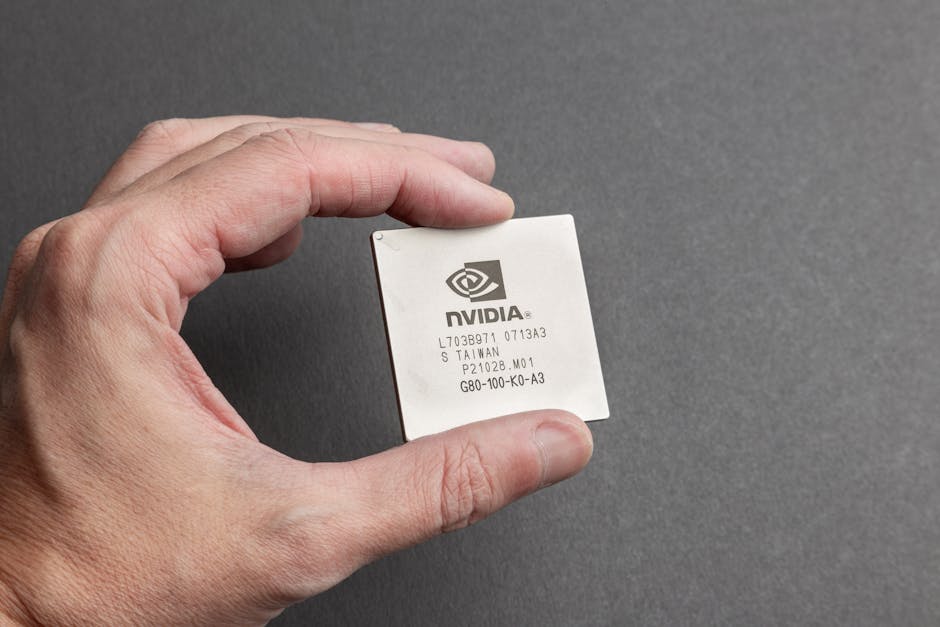
Micron Technology’s CEO Sanjay Mehrotra revealed that the company’s Sanand facility in Gujarat, India will produce “hundreds of millions of AI-ready chips annually” to meet growing global demand for artificial intelligence hardware. The $2.75 billion investment represents a strategic move to diversify semiconductor manufacturing beyond traditional hubs and capitalize on India’s emerging tech infrastructure.
The facility marks several significant firsts: India’s inaugural world-class semiconductor assembly and test clean room, Micron’s first advanced packaging facility outside traditional manufacturing regions, and a major commitment to smart manufacturing principles. The plant will specialize in assembling and testing memory chips specifically optimized for AI workloads, addressing critical supply chain gaps in the global AI hardware ecosystem.
According to industry analysts, this production capacity could represent 5-8% of global advanced packaging output for memory chips by 2027. The facility’s focus on AI-ready chips includes high-bandwidth memory (HBM) modules crucial for training large language models and specialized memory architectures for edge AI applications. This positions India as a potential alternative to China-dominated semiconductor assembly while strengthening Micron’s competitive position against Samsung and SK Hynix in the AI memory segment.
What This Means for AI Content Creators and Developers
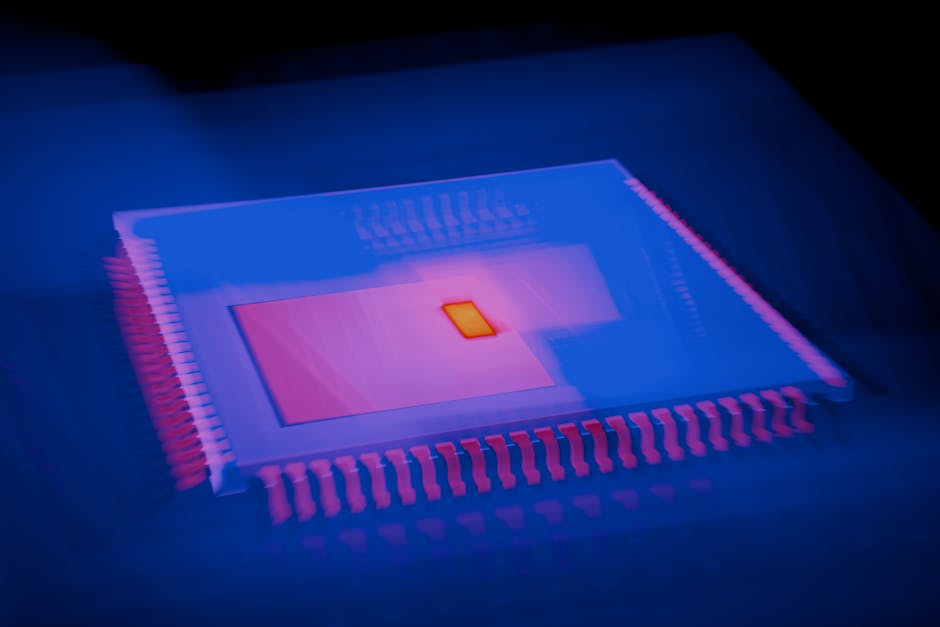
The expansion of AI chip production has direct implications for content creators and developers working with artificial intelligence:
Hardware Accessibility and Cost Trends: Increased production capacity typically drives down costs over 12-24 months. Content creators using AI tools for video generation, image creation, and text generation may see reduced cloud computing costs as more affordable AI hardware becomes available. Localized production in India could create regional pricing advantages for Asian markets.
Performance Improvements for AI Workloads: Micron’s specialized AI-ready chips are optimized for parallel processing and high-speed data transfer—exactly what AI content generation tools require. This could translate to faster rendering times for AI-generated videos, quicker iterations for image generation, and more responsive large language models for content creators.
Infrastructure Implications: The facility’s emphasis on AI automation and robotics in manufacturing suggests Micron is preparing for scalable, efficient production. For content creators, this means more reliable supply chains for the hardware that powers their AI tools, potentially reducing service disruptions during peak demand periods.
Practical Implications for AI-Driven Content Operations

While semiconductor manufacturing might seem distant from content creation, several practical considerations emerge:
1. Timing Your Hardware Investments: Content teams planning hardware upgrades for AI workloads should monitor pricing trends through 2026-2027. The increased production capacity coming online could create favorable purchasing windows for workstations with specialized AI acceleration.
2. Cloud Service Provider Strategies: Major cloud providers (AWS, Google Cloud, Azure) will likely incorporate these chips into their AI-optimized instances. Content creators should evaluate their cloud provider’s hardware roadmap when planning compute-intensive projects like video generation or large-scale content automation.
3. Regional Content Opportunities: With significant semiconductor investment in India, content creators focusing on tech manufacturing, supply chain analysis, or AI hardware trends now have a major development to cover. This creates opportunities for specialized content about semiconductor manufacturing, AI infrastructure, and India’s emerging tech ecosystem.
4. Tool Development Implications: AI content tool developers can anticipate more affordable, specialized hardware for testing and deployment. This could accelerate development of more sophisticated AI content generation features that currently face hardware limitations.
Strategic Content Creation Opportunities

The Micron announcement creates multiple content angles for AI-focused creators:
Educational Content: Explain the relationship between semiconductor manufacturing and AI content creation. Create tutorials showing how different types of memory architecture affect AI tool performance.
Industry Analysis: Track how this production capacity affects AI tool pricing and availability. Create comparison content showing performance improvements in AI content generation tools as new hardware becomes available.
Practical Guides: Develop content helping creators optimize their workflows based on expected hardware improvements. This could include preparing for faster rendering times, planning larger-scale AI content projects, or budgeting for hardware upgrades.
Regional Focus: Cover India’s growing role in AI infrastructure. This creates opportunities for localized content about tech manufacturing, job creation in the semiconductor sector, and India’s position in the global AI supply chain.
The Bottom Line for Content Professionals

Micron’s $2.75 billion investment in AI chip production represents more than just semiconductor manufacturing news—it signals coming improvements in the infrastructure that powers every AI content tool. While the facility won’t reach full production until 2026-2027, forward-looking content creators should:
- Monitor hardware pricing trends for potential cost savings
- Plan content projects that leverage expected performance improvements
- Develop expertise in AI hardware-content creation relationships
- Create educational content explaining these technical developments to broader audiences
- Consider regional opportunities created by India’s emerging semiconductor ecosystem
The convergence of semiconductor manufacturing and AI content creation creates new opportunities for technically-informed creators who can bridge these traditionally separate domains. As AI hardware becomes more specialized and accessible, content creation workflows will become faster, more sophisticated, and potentially more affordable—fundamental shifts that forward-thinking creators should prepare for today.