How Africa Can Turn Meta’s 2Africa Cable into Digital Prosperity
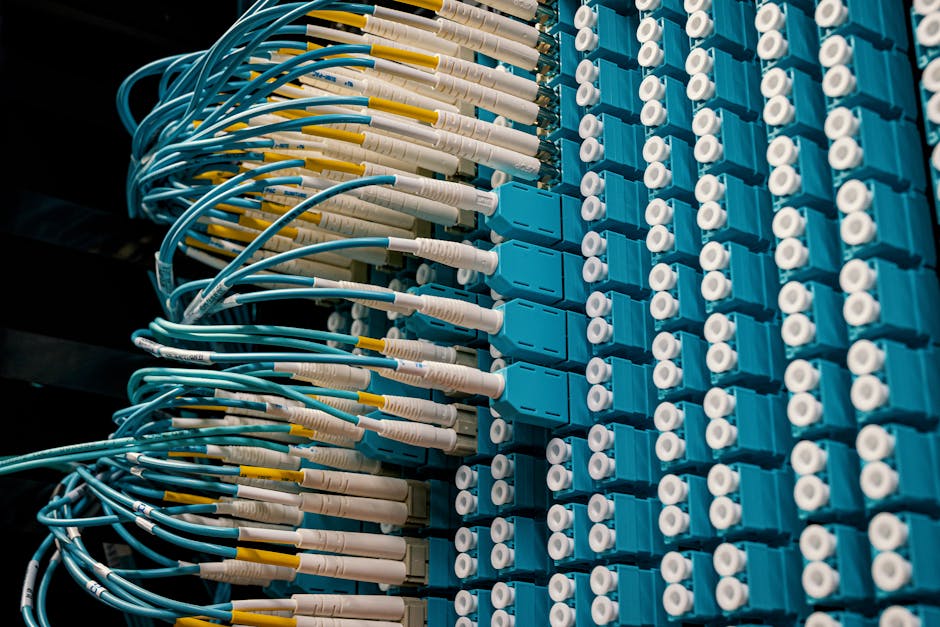
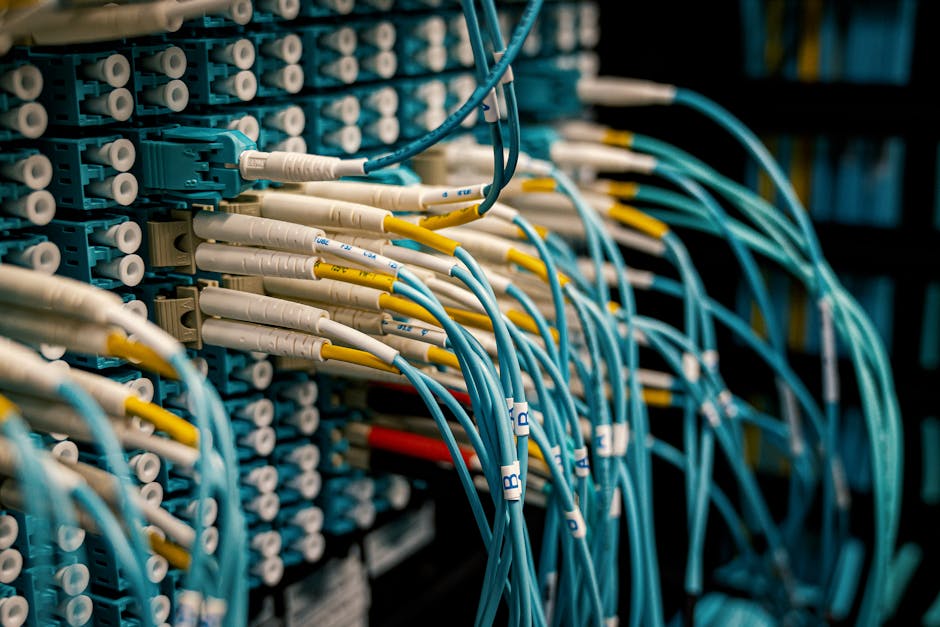
Meta’s 2Africa subsea cable – the world’s longest at 45,000 km – has now completed its core infrastructure, paving the way for transformative digital connectivity across Africa. According to African Business, the completion of the African loop in late 2025 marks a pivotal milestone. But analysts warn that leveraging this infrastructure to achieve meaningful digital inclusion and economic gains will require significant strides in local ecosystems.
Key Facts About the 2Africa Cable
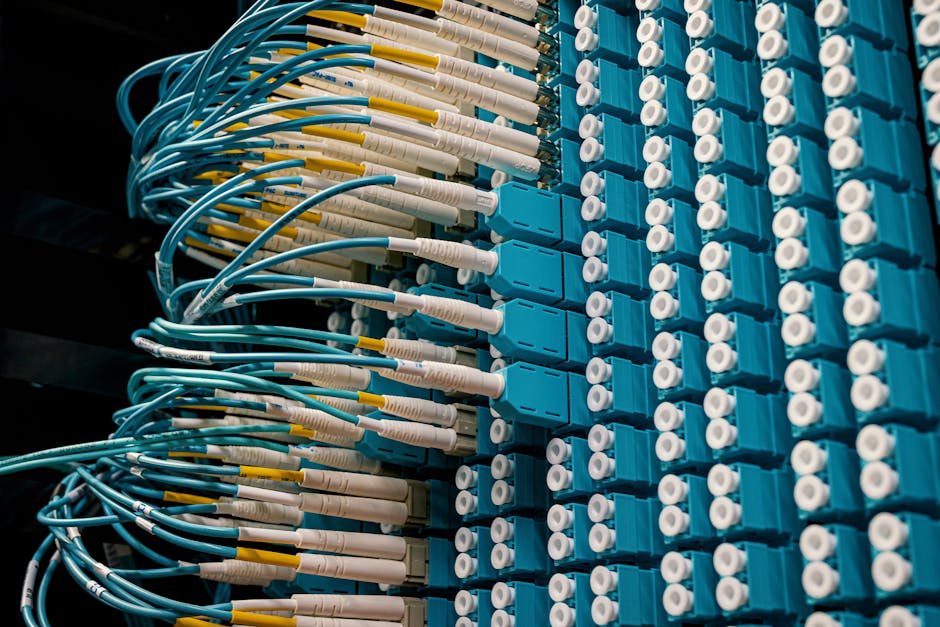
2Africa, led by Meta alongside telecom giants such as MTN, Vodafone, and Orange, stands out for its unprecedented scale, connecting 33 nations across Africa, Europe, and Asia. The Mediterranean segment alone offers a staggering capacity of 180 terabits per second (Tbps), surpassing the total capacity of all existing subsea cables serving Africa.
However, as Mohammed Soliman of the Middle East Institute highlights, the challenge begins after the cable reaches land. While infrastructure like 2Africa reduces data transit costs, it doesn’t automatically ensure local data processing or monetization. Without robust peering markets, data centers, and infrastructure to terminate data locally, much of the economic potential risks being captured elsewhere.
What’s at Stake for Africa?

African countries stand at a crossroads in converting their geographic advantage as cable landing zones into sustainable digital economies. Despite hosting critical connectivity infrastructure, African states process less than 1% of global data center traffic, while accounting for 18% of the global population. Countries like Egypt, a key hub for global internet traffic via the Red Sea-Mediterranean corridor, generated $140 million in wholesale subsea revenue in early 2025. Yet, these figures pale in comparison to what robust local ecosystems could bring if infrastructure were leveraged for value-added services like cloud storage and AI-driven applications.
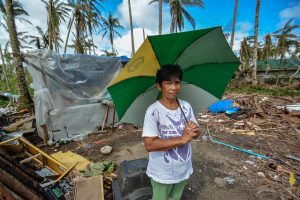
Fola Adeleke, a leader in AI governance, cautioned that insufficient investment in internet penetration, electricity, and competitive backhaul networks has minimized the broader impact of such projects. The Sub-Saharan usage gap illustrates this conundrum: 60% of the population (700 million people) lives within mobile broadband coverage yet remains unconnected due to high costs and limited affordability of smartphones and data plans.
Building a Stronger Digital Ecosystem

To fully capitalize on the 2Africa cable, African governments and regional bodies need policies and partnerships that prioritize local data termination. Open-access frameworks for backbone connectivity, investments in energy-reliable data centers, and competitive peering markets will be critical.
Some progress is visible: South Africa leads the continent in operational data centers (56 facilities), followed by Kenya (19), Nigeria (17), and Egypt (13). Initiatives like Nigeria’s IXPN (Internet Exchange Point of Nigeria) and public-private collaborations are creating hubs for local traffic termination.
However, as Adeleke asserts, small markets must take a coordinated approach to achieve digital sovereignty. Regional mechanisms, led by the African Union, could harmonize regulations, mobilize funding, and provide cybersecurity frameworks to safeguard against geopolitical risks, particularly when global tech giants dominate infrastructure investment.
Outlook: Will Africa Lead or Lag in the Digital Race?

2Africa’s technical completion is a milestone, but the real work lies in overcoming barriers like affordability, lack of electricity, and underdeveloped data infrastructure. Lowering smartphone import costs, establishing scalable payment plans, and regulating competitive broadband pricing will be vital to expanding digital inclusion. Without these measures, experts warn, Africa could remain a “digital corridor” rather than becoming a fully-fledged economic platform.
The question for policymakers remains: How can Africa translate its connectivity investments into sustainable, inclusive economic growth?