Solving Africa’s Water Crisis: Lessons from Morocco’s Innovative Approach
According to African Business, Africa’s growing water challenges are becoming more critical, with climate change driving severe droughts and increasing pressures on already scarce resources. Morocco’s groundbreaking investments and strategies in water infrastructure provide valuable lessons for other parts of Africa grappling with the crisis.
Morocco’s Pioneering Water Management Investments
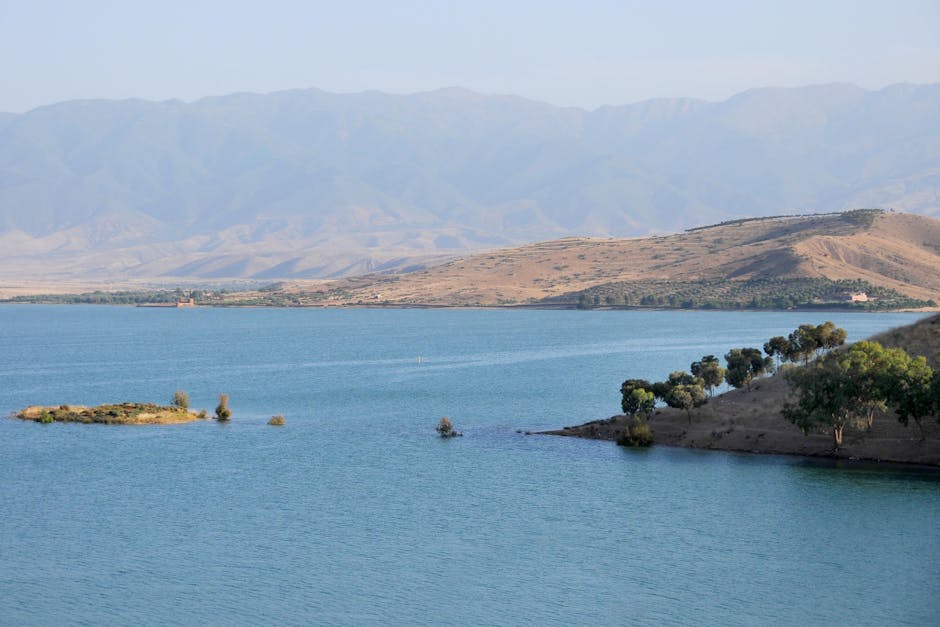
Morocco has positioned itself as a leader in water innovation through projects such as the Marrakesh Wastewater Treatment facility, which has operated with a $1.5 billion investment since 2011. This facility repurposes wastewater for irrigating public spaces, gardens, and agriculture while supporting industrial applications like phosphate production.
Additionally, Morocco has made significant strides in desalination, expanding its capacity from 35 million cubic meters in 2021 to a targeted 1,700 million cubic meters by 2030—aiming to meet 60% of its drinking water demand. Powered by renewable energy sources like solar and wind, these projects cut desalination costs by 50%, making the process both eco-friendly and financially viable at just $0.40 per cubic meter.
Other standout innovations include constructing ‘water highways,’ designed to transfer water from surplus regions to drought-prone areas, such as Rabat and Casablanca. By 2035, Morocco aims to complete a 400-kilometer highway network to ensure water stability across its territory.
Market Context and Implications for Africa

Water scarcity is a mounting challenge across sub-Saharan Africa, where inadequate infrastructure and diminishing donor funding hinder progress. The Financial Times reports that over 200 million Africans face water insecurity, with countries like Somalia and Kenya witnessing devastating impacts on agriculture and food production due to persistent droughts.
The stakes are high—failure to invest in water infrastructure impacts health, agriculture, and energy production, directly slowing regional economies. Morocco’s multi-pronged model—combining innovative desalination technology, recycled water use, and robust infrastructure—offers a roadmap for resource-limited nations to secure water stability despite decreasing international financial aid.
Expert Analysis: Why It Matters

Industry experts emphasize the need for adopting blended financing models, leveraging public-private partnerships (PPPs) and localized solutions. Youssef Brouziyne, representative for the International Water Management Institute, highlights how Morocco’s regulatory environment encourages private investments, inspiring confidence among foreign and domestic investors alike.
On the flip side, megaprojects like large dams come with challenges, including high water evaporation rates in hot climates. For instance, over 10 billion cubic meters evaporate annually from Lake Nasser in Egypt. These drawbacks stress the importance of focusing not just on supply, but also on managing water demand effectively.
Experts suggest incentivizing industries like agriculture—which consumes over 70% of Africa’s water—to adopt sustainable practices. For example, Morocco is pioneering mobile desalination units to meet seasonal demands, providing agility amidst varying water needs.
What Lies Ahead

Morocco’s successes underscore the urgency for African governments to prioritize water infrastructure in national development plans. Solutions combining technology, renewable energy, and data-driven strategies can yield substantial economic and social dividends.
As climate change continues reshaping water resources, replication of Morocco’s water strategies could transform access across Africa. Will other nations follow Morocco’s lead in rethinking how they source, manage, and finance water infrastructure?