AI and IMT-2030: The Transformative Future of Telecom Networks

Artificial Intelligence (AI) is dramatically reshaping industries worldwide, and the telecom sector is no exception. As we transition into the era of IMT-2030 and 6G, AI is moving from being a mere optimization tool to becoming a native and foundational element of network architecture. The integration of AI into telecom promises to not only enhance operational efficiencies but also open up new opportunities for innovation, revenue generation, and transformative user experiences.
The Current Role of AI in Telecom

Pexels
Historically, AI has been employed by telecom operators to streamline operations and, controversially, reduce workforces. While this strategy has been cost-effective, it hasn’t significantly improved the sector’s fortunes or addressed deeper market challenges. Today, AI is primarily used for optimizing existing networks, but its potential is far greater. The advent of generative AI and the increasing demands for more robust network infrastructure highlight the urgency for telecoms to adapt to evolving technological requirements. Without the necessary advancements in fiber optics, wireless broadband, and satellite networks, operators may struggle to meet the escalating data traffic that AI systems generate.
6G and AI: A Synergistic Revolution

Pexels
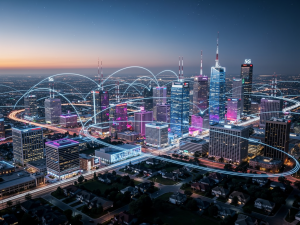
The development of 6G, officially referred to as IMT-2030, represents a monumental shift towards truly AI-native networks. Unlike 5G, where AI was an auxiliary component, 6G aims to embed AI directly into the network’s core. This integration will foster self-organizing, autonomous networks that can intelligently manage resources, optimize performance in real-time, and provide a seamless experience for end-users. With AI technologies at its core, IMT-2030 networks will support revolutionary applications such as real-time augmented and virtual reality (AR/VR), digital twins, cooperative robotics, and immersive communication experiences.
One of the standout components of IMT-2030 is its new AI-native air interface, which leverages machine learning for critical functions like channel estimation, beam management, and interference handling. This allows for responsive, data-driven operations that go beyond traditional algorithm-based systems in 5G. At the Radio Access Network (RAN) level, AI will enable self-optimizing capabilities, distributed learning, and enhanced fault management, drastically improving operational efficiency and reliability.
The Emerging Role of Networks as AI Service Providers

Pexels
Another innovative aspect of IMT-2030 is its ability to offer AI-as-a-service capabilities. Telecom networks will no longer just provide connectivity but also act as platforms for computing, inference, and model hosting. This shift transforms networks into distributed systems capable of supporting low-latency, energy-efficient AI workloads at the edge. These capabilities are crucial for applications requiring real-time data processing, such as autonomous vehicles, industrial IoT, and smart cities.
Furthermore, the integration of AI and sensing within networks enables a new paradigm called “Intelligence of Everything.” By fusing multi-dimensional sensing data with AI, telecoms can deliver context-aware services that enhance industrial automation, healthcare, XR applications, and even environmental monitoring. These advancements underline the telecom sector’s critical role in driving the next wave of digital innovation.
Conclusion: AI as the Future of Telecom

Pexels
As AI continues to evolve, its role in telecom will deepen, underpinning the design, operation, and services of next-generation networks. From optimizing current systems to enabling groundbreaking use cases, AI is poised to redefine the telecom landscape as a key driver of the IMT-2030 vision. The integration of AI into 6G networks not only ensures enhanced performance and reliability but also positions telecom operators as central to the advancements in AI-driven technologies.
Ultimately, by embracing AI-native architectures and preparing for the deployment of IMT-2030, telecoms can unlock unparalleled opportunities for growth, innovation, and global connectivity.