How AI-RAN and O-RAN are Transforming Energy Efficiency in Telecoms

According to Telecoms Tech News, the convergence of Artificial Intelligence in Radio Access Networks (AI-RAN) with principles of Open RAN (O-RAN) is paving the way for tangible energy and spectral efficiency gains in the telecom sector. As operators grapple with stagnating revenues and increasing network complexity, this shift is driving innovation in operational cost reduction through AI-powered automation.
How AI-RAN is Driving Immediate Efficiency Gains

AI-RAN is revolutionizing the telecom landscape by addressing one of its most pressing challenges — energy consumption. Industry leaders like Red Hat and Ericsson have presented measurable improvements. Fatih Nahr, Distinguished Chief Architect at Red Hat, highlighted trials that have demonstrated 10% to 15% power savings per radio station. In live network scenarios, Ericsson, in collaboration with Bell Canada, reported a 20% improvement in downlink throughput and a 10% increase in spectral efficiency, showcasing the real-world potential of AI-assisted systems.
These power and capacity gains directly translate to enormous operational expenditure (OPEX) savings for network operators, making a strong case for implementing AI capabilities across existing infrastructure. With radio networks being some of the largest energy consumers in telecom, scaling these solutions nationwide can lead to significant financial and environmental benefits.
O-RAN Synergy and Market Implications

The growing adoption of O-RAN principles, emphasizing openness and disaggregation, further empowers AI-RAN’s capabilities. A recent Heavy Reading survey revealed that 30% of operators already see AI and O-RAN as closely linked, with this percentage rising to 47% for those planning deployments by 2025. This indicates that the telecom industry at large is aligning around these integrated, scalable solutions.
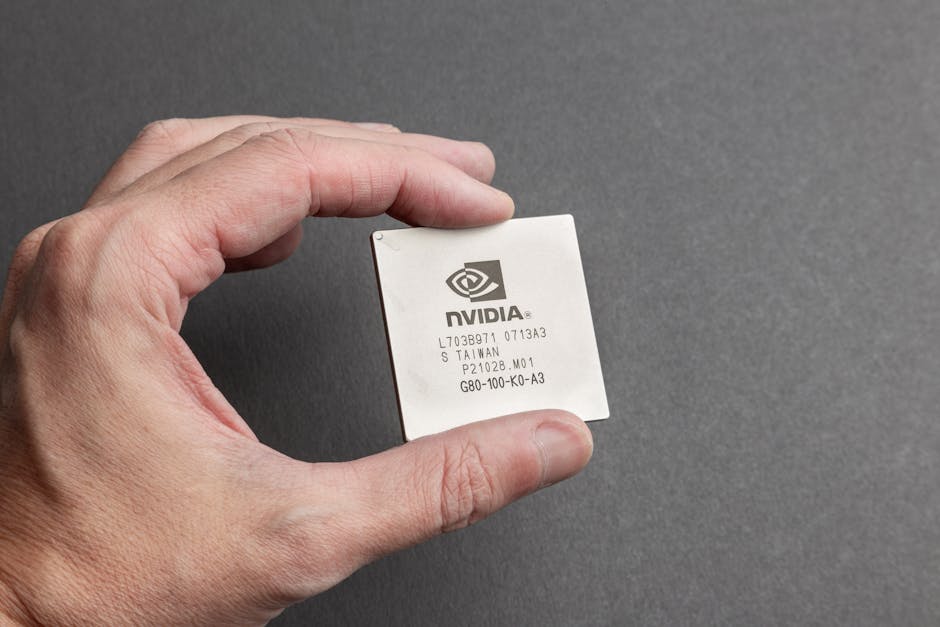
However, the shift introduces challenges for competitors clinging to traditional, proprietary architectures. Proprietary systems tied to legacy vendors face declining relevance as operators prioritize interoperability and cost-efficiency. Industry players like NVIDIA are also entering the fray, offering lightweight GPU-powered solutions such as their ‘ArcPro’ platform to align with stringent telecom power and cost constraints, potentially disrupting the ecosystem of traditional network equipment providers.
What Lies Ahead: Expert Analysis and the Road to 6G

Looking toward the future, AI-RAN is expected to serve as a critical foundation for the eventual transition to 6G networks. Fatih Nahr suggests that while the technology shows immense promise, full network autonomy remains a distant prospect. “Even hyperscalers like AWS and Google haven’t achieved full autonomy,” Nahr remarked, implying that telco networks will continue to require human oversight for physical challenges like interference and weather variability.
Moreover, the integration of AI into network operations demands organizational changes. Experts emphasize embedding AI talent within RAN engineering teams rather than creating isolated Centers of Excellence. This approach fosters collaboration and ensures domain-specific AI models better cater to unique wireless environments.
As operators work toward building programmable, high-performance networks, they must also prepare for the cost and scalability requirements of next-generation technologies. Early investments in data pipelines, model refinement, and energy-saving technologies will separate market leaders from laggards in the race toward 6G.
Conclusion

AI-RAN and O-RAN are reshaping the telecom industry’s operational landscape, offering transformative opportunities for energy efficiency and network adaptability. As more operators adopt these integrated models, we’ll likely see accelerated advancements in network performance and sustainability, paving the way for the next era of connectivity.
What do you think the future holds for AI in telecommunications? Share your thoughts in the comments or reach out to industry experts to join the discussion.